

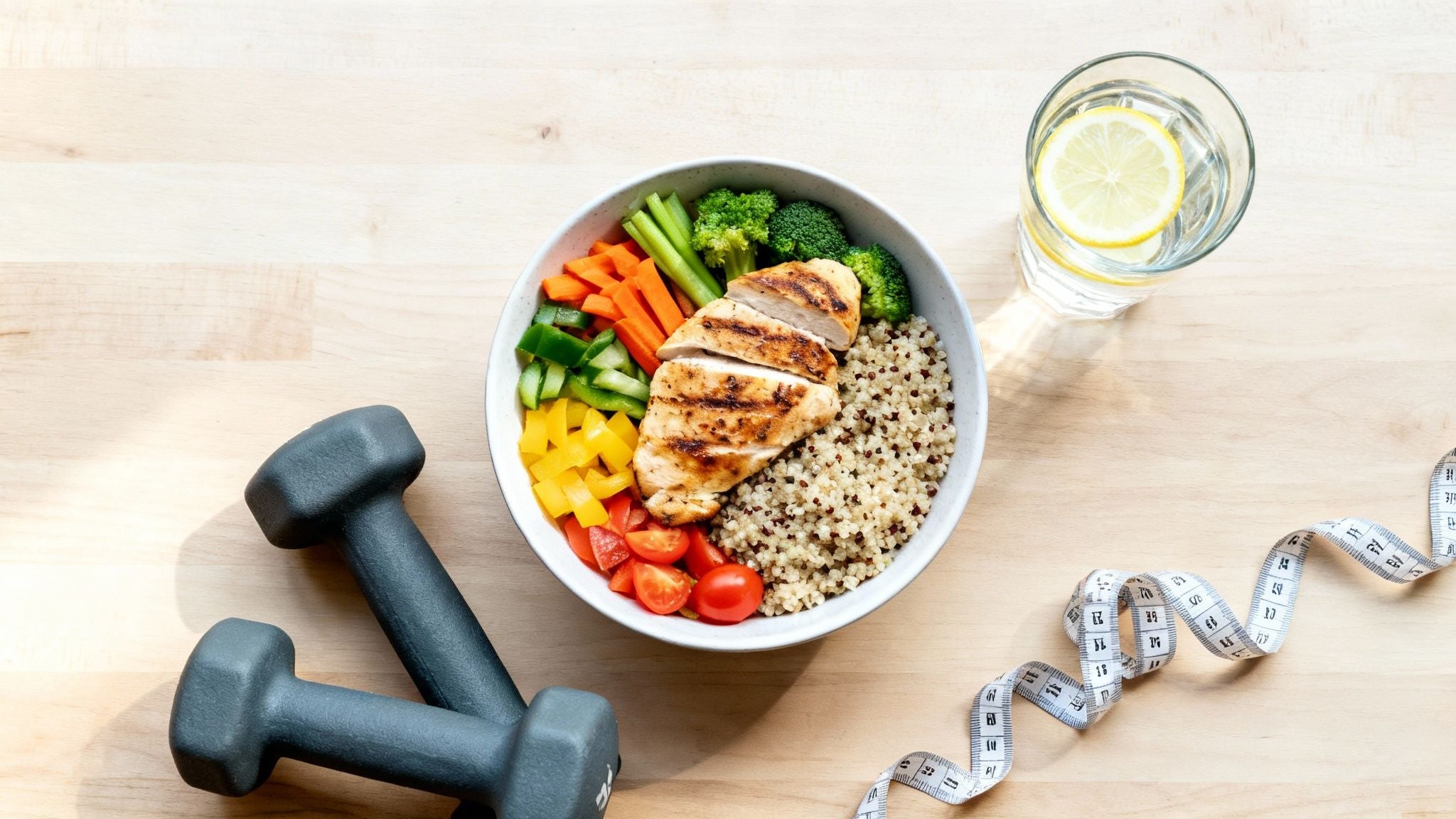
Sure, you want to lose weight fast. That's completely understandable. But the crucial point is to do it healthily. The golden rule that has proven itself time and again is: A daily caloric deficit of 500 to 750 calories leads to safe and realistic weight loss of about 0.5 to 1 kilogram per week.
Precisely this approach is your shield against the dreaded yo-yo effect and protects your body from nutritional deficiencies and the breakdown of valuable muscle mass.
What fast and healthy weight loss really means
Quick success on the scale is motivating, no question. But you also want to lose the weight permanently. This is where most people fail, and this is the crux of the matter that we need to solve: finding the balance between speed and sustainability.
The temptation of crash diets that promise you'll lose five kilos in a week is, of course, enormous. But these radical methods come at a high price. You force your body into an extreme state of deficiency, which not only provokes cravings but, above all, burns your hard-earned muscle mass. And these very muscles are your best friends when it comes to losing weight, because they burn calories even at rest.
Rapid weight loss at the very beginning often consists only of water, not fat. This is also why the pounds immediately return after a crash diet as soon as you eat normally again.
Realistic goals for sustainable success
A truly smart approach aims to specifically reduce body fat while protecting muscles. And that's precisely why a moderate but steady pace is incredibly important.
Medical guidelines, for example from the German Diabetes Association, recommend slow weight loss of about 0.5 to a maximum of 1 kilogram per week. This is the rate considered optimal for keeping metabolism going and staying on track long-term. Countless studies confirm this: people who lose weight slowly and steadily maintain their new weight much better.
Such an approach protects you from the typical pitfalls:
- The yo-yo effect: Radical diets slow down your metabolism. If you return to normal eating habits, you gain weight faster than ever before.
- Muscle loss: With too drastic a calorie deficit, your body gets energy not only from fat but also from muscles. However, less muscle means a lower basal metabolic rate. A vicious circle.
- Nutrient deficiencies: Extremely one-sided diets can lead to a lack of important vitamins and minerals. You feel tired, unfocused, and weak.
This table provides a realistic assessment of how much weight you can lose healthily per week, based on medical recommendations.
Realistic weekly weight loss goals
| Status | Recommended weekly weight loss | Long-term goal |
|---|---|---|
| Slightly overweight | 0.5 kg (approx. 2 kg per month) | Sustainable lifestyle adjustment |
| Significantly overweight | 0.5 - 1 kg (approx. 2-4 kg per month) | Reduction of health risks |
| Obesity | 1 kg (approx. 4 kg per month) | Significant improvement in health |
These numbers help you set realistic expectations and avoid disappointment.
Why patience is your greatest ally
It's all a matter of perspective. Don't see weight loss as a sprint, but as a marathon. It's about developing new, healthy habits that you can maintain for a lifetime.
Instead of focusing solely on the number on the scale, concentrate on the positive changes you feel: You have more energy in everyday life, your mood is better, and your favorite jeans fit more loosely again.
By adjusting your expectations realistically, you take the pressure off yourself and create a much more positive starting position. You learn to listen to your body's signals again and give it what it really needs. How much weight loss per week is healthy for you depends on many factors. You can find more about this in our detailed guide on weekly weight loss. This is the foundation for success that you not only see but also feel.
The basis for your success: the right calorie deficit
The be-all and end-all of losing weight is actually quite simple: You have to burn more energy than you consume. This is called a calorie deficit. It's the key that gets your body to tap into its fat reserves.
But the really tricky question isn't whether, but how big this deficit should be. If you push too hard, your metabolism will slow down, and cravings are pre-programmed. If you're too cautious, you'll see little progress and lose motivation.
The following graphic wonderfully illustrates where crash diets lead – and why a smart, sustainable approach is the only right one.

It is clear: seemingly quick success almost always ends in the yo-yo effect. Only a sensible, healthy approach leads to the goal in the long term.
First, understand: Your personal energy requirements
Your body is a machine that consumes energy around the clock, even when you're asleep. This consumption can be broken down into two important parts that you should know:
- Basal Metabolic Rate (BMR): This is the energy your body needs at complete rest to keep all your vital systems running – breathing, heartbeat, organs. Think of it as your body's idle state.
- Total Daily Energy Expenditure (TDEE): This is where movement comes in. TDEE is your BMR plus all the calories you burn through activities. From walking to the mailbox to typing at your desk to a sweaty workout at the gym.
Your total daily energy expenditure is the number that matters to us. We will later deduct the deficit from it.
Calculating your needs is that simple
There are various formulas for determining your basal metabolic rate. One of the most common and reliable is the Mifflin-St. Jeor formula, which considers gender, weight, height, and age. This is a great starting point.
Then, multiply this value by your personal activity level:
- Sedentary (office job, little movement): Factor 1.2
- Lightly active (sedentary job, but regular walks): Factor 1.375
- Moderately active (low-movement job, but 3-5 times sports per week): Factor 1.55
- Very active (physically demanding job plus a lot of sport): Factor 1.725
A practical example: Let's take a 30-year-old woman who is 1.70 m tall, weighs 75 kg, works in an office, and exercises moderately three times a week. Her basal metabolic rate is about 1,500 kcal. Multiplied by the activity factor 1.55, this results in a total daily energy expenditure of approximately 2,325 kcal.
This is the amount of energy she needs daily to maintain her current weight.
Setting your optimal deficit
Now it gets exciting. We'll set the deficit that will help you lose weight effectively without overtaxing your body. In our experience, a moderate deficit of 300 to 500 calories per day is the absolute sweet spot.
Let's stick with our example: With a total daily energy expenditure of 2,325 kcal and a target deficit of 500 kcal, our woman's daily calorie goal would be 1,825 kcal.
Why is this moderate approach so much better?
- Your body taps into fat reserves, not muscles.
- You protect your valuable muscle mass, which boosts your metabolism.
- You have enough energy for everyday life and your workouts.
- Cravings and constant exhaustion are avoided.
As you can see, it's not about starving, but about eating smart. You can find detailed step-by-step instructions on how to calculate your calorie deficit for weight loss in our comprehensive guide. With this number, you have a clear compass for your daily journey.
The right nutrients for fat burning and satiety
You've calculated your calorie deficit – that's half the battle. But to lose weight truly successfully and, most importantly, without constant hunger, we now need to look at the quality of those calories. Because one thing is clear: not all calories are equal.
The right balance of macronutrients – meaning proteins, fats, and carbohydrates – is the crucial lever. It determines whether you feel full and energized or constantly have to fight cravings. Even with the perfect deficit, the wrong distribution can completely stall your progress.
Proteins: your best friend for weight loss
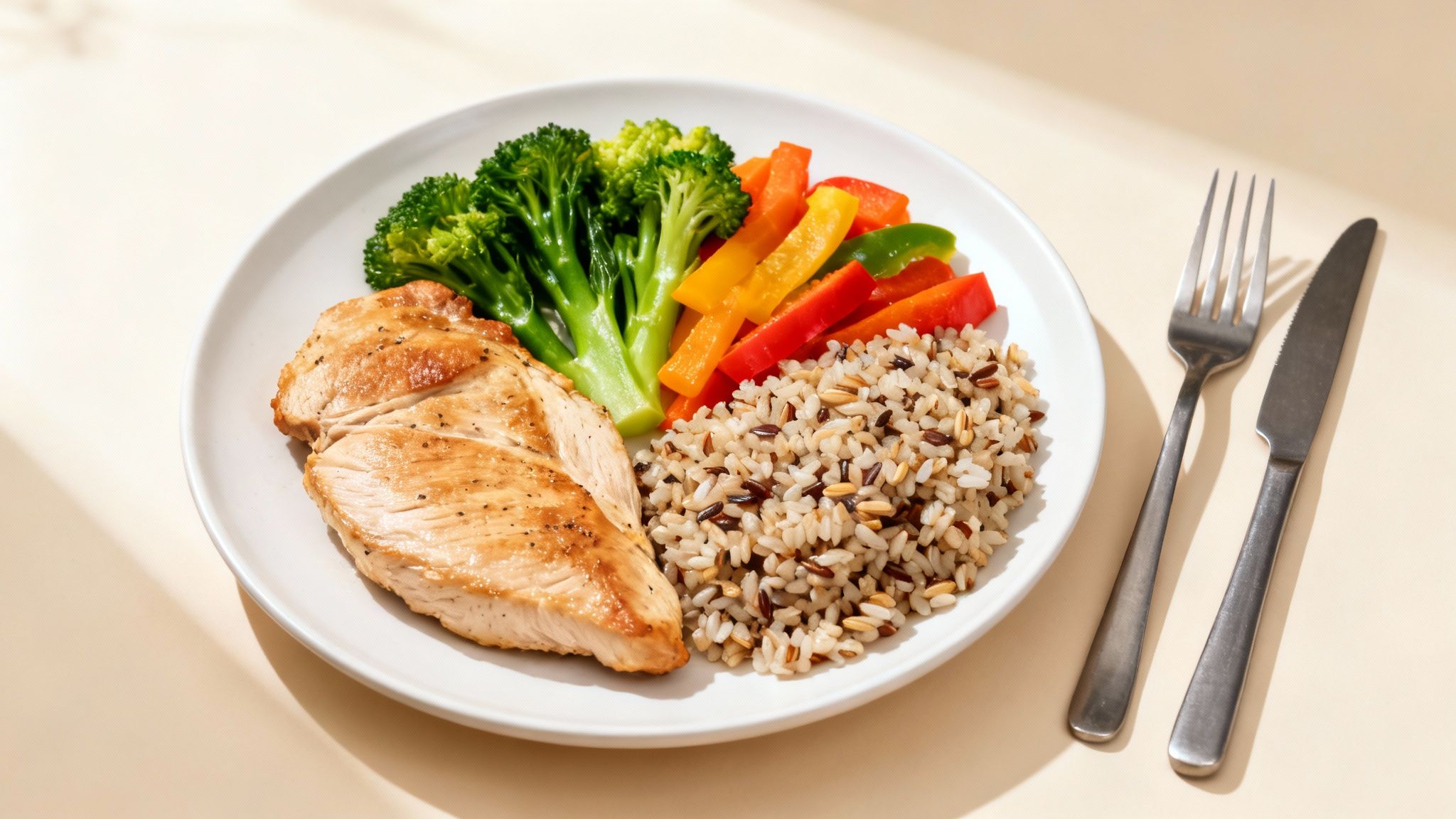
If there's one nutrient you should focus on when losing weight, it's protein. Proteins are true multi-talents and help you on several levels at once.
Think of proteins as the bodyguards for your muscles. When losing weight, you want to lose fat, not valuable muscle mass. Proteins protect them. Why is this so important? Muscles are your body's powerhouses and burn a good amount of calories even at rest.
Furthermore, proteins are by far the most satiating. A protein-rich meal keeps you full much longer than one consisting mainly of carbohydrates and fats. This is a huge advantage because it almost automatically leads you to eat less throughout the day.
And it gets even better: the so-called thermic effect of food (TEF). Your body uses significantly more energy to digest protein than it does for fats or carbohydrates. Up to 30% of the calories from proteins are virtually burned directly.
You can find great protein sources here:
- Lean meats like chicken or turkey breast
- Fish, especially salmon or tuna
- Eggs and dairy products like low-fat quark or cottage cheese
- Plant-based power from lentils, chickpeas, tofu, and beans
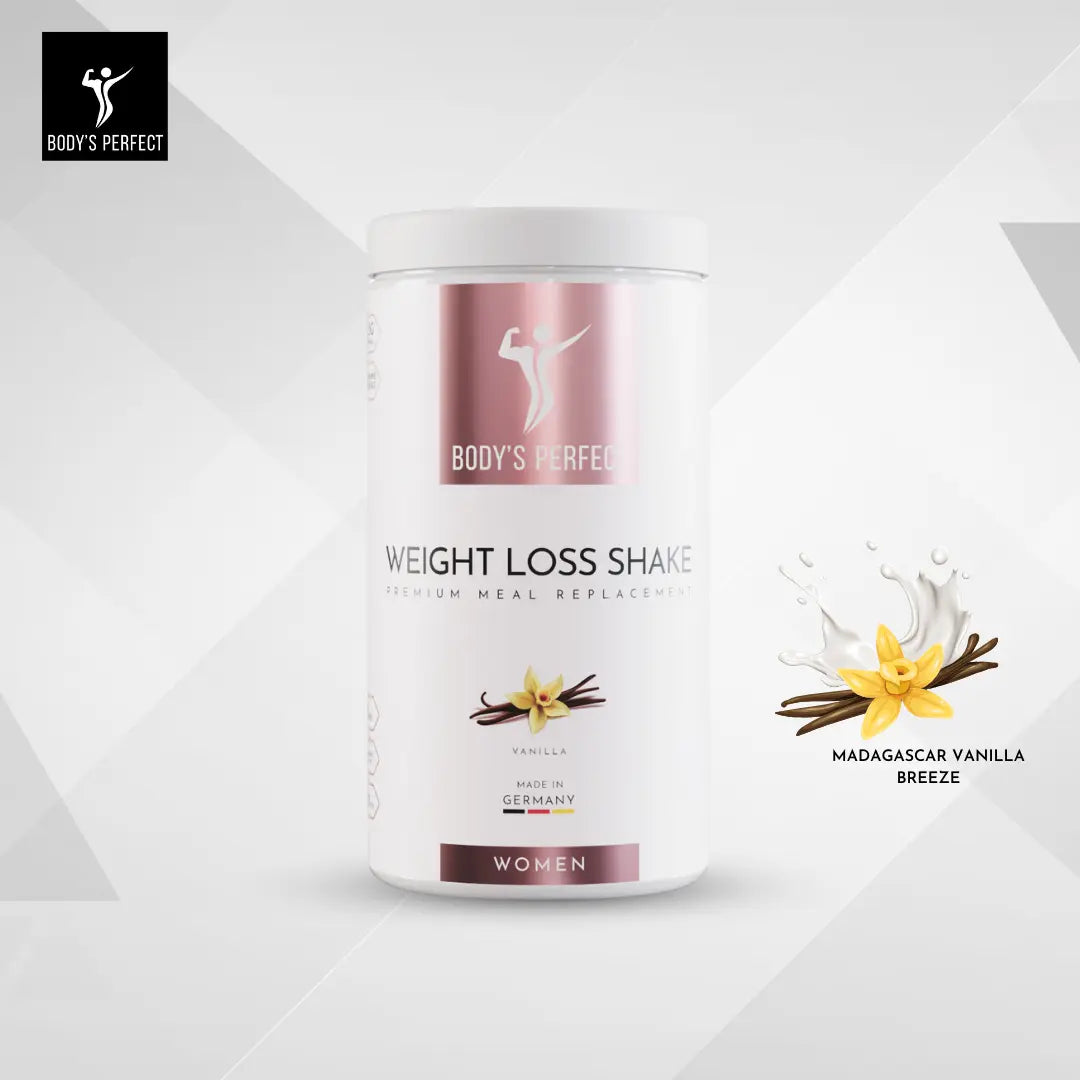
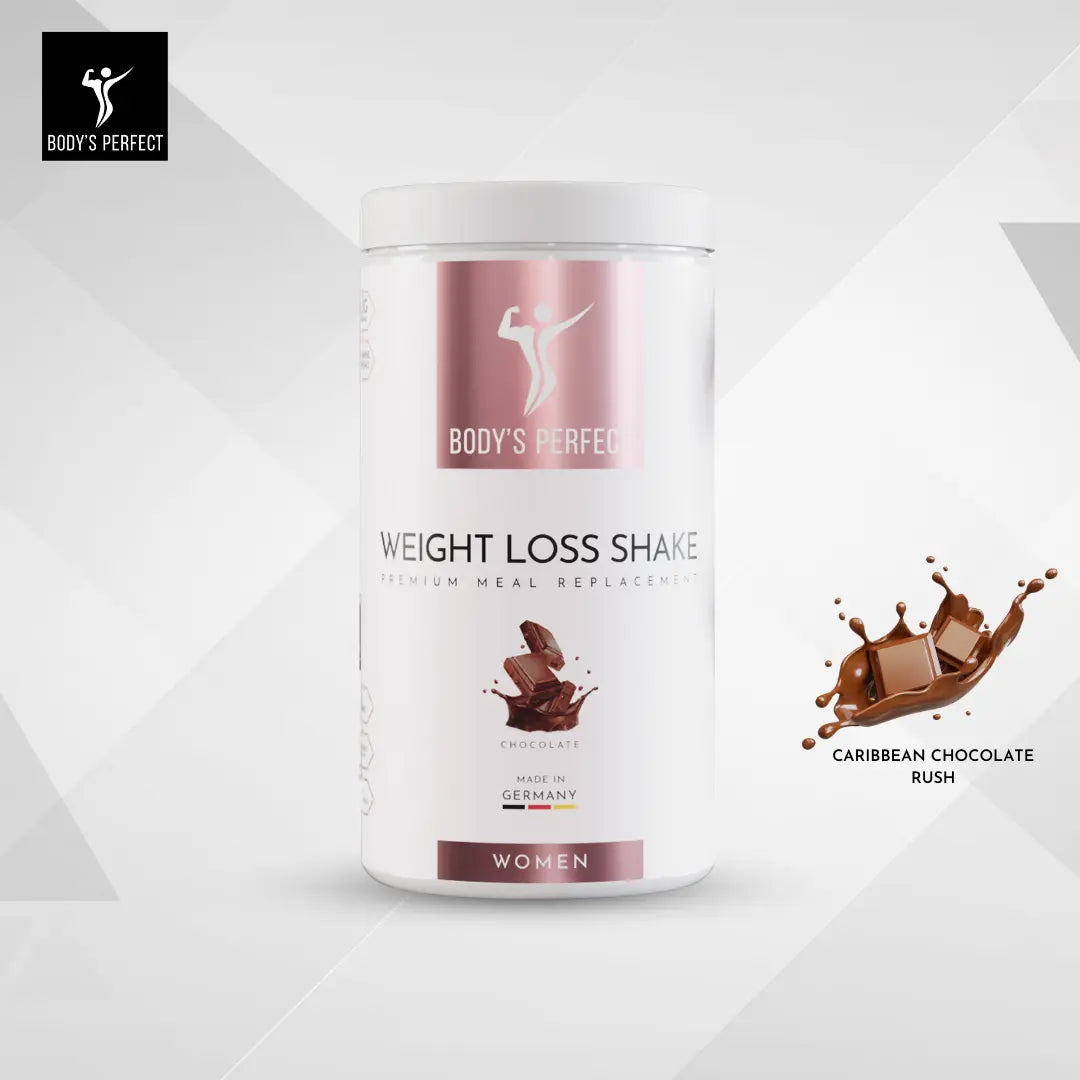
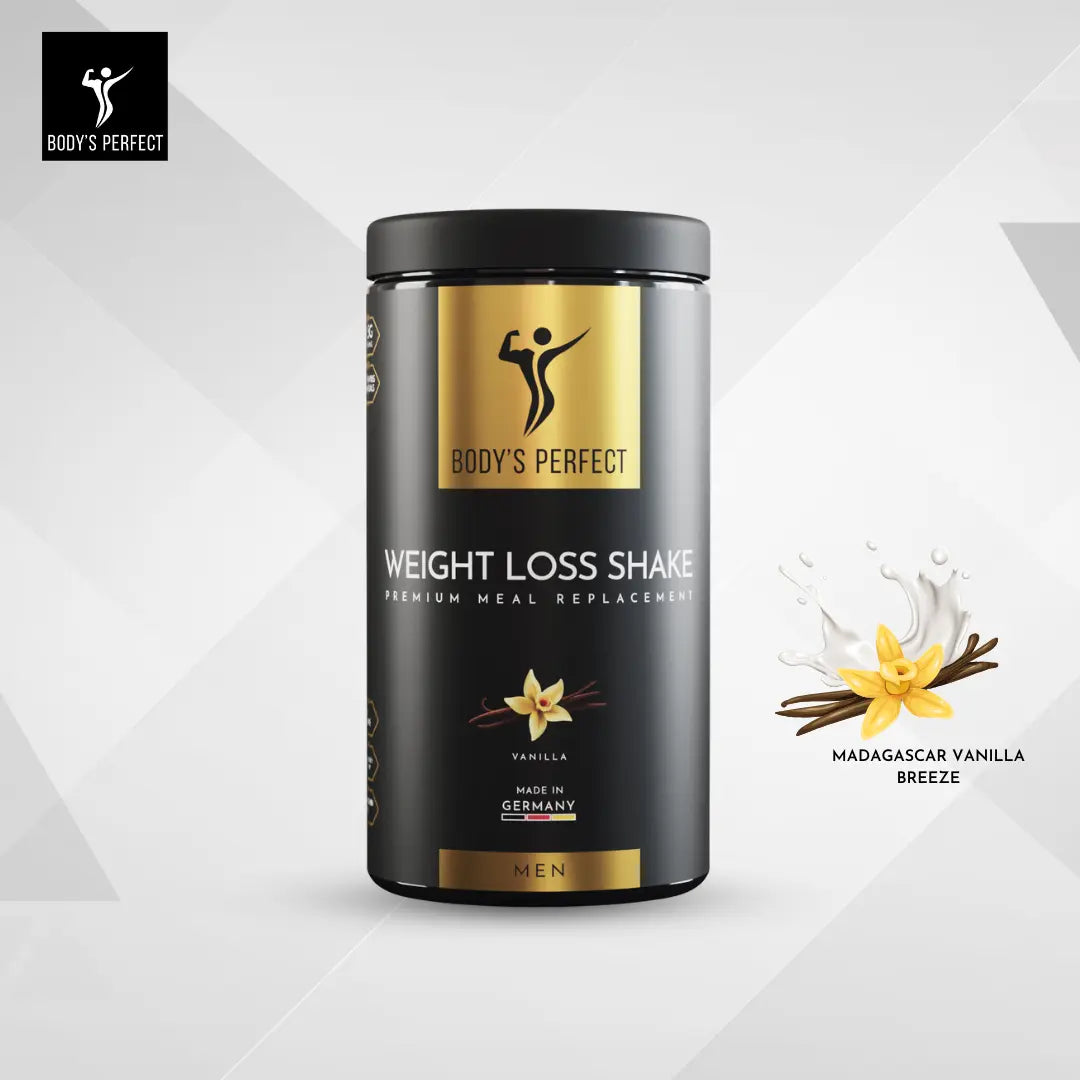
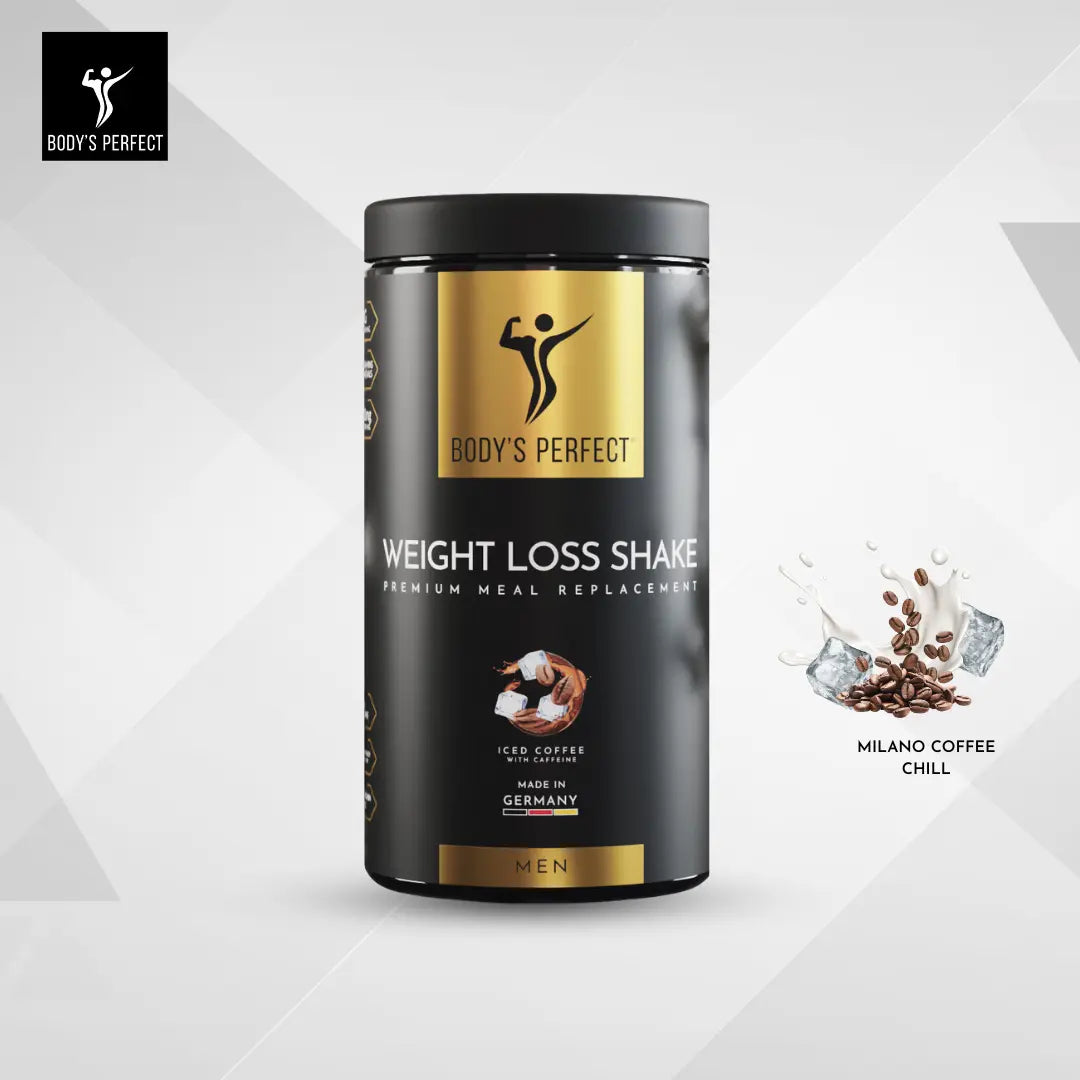
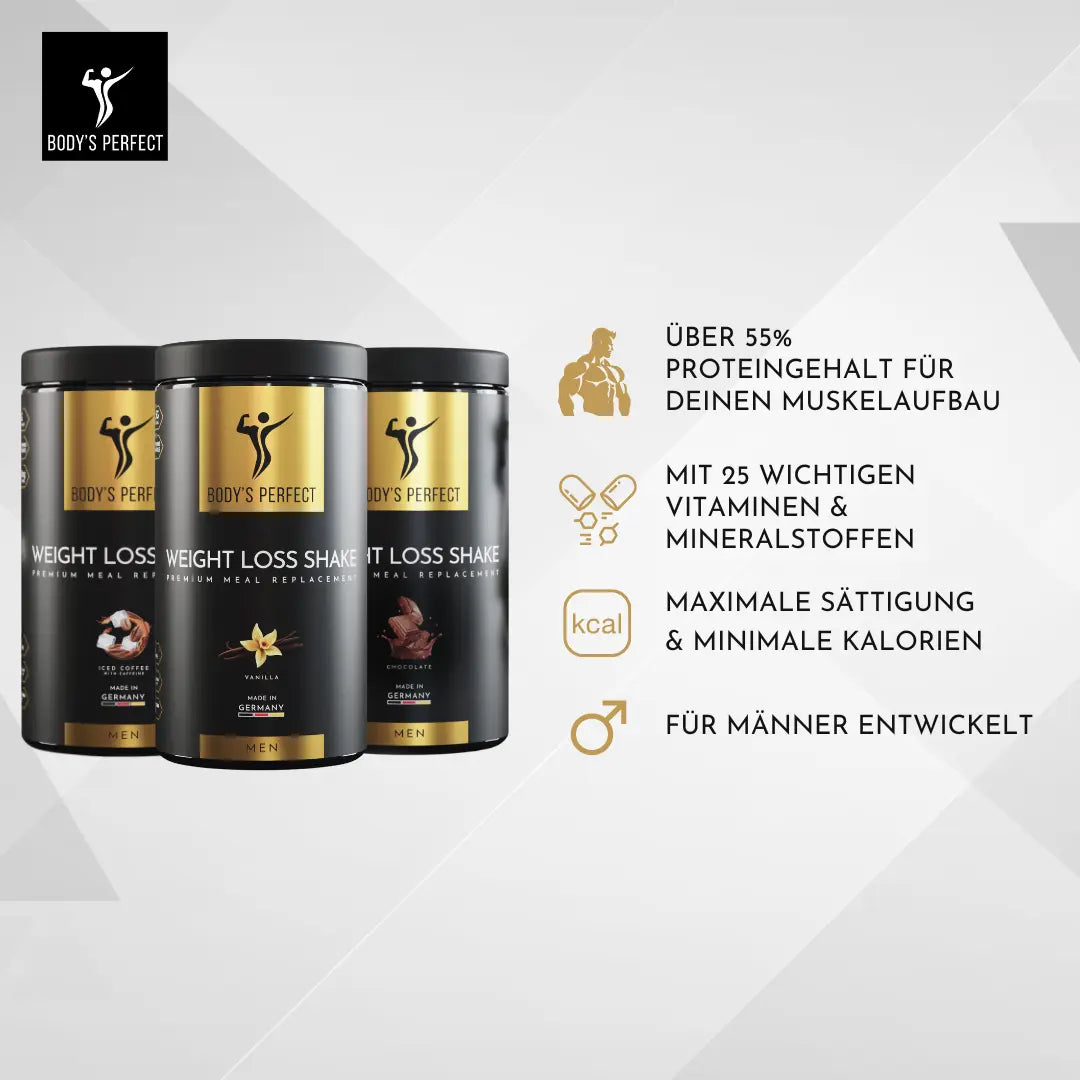
To be on the safe side, a high-quality protein shake from bodysperfect.com can also be a great support, for example after sports or as a quick snack. If you want to dive deeper, check out our article explaining how a protein-rich diet helps with weight loss and provides practical tips.
Smart use of fats and carbohydrates
Fat doesn't make you fat – that's one of the most persistent myths. Healthy fats are even vital for your hormone balance and the absorption of certain vitamins. The trick is to choose the right fats.
Focus on unsaturated fatty acids. You can find them in:
- Avocados
- Nuts and seeds (but enjoy in moderation!)
- Good olive oil
- Fatty fish like salmon
Carbohydrates are not the enemy either. They are the preferred fuel for your brain and muscles. However, avoid "empty" carbohydrates like sugar, white flour, and sweets. Instead, opt for the complex, fiber-rich variety.
Whole grains, oats, quinoa, potatoes, and legumes are your friends. They cause blood sugar levels to rise slowly, provide sustained energy, and prevent the nasty cravings that often lurk after a sugary meal.
An important mission: balanced nutrition in Germany
Dealing with the right nutrient distribution is more important than ever today. The figures in Germany speak a clear language: The number of people with overweight and obesity has risen sharply in recent decades.
According to data from the German Obesity Society, the proportion of obese adults climbed from 12.2% in 2003/2004 to 19.7% in 2023. Meanwhile, around two-thirds of men (67%) and more than half of women (53%) are overweight.
This development shows how crucial a good basic knowledge of nutrition is. It's not just about losing a few kilos in the short term, but about maintaining a healthy weight in the long term and simply feeling good all round.
Your 4-week roadmap for visible results
Now, let's get practical. Forget the abstract theory – this 4-week plan is your personal roadmap, combining nutrition and exercise to genuinely deliver results. But don't view it as a rigid rulebook; rather, consider it a flexible framework. You can and should adapt it to your daily routine, preferences, and current fitness level.
We'll approach this step by step. Each week has a clear focus, so you won't feel overwhelmed and can build sustainable habits instead of just enduring another diet.

To give you a quick overview, here's the structure we'll be following.
4-Week Weight Loss Plan Structure
An overview of the weekly nutrition and exercise focus to make progress clear and structured.
| Week | Nutrition Focus | Training Focus | Goal |
|---|---|---|---|
| Week 1 | Build a base, Protein & Hydration | Strength training fundamentals, light cardio | Establish healthy routines |
| Week 2 | Reduce sugar, increase vegetable variety | Slightly increase frequency and intensity | Boost metabolism |
| Week 3 | Timed carbohydrates, healthy fats | More intense training methods (supersets, HIIT) | Maximize fat burning |
| Week 4 | 80/20 rule, mindfulness | Consistency & variety | Solidify new habits |
This structure helps you stay on track without overwhelming you from the start. Let's dive right into the first week.
Week 1: Laying the foundation
The first week is about building a solid foundation. We want to integrate new, healthy routines into your daily life without it feeling like a chore. Remember: consistency beats perfection here.
Your nutrition focus:
- Eat mindfully: Take your time for meals, put your phone away. If you eat slowly and chew well, you'll be much better at recognizing when you're truly full.
- Protein with every meal: Incorporate a good protein source into every main meal. This could be an omelet for breakfast, a large salad with chicken breast for lunch, and perhaps salmon with roasted vegetables in the evening.
- Drink, drink, drink: Aim for at least 2 to 2.5 liters of water a day. We often confuse thirst with hunger – a glass of water can prevent cravings.
Your training focus:
Two strength training sessions and two light cardio sessions are the perfect start.
- Strength training (2x per week): Focus on major compound exercises that challenge the entire body. Squats, push-ups (feel free to start on a wall or your knees), and a rowing movement are ideal. The initial goal is simply to learn proper technique and get a feel for the muscles.
- Cardio (2x per week): Choose something you enjoy! 30 to 45 minutes of brisk walking, cycling, or swimming at a pace where you could still hold a conversation are great.
Week 2: Shifting into a higher gear
Great, week one is done! Your body has adjusted to the initial change. Now it's time to slightly increase the intensity to keep your metabolism revved up.
Your nutrition focus:
- Unmask sugar traps: Pay conscious attention to hidden sugar in processed foods, sauces, and especially drinks. Replace that afternoon chocolate bar with a handful of nuts, Greek yogurt, or vegetable sticks with hummus.
- More color on your plate: Try to eat at least two different types of vegetables with each meal. This not only provides vitamins and minerals but also fiber, which keeps you full for longer.
Meal prep can really save your daily routine during this phase. If you invest a few hours on the weekend and pre-cook, you're less likely to grab unhealthy snacks during the week just because time is short.
Your training focus:
We're stepping it up a notch, both in terms of frequency and intensity.
- Strength training (2-3x per week): Either add another exercise per muscle group or try to slightly increase the weight with proper technique.
- Cardio (3x per week): Extend one of your sessions to 60 minutes or incorporate a short interval training. For example: run briskly for 2 minutes, then walk for 2 minutes – and repeat this 5 to 6 times.
Week 3: Optimizing Fat Burning
Your body is now in a rhythm. This is the perfect time to incorporate some targeted strategies that will really boost fat burning and prevent any plateaus from the outset.
Your focus on nutrition:
- Smart Carbohydrate Timing: Eat most of your complex carbs (like whole-grain bread, potatoes, or oats) around your training sessions. This gives your body immediate energy for your workout and subsequent recovery.
- Good Fats are Your Friends: Consciously integrate healthy fat sources into your diet. Avocado, good olive oil, or a small handful of walnuts are not only delicious but also important for your hormone balance and long-lasting satiety.
If you need inspiration for your kitchen: In our guide, you'll find many simple and delicious meal prep recipes for weight loss that fit perfectly into this plan.
Your focus on training:
Now we challenge the body with new methods.
- Strength Training (3x per week): Try supersets. This means you combine two exercises for opposing muscle groups (e.g., squats and pull-ups) and do them directly one after another without a break. This saves time and boosts calorie expenditure.
- Cardio (3x per week): Incorporate a high-intensity interval training (HIIT) session. For example, 20 seconds of sprinting, followed by 40 seconds of easy rest. Repeat this for a total of 15 to 20 minutes. Short, but intense!
Week 4: Anchoring New Habits
The finish line is in sight! The last week is all about solidifying what you've learned. Your goal is to ensure that these new, healthy routines become a permanent part of your life. Use the week to look back: What worked great? What did you find difficult?
Your focus on nutrition:
- Live the 80/20 Rule: Eat 80% healthy and focus on nutrient-rich foods. But the remaining 20% is for enjoyment – a piece of cake with friends or a pizza on the weekend is absolutely fine. This makes it sustainable in the long run.
- Listen to your body: You've learned a lot in the past few weeks. Trust that. Adjust your portion sizes to your hunger and daily activity.
Your focus on training:
It's about consistency and, most importantly, enjoying it.
- Strength Training (2-3x per week): Choose the exercises and frequency that feel best for you. What can and do you want to maintain even after this fourth week?
- Cardio (2-3x per week): Ensure variety to stay motivated. One long, easy session, one moderate, and one short HIIT workout per week is a great mix.
This plan is a strong starting point. Observe how your body reacts, adapt it to your needs, and above all, be proud of every single step you take.
Why Sleep and Stress Management are Crucial
Your diet is on point and your training is going well? Perfect! But if you're wondering why the scales are still stuck, the answer often isn't on your plate or in the gym. A large part of your weight loss success happens when you're neither eating nor exercising – namely, at night in bed and in the quiet moments of your everyday life.
Sleep, stress, and adequate fluid intake are the silent heroes on your journey. You easily underestimate them, but they have a massive impact on your hormones, your metabolism, and your willpower. If you ignore these areas, you're unconsciously sabotaging yourself.
Lack of Sleep as a Secret Fattening Factor
Even a single night of too little sleep can throw your hormone system into disarray. Two hormones, in particular, that control your appetite get out of sync:
- Ghrelin: The so-called "hunger hormone." When you lack sleep, ghrelin levels shoot up, and you get really intense cravings.
- Leptin: This is your "satiety hormone." It signals to the brain that you are full. Its levels drop when you don't get enough sleep.
The result is a fatal mix: you're hungrier, feel full much later, and, most importantly, crave quick energy sources – i.e., fatty and sugary snacks.
To break this vicious cycle, 7 to 9 hours of good sleep per night are not a luxury but a biological necessity. This helps your body recover, build muscle, and keep your appetite hormones in balance.
If you want to delve deeper into the topic, our guide explains everything you need to know about melatonin and restful sleep.
How Stress Throws a Wrench in Your Plans
Chronic stress puts your body in a permanent state of alert. This leads to increased release of the stress hormone cortisol. In the past, this was vital for mobilizing energy for flight or fight. Today, consistently elevated cortisol levels cause real problems.
Cortisol not only promotes cravings for unhealthy things but also ensures that your body preferentially stores fat around your abdomen. This visceral fat is not only stubborn but also particularly hazardous to your health.
Simple but effective stress-busters for everyday life
| Technique | Implementation | Duration |
|---|---|---|
| Box Breathing | Inhale for 4 sec, hold for 4 sec, exhale for 4 sec, wait for 4 sec | 3–5 minutes |
| Short walk | A lap around the block, preferably through a park or in nature | 10–15 minutes |
| Conscious break | Away from your desk, stretch briefly, make a tea | 5 minutes |
You don't have to turn your whole life upside down. Even these small, conscious breaks can noticeably lower your cortisol levels and help you regain focus.
Water as the Engine of Your Metabolism
The last, but equally important factor is water. Your body needs it for almost all metabolic processes. Even slight dehydration can slow down your metabolism by up to 3%.
Water also helps you feel fuller. We often confuse thirst with hunger. A large glass of water before every meal is a simple trick to better control portion sizes and save unnecessary calories.
Practical tips to drink more:
- Start the day with a large glass of water right after getting up.
- Use a hydration app or simply set an alarm on your phone.
- Always have a water bottle in plain sight, whether at your desk or on the go.
- Pimp your water with lemon, mint, or cucumber slices if it tastes too bland.
If you give sleep, stress management, and drinking the same attention as your diet and exercise, you build an unbeatable foundation. These three pillars are your secret helpers, working in the background to ensure that your hard work shows on the scale and that you simply feel all-around well and energized.
Frequently Asked Questions
When you embark on your journey to your feel-good weight, questions inevitably arise. This is a good thing, as it shows you're taking it seriously. Here we've collected the most common questions and answer them directly to alleviate some typical uncertainties.
Can you really lose 5 kg healthily in one week?
The short, honest answer: No. A weight loss of 5 kg in just one week has nothing to do with healthy fat loss. What you see on the scale is almost exclusively lost water and – much worse – valuable muscle mass.
Realistic and healthy, as we discussed, is about 0.5 to 1 kg per week. Anything significantly above that virtually invites the yo-yo effect, can lead to nutrient deficiencies, and slows down your metabolism. Trust us, slow but steady progress will get you to your goal permanently.
Do I really have to completely cut out carbohydrates?
This is one of the most persistent myths out there. No, you don't have to completely cut out carbohydrates – for most people, it's neither necessary nor sustainable in the long term. Your body, and especially your brain, need carbohydrates as a preferred energy source.
It's not about abstinence, but about the right choice and timing.
- Focus on quality: Opt for complex carbohydrates. We're talking about whole-grain products, oats, legumes, and vegetables. They are packed with fiber, keep you feeling full for a long time, and your blood sugar levels remain stable.
- Reduce quantity of the "wrong" ones: What you should really reduce are simple carbohydrates. That means sugar in sweets and drinks, white flour products, and highly processed foods. They give you a short energy boost, but hardly any nutrients, and only provoke cravings.
So, a smart approach is much more effective than radical abstinence.
What do I do if my weight plateaus?
Almost everyone experiences this moment of frustration: you're giving it your all, but the scale just won't budge. However, such a weight plateau is completely normal and no reason to panic. Your body is smart – it has adapted to the lower calorie intake.
Before you throw in the towel, try these steps:
- Be honest with yourself: Take a very close look at your diet and exercise log again. Have small lapses perhaps crept in? An extra handful of nuts here, a splash of cream in your coffee there – it adds up quickly.
- Set new stimuli: Bring variety into your training. If you've only been jogging so far, incorporate a strength training session or a short HIIT workout. Your body needs new challenges to continue adapting.
- Check other factors: How are your sleep and stress levels? Both, as you now know, have a huge influence on your hormones and can literally block fat loss.
Stay patient. Often, it's just a small adjustment you need to make to get the engine running again.
A plateau is not a failure. It's a sign that your body has successfully responded to your previous efforts and is now ready for the next step.
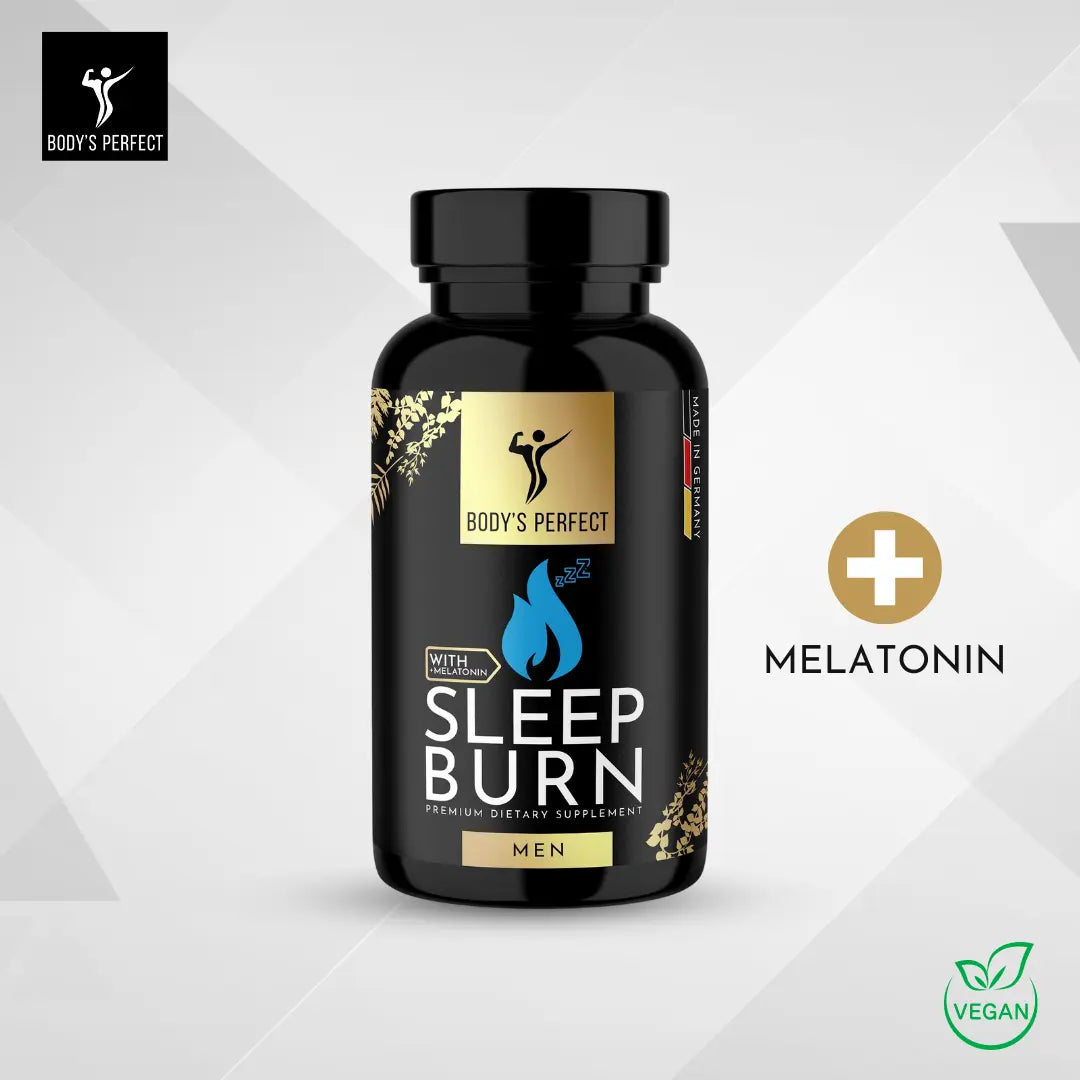
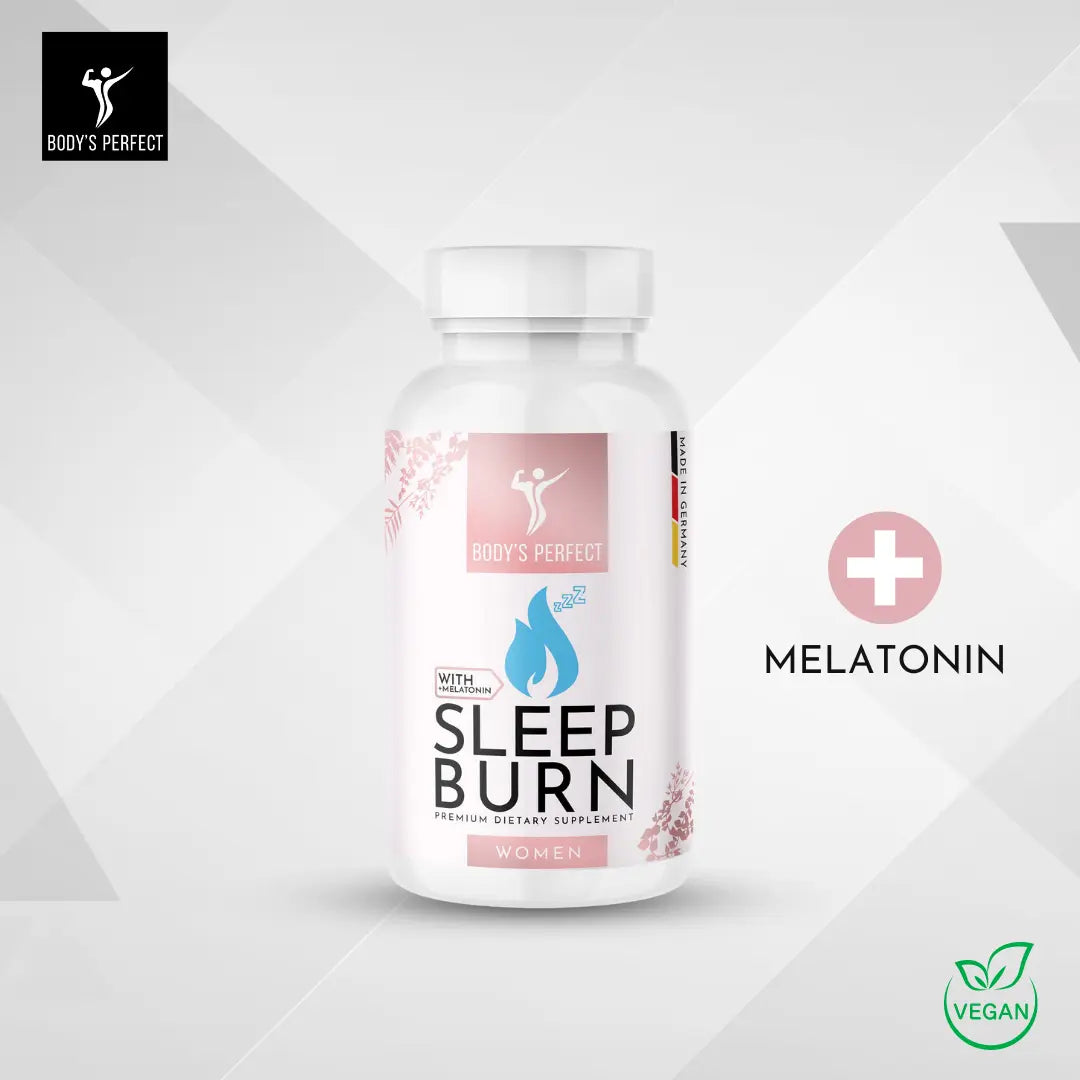
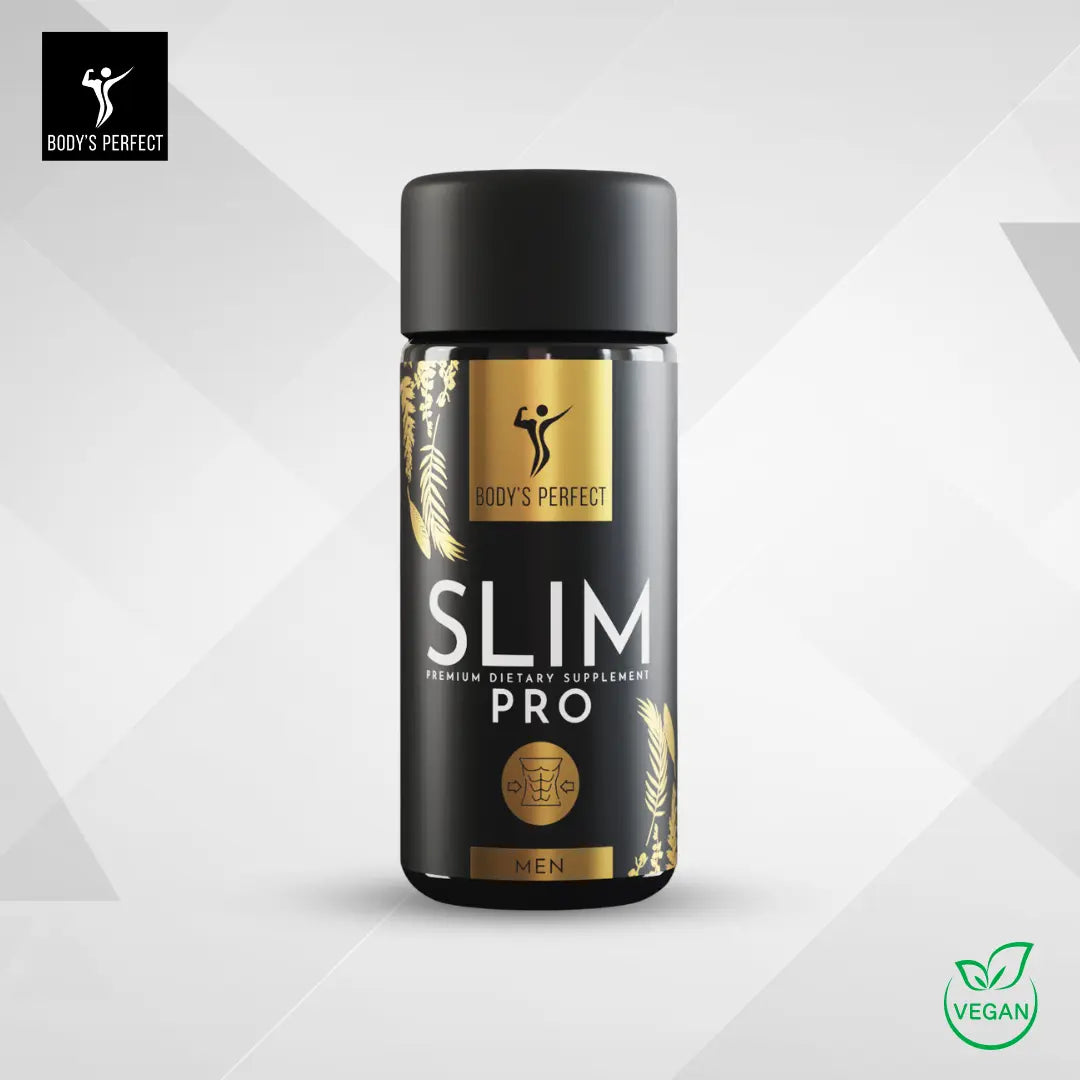
What role do bodysperfect.com supplements actually play?
Supplements are exactly what their name says: a supplement. They never replace a balanced diet and an active lifestyle, but they can meaningfully support your journey in the right places.
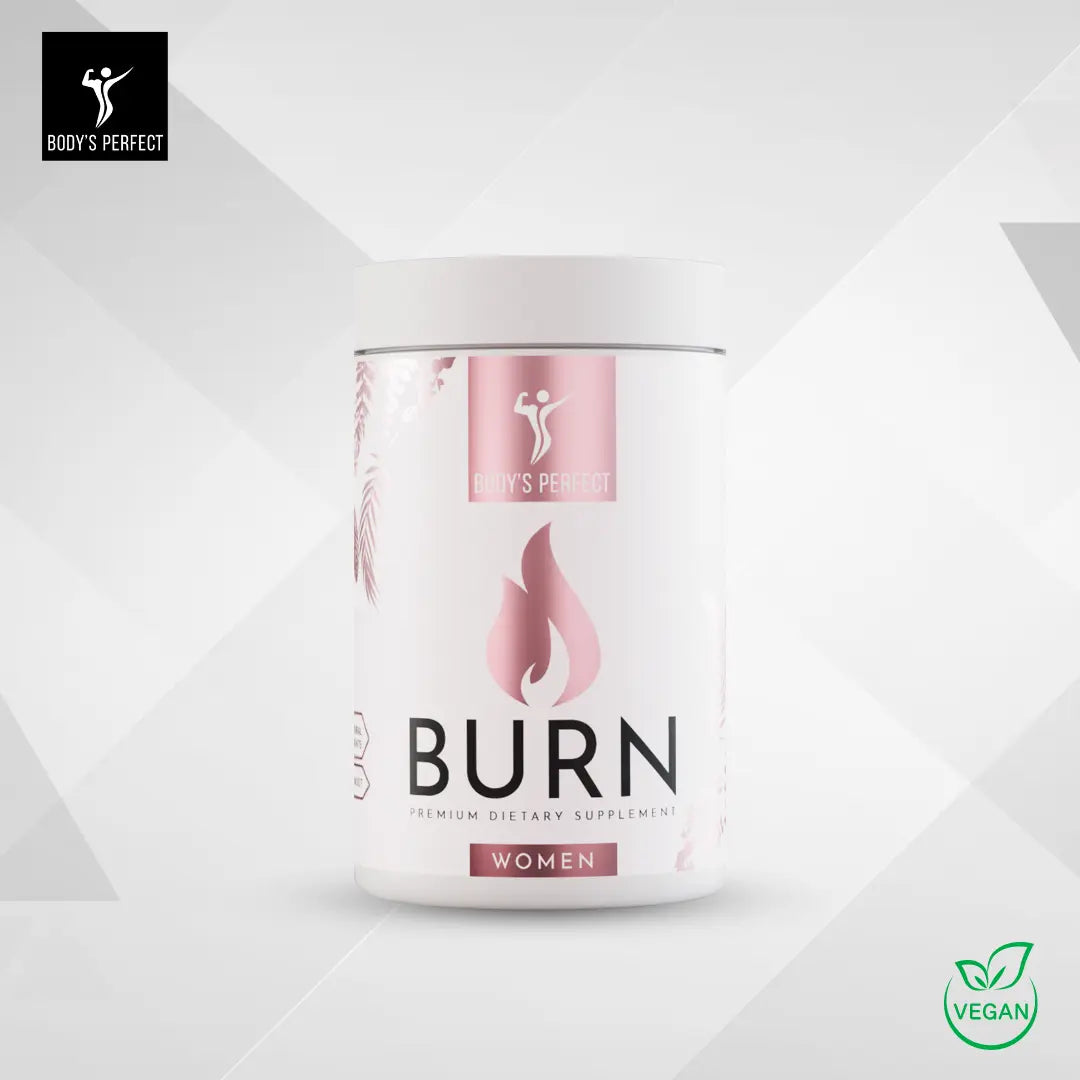
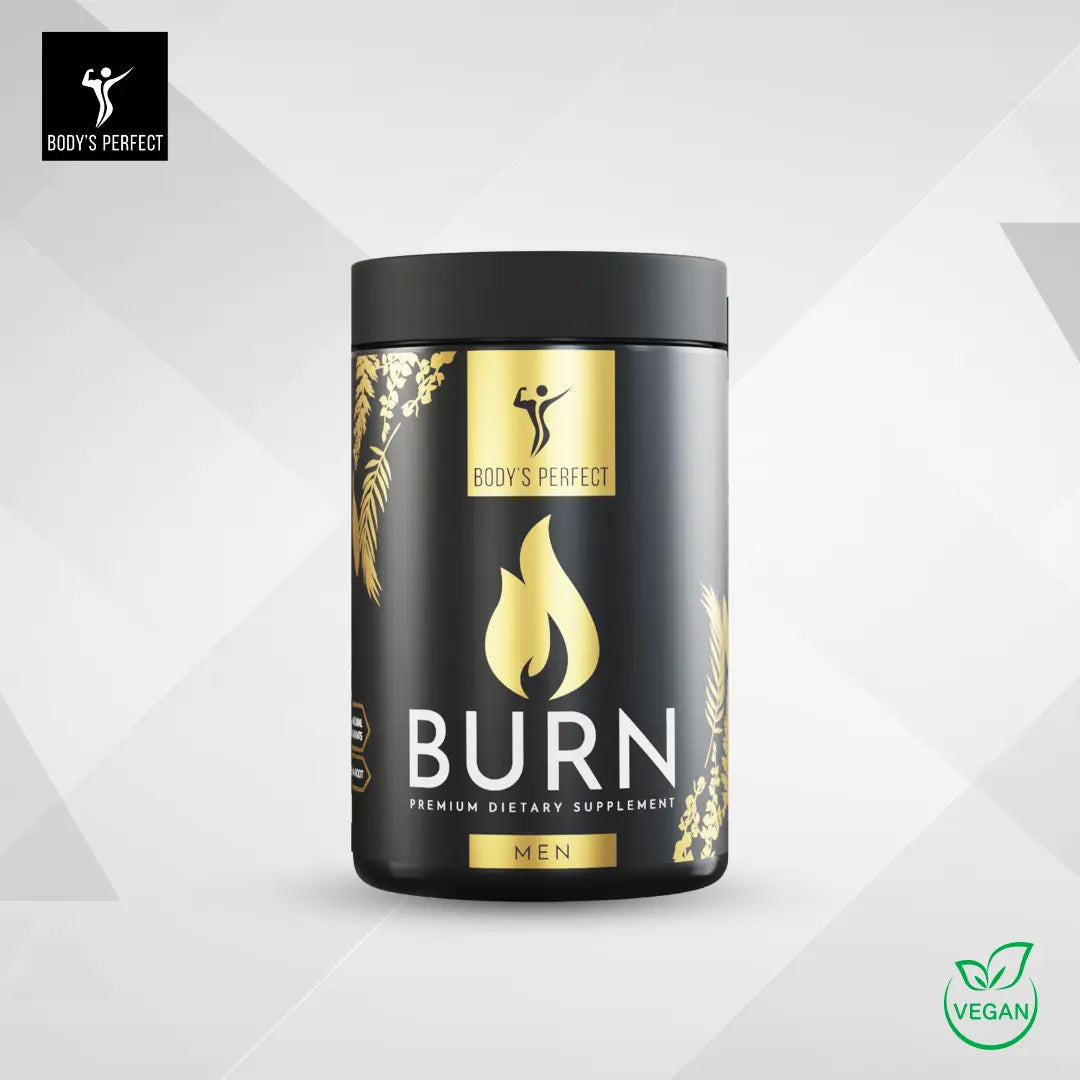
Think of them as little helpers. Products like our high-quality protein powders, for example, help you easily meet your daily protein needs. This is super important for muscle protection and ensures long-lasting satiety. Other bodysperfect.com products can specifically help boost your metabolism or improve post-workout recovery.
They are, therefore, a support to help you achieve your goals more effectively. However, the foundation for your success always remains a nutrient-rich diet, regular exercise, and a healthy lifestyle.
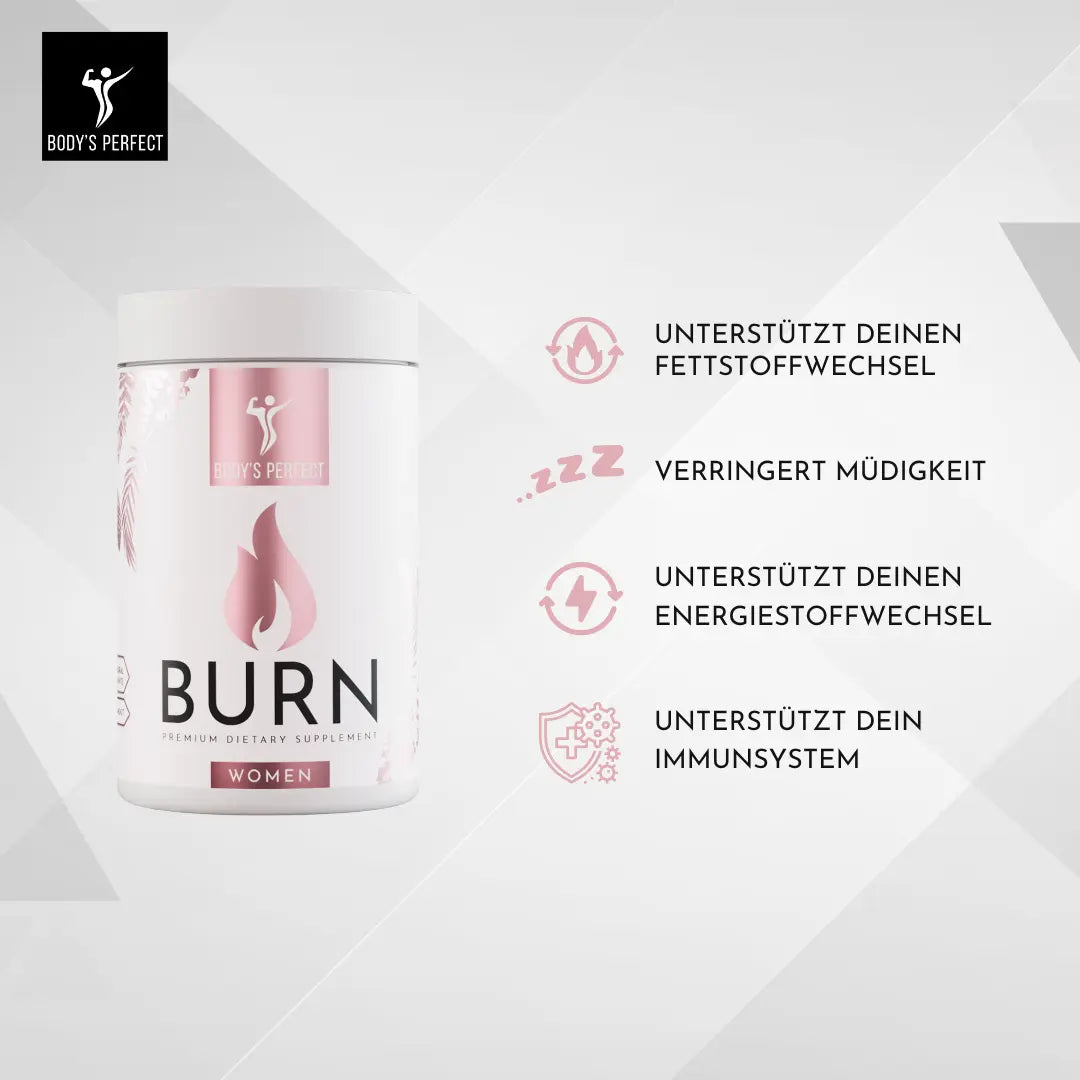
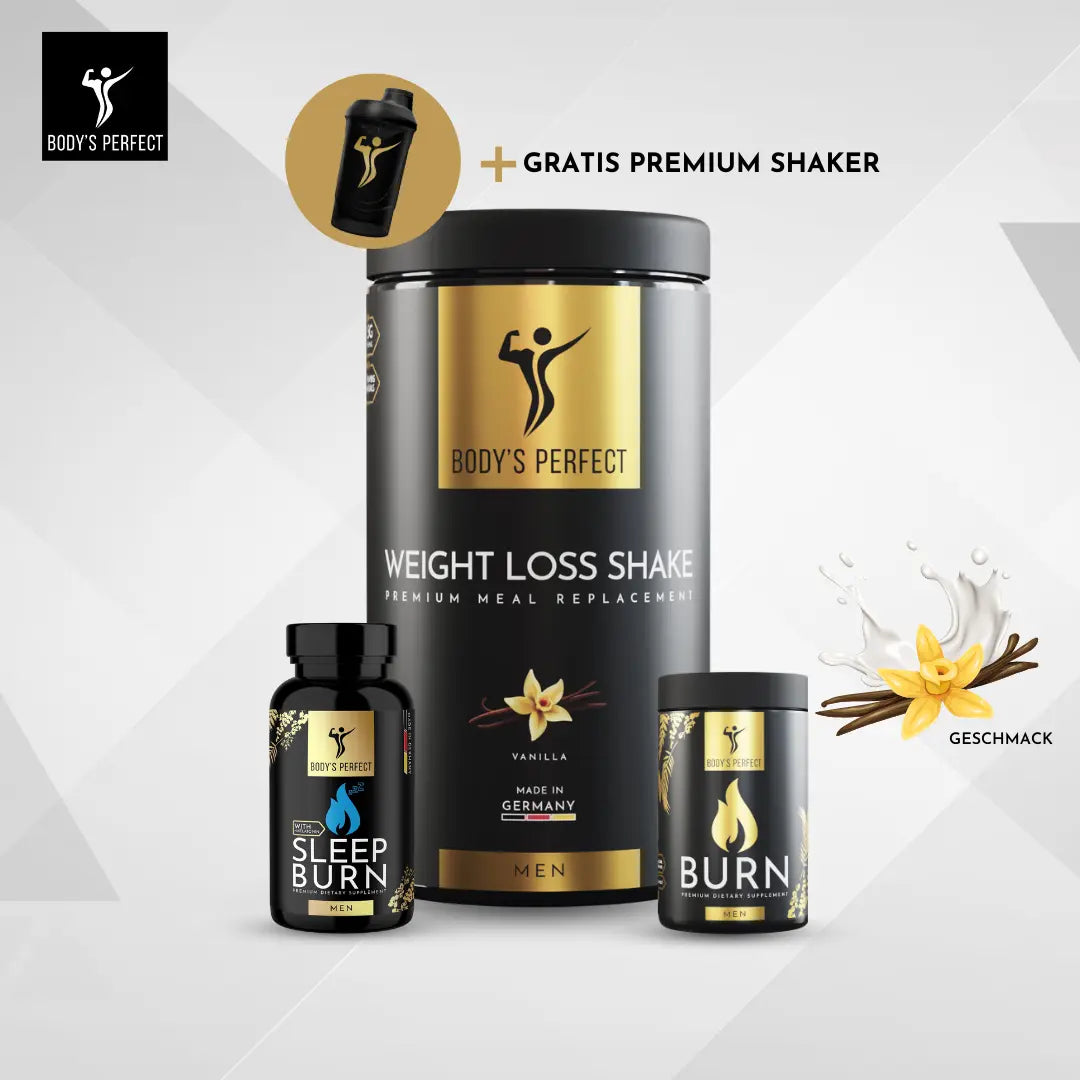
Are you ready to embark on your journey not only smartly but also with the right helpers? At BODY'S PERFECT, you'll find everything you need to support your healthy lifestyle – from high-quality shakes to innovative DNA metabolism tests. Discover the right products for your individual goals now.























Share:
Weight Loss for Women Over 40: Your Path to a Feel-Good Weight