


You wanted a flat stomach for the tight black dress for the party tonight, or to rock your new bikini on the beach fit and slim today? But your body is putting a massive damper on your plans, and you're struggling with a hard, bloated stomach? This is probably not just aesthetically displeasing, but in most cases, it also causes quite uncomfortable pain. Don't worry! We've collected the best tips for you to banish bloating once and for all.
What exactly is bloating?
A bloated stomach is nothing more than a temporary expansion of the abdomen. This is usually just a harmless symptom when there is too much air in the intestines or the digestive tract produces more intestinal gas. By the way, this should not be confused with "water retention" – water retention typically doesn't show up first in the abdomen, but rather causes swelling in the feet and ankles.
Bloating is simply bothersome, but it can be effectively combated. So, if your pants zipper pinches and just won't close, there's no immediate cause for concern. Before you grab your comfy stretch leggings and retreat to bed, we have plenty of tips and tricks on how to not only avoid a bloated stomach but also effectively prevent it.
What you need to do to prevent bloating:
- Trick 1: Not too much and not too fast
Who doesn't know it? You've just finished a long, strenuous workout, and suddenly you want to devour everything edible near you. Caution! Eating too much and too fast can lead to exactly what we want to avoid: stomach aches and uncomfortable bloating. Even those who don't eat for hours and then suddenly consume a huge meal can quickly overwhelm their digestion. So, take your time, consciously perceive every bite, and enjoy your food – your digestion will thank you!
- Trick 2: Avoid constipation
Constipation is very often the result of too little fiber, insufficient fluids, and little or no exercise. All of this can also quickly lead to bloating. To counteract this, it's important to have a fiber-rich diet. Fiber helps you feel naturally full and thus also supports weight loss. The recommended daily dose is about 25g per day for women and 38g for men (1).

Here's an overview of which foods are particularly high in fiber:
(g fiber / 100g)
- Pears (3.1g/100g)
- Avocados (6.7g/100g)
- Raspberries (6.5g/100g)
- Artichokes (8.6g/100g)
- Lentils (7.9g/100g)
- Kidney Beans (6.4g/100g)
- Chickpeas (7.6g/100g)
- Oatmeal (10.6g/100g)
- Popcorn (14.5g/100g)
- Chia Seeds (34.4g/100g)
- Trick 3: It's Tea Time – Keep the teapot handy
Since bloating and similar issues are nothing new, science has already extensively researched healing methods for them. Thankfully, there are plenty of healing plants and herbs that can counteract a bloated stomach and quickly relieve the discomfort. These include chamomile, ginger, lemon balm, sage, anise, and fennel. If you don't have ready-made tea bags at home, you can also mix your own. Simply choose your favorite ingredients from the herbs mentioned above and pour 500ml of hot water over three to four teaspoons. Let it steep for 10-15 minutes, covered, and drink 2-3 cups a day.
- Trick 4: Warmth and relaxation
Okay, at work you don't always have a hot water bottle handy, and during a hike, you can't just schedule a relaxing nap. But if you have the opportunity, you should definitely rely on warmth, because it relaxes the intestines. Grab your hot water bottle or cherry pit pillow and relax with a good book or a new Netflix series on the couch! Simply place it on the painful area and relax. Did you know? Stress can also promote an incorrect composition of gut bacteria, which in turn often ends in bloating. So, consciously try to relax. A small round of yoga or a meditation session can work wonders here!
- Trick 5: Rule out intolerances and sensitivities
Anyone suffering from lactose intolerance knows it: you're not paying attention to what you eat, and suddenly you're plagued by cramps and bloating. This can sometimes hurt quite badly and should therefore definitely be avoided. With lactose intolerance, the body cannot fully digest the milk sugar ingested with food. It's clear that digestion then goes on strike and indicates this through bloating.
- Trick 6: Drink enough
You're already bloated, and now you're supposed to down a liter of water? While that sounds a bit counterproductive, it's not at all. If you often struggle with bloating, you should definitely make sure to drink at least 2-3 liters of water per day. A good fluid balance stimulates mucus secretion in the intestines and generally promotes your digestive activities. If water is too boring for you, feel free to add some extra pep to your thirst quencher:
- Trick 7: Ginger-water with lemon
This kills two birds with one stone: water, and plenty of antioxidants. The sharp, slightly pungent aftertaste of ginger is not just an aroma, but also has a strong antibacterial effect. Ginger counteracts nausea and stimulates metabolism and blood circulation.
Citric acid, richly fortified with vitamin C, is also antibacterial and anti-inflammatory. In addition to the pleasantly delicious taste, there are also plenty of other benefits from this refreshing summer drink. Goodbye bloating!

à Did you know? Ginger also helps with sore muscles. A scientific study by Black, Herring et al. (2010) shows that regular intake of raw and heat-treated ginger can lead to a moderate to high reduction in muscle soreness (2). In the study, subjects consumed 2 grams of ginger over eleven days during a hard training regimen. Inflammation levels in the blood significantly decreased compared to test subjects who did not consume ginger.
- Trick 8: Real Bee Honey
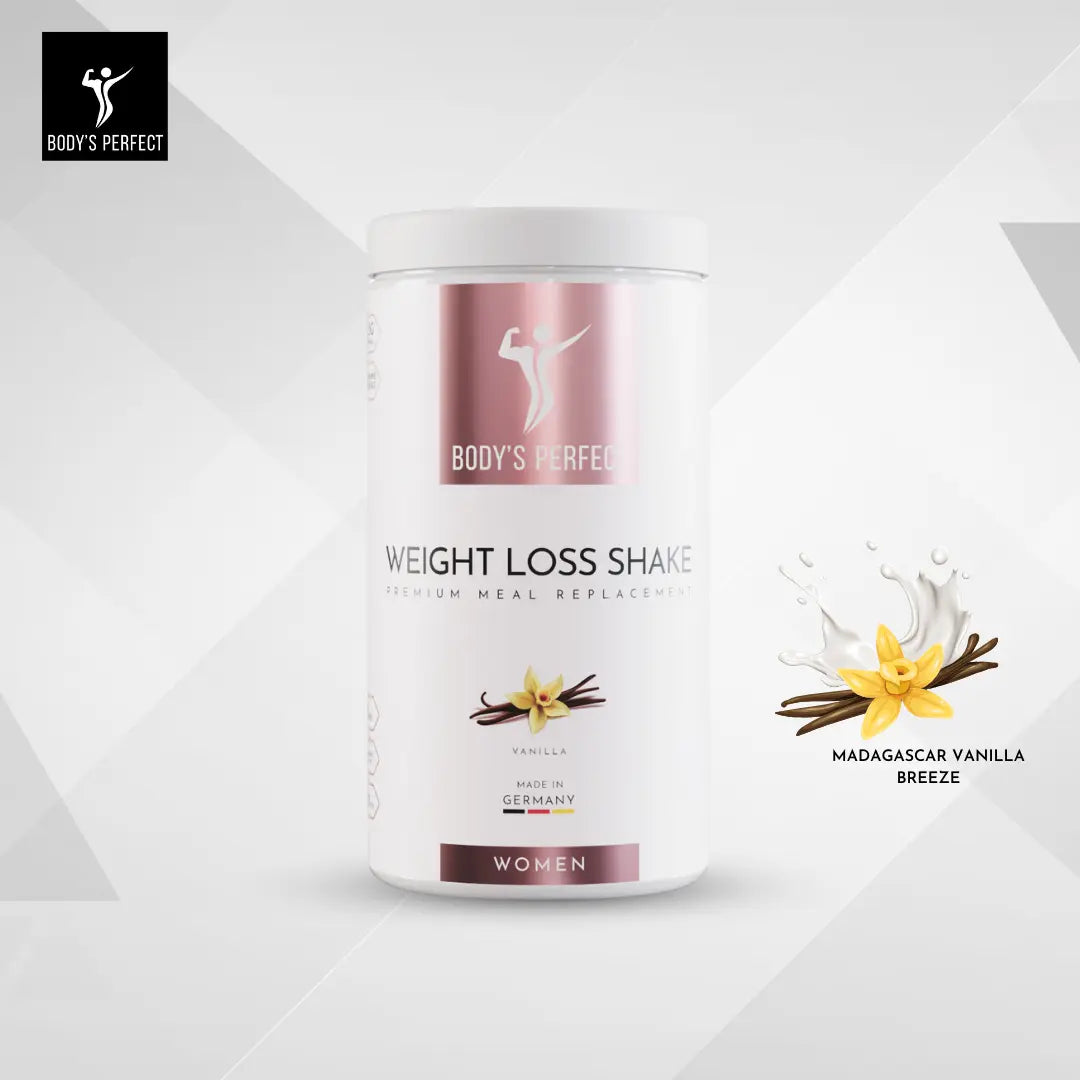
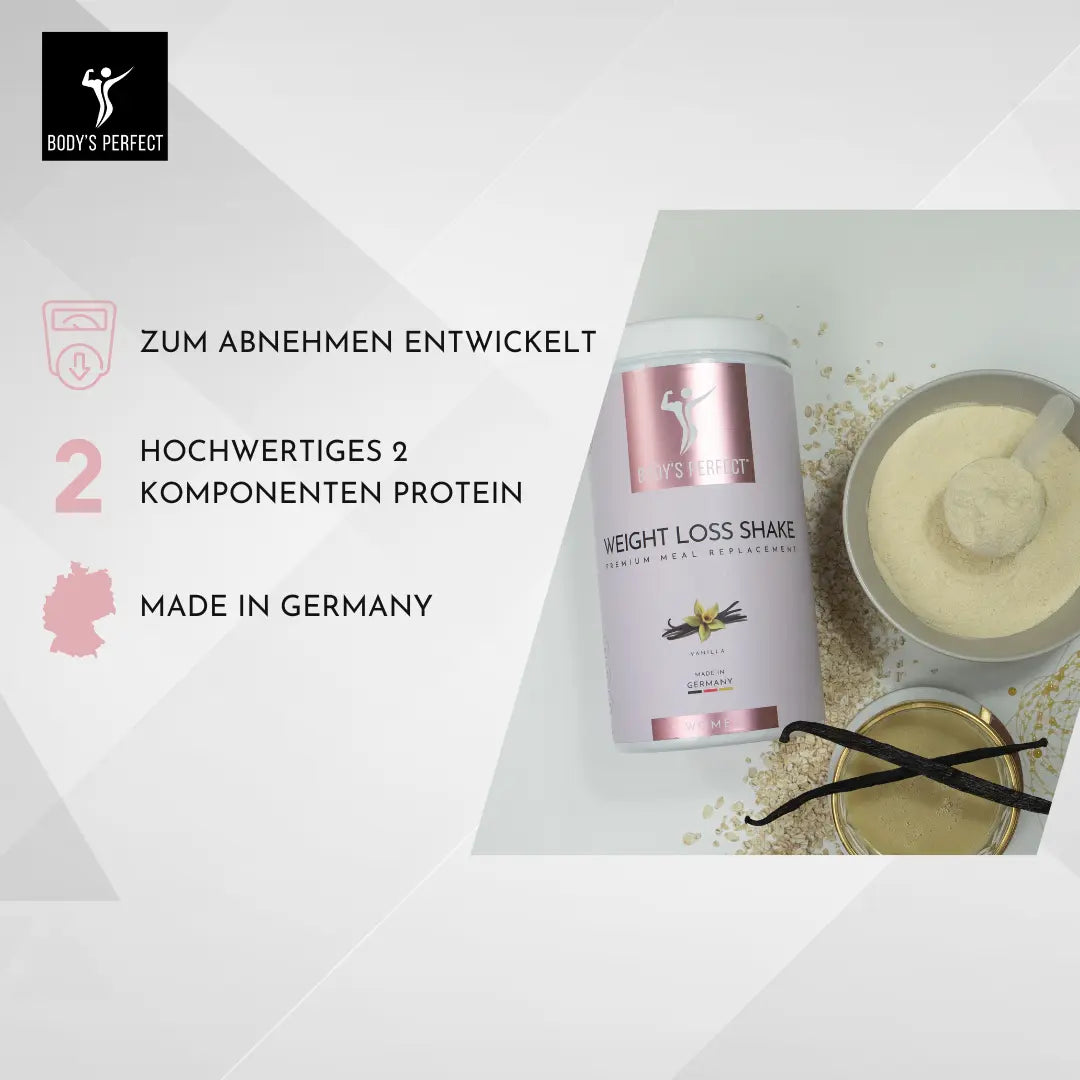
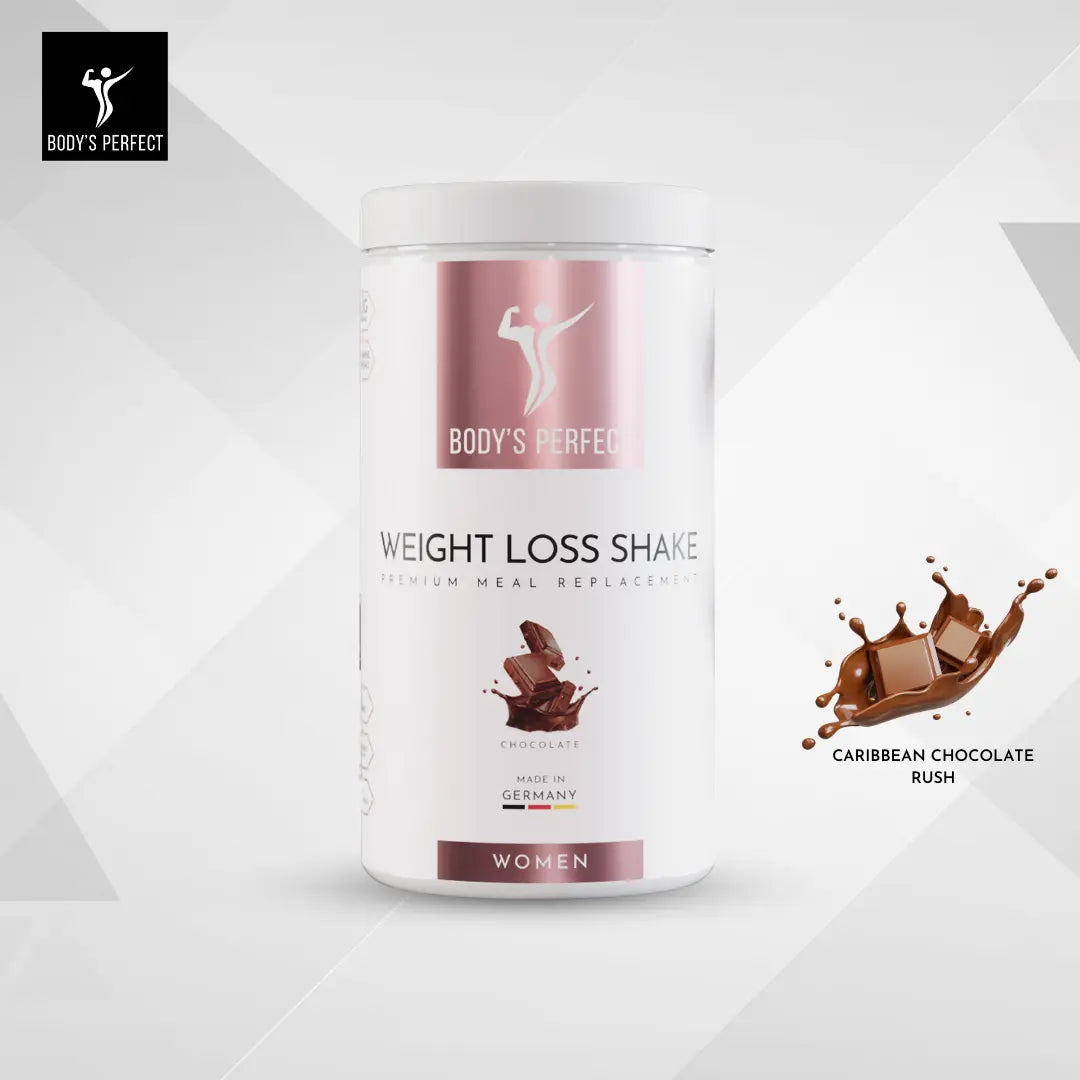
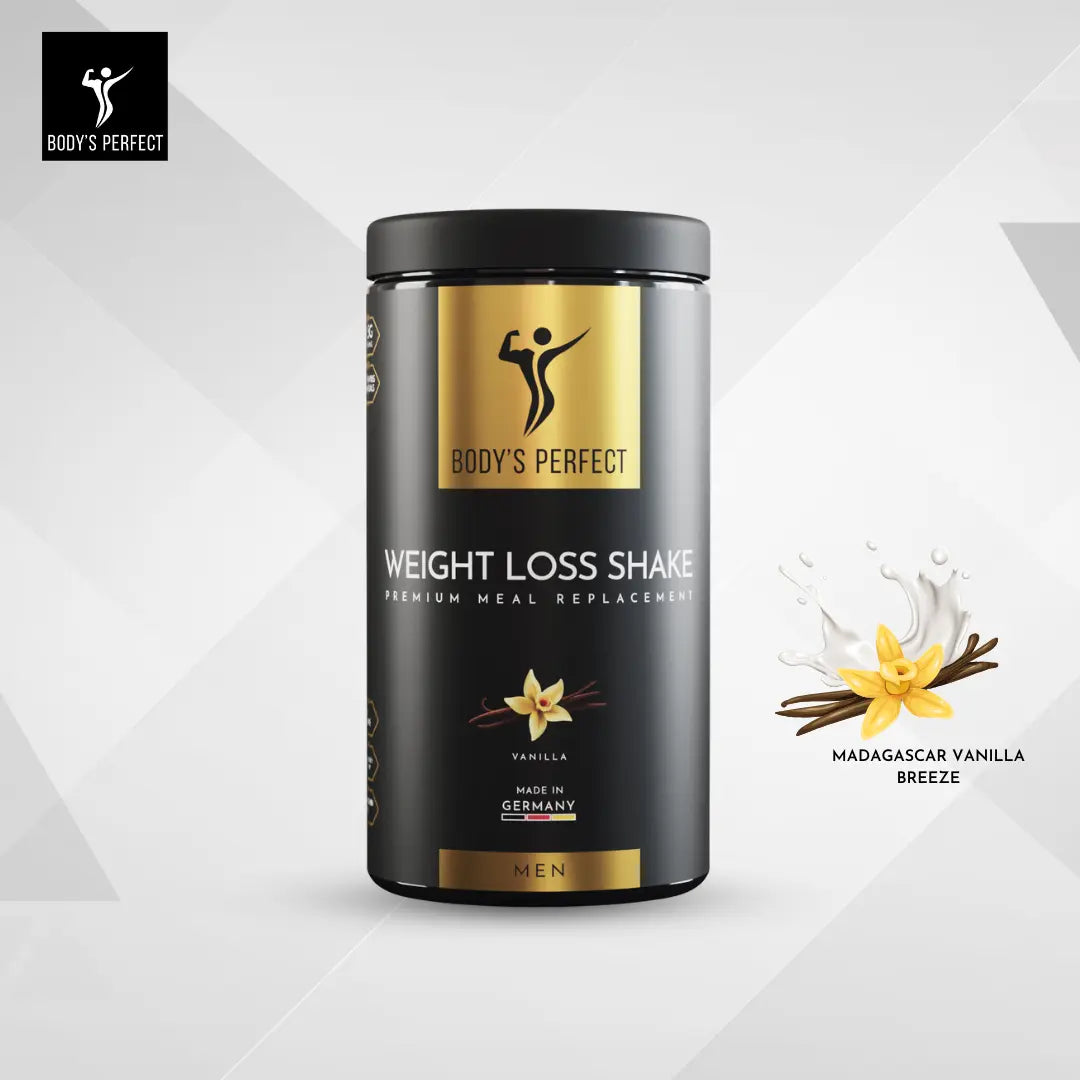
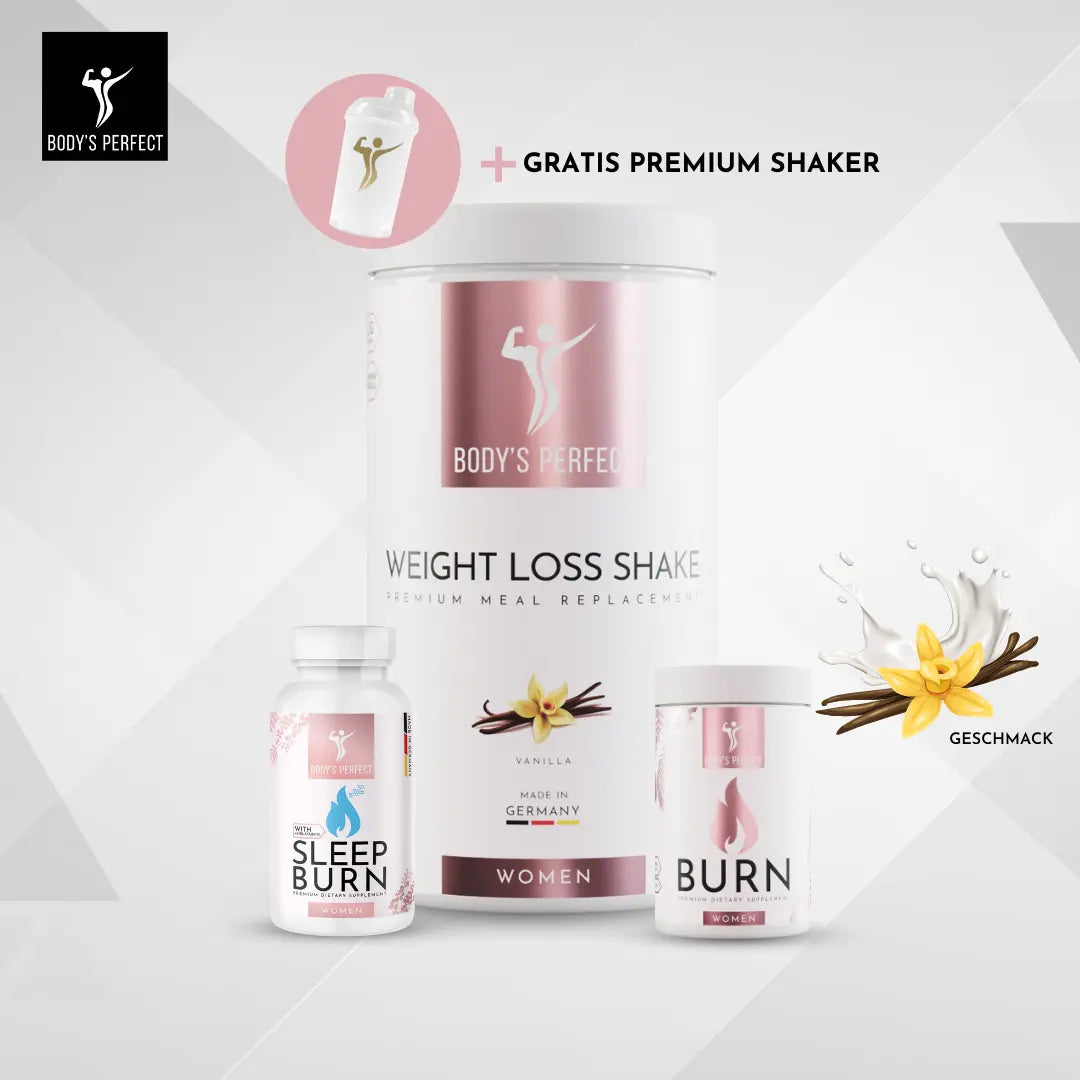
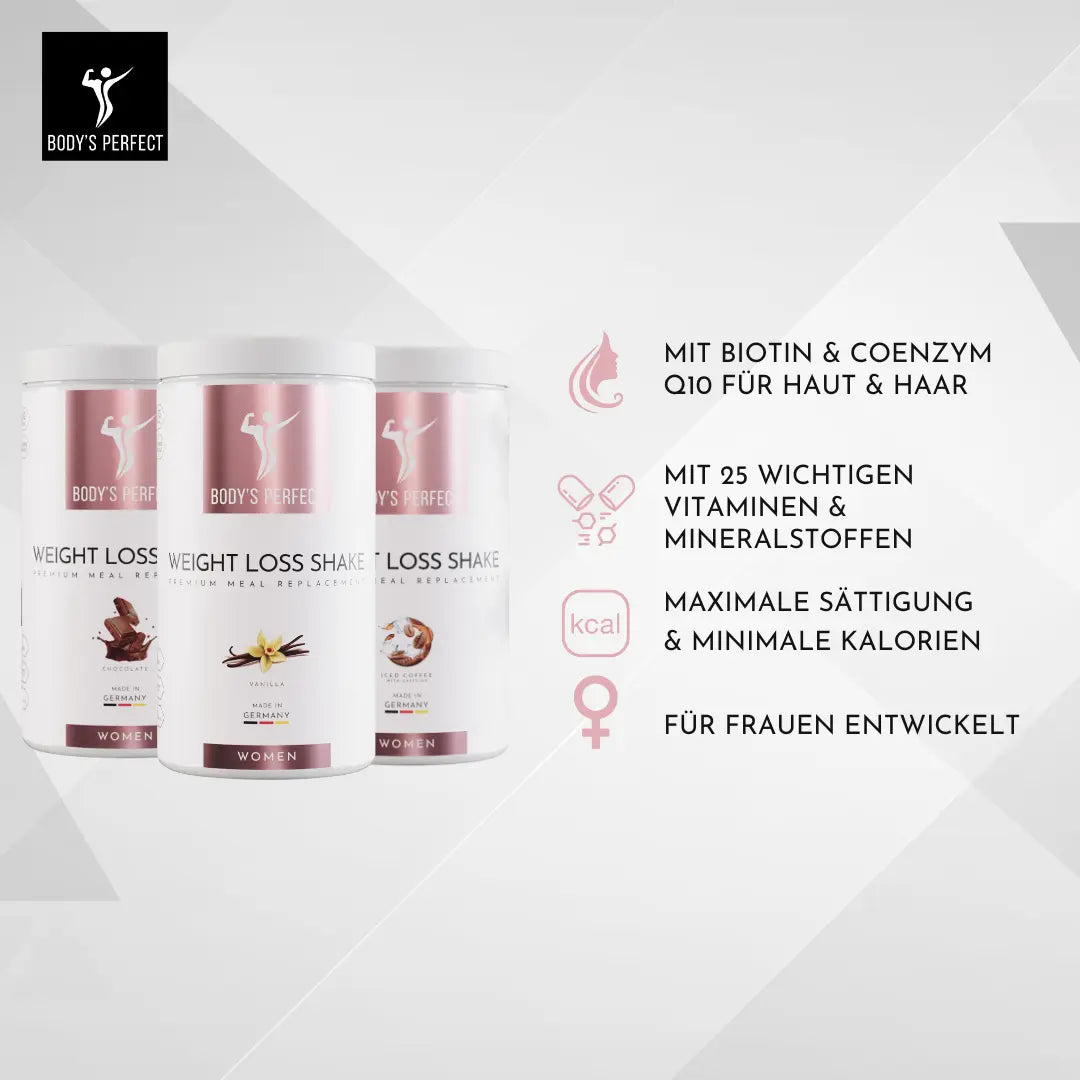
A spoonful of honey in your tea can also reduce the excessive accumulation of gas in the stomach. If your stomach growls despite bloating and you want to make a delicious meal out of it right away, try our Weight Loss Shake in Vanilla or Chocolate. It contains high-quality honey powder, which can soothe the gastrointestinal tract. Alternatively, as a company based in Tyrol, we recommend the famous Tyrolean mountain honey.
- Trick 9: Less salt, less bloating
If you often salt your noodles ten times over and then get bloated, you can blame the sodium. Too much salt can cause the kidneys to throw water balance out of whack and lead to gastrointestinal bloating. If you don't want boring food without salt, it's better to reach for other spices. Herbs and powders like chili, pepper, or garlic give your dish a spicy taste without leaving your stomach feeling full and painful afterward. By the way, more salt than the body likes is usually found in processed foods. So, you should stay away from frozen pizzas, chips, and the like if you are prone to bloating. Especially light products are often salt traps: the flavor has to come from somewhere, after all.
- Trick 10: Leave Coke, Fanta & Co on the shelf
We don't like to disappoint, but Coke lovers should rather leave their favorite drink on the shelf. Highly carbonated drinks can lead to too much extra air in the digestive tract. Normally, this is no cause for concern, as it is a normal part of the metabolic process and is usually released again immediately. However, if the body produces more gases than usual and these cannot escape, bloating is often the result. Instead, try a variant with a milder carbonation level if you don't want to miss the fizz.
- Extra Tip: Move more
If you've ever heard of the famous digestive walk, you'll be happy to know that it's not just a saying, but also has truth in its effect. Especially after a large meal, a short walk can work wonders and significantly reduce bloating. You don't have to go for an hour-long walk or torture yourself in the gym: even 20 minutes in the fresh air and light exercise promote digestion. In addition, (full-body) movement also leads to a higher heart and breathing rate, which promotes blood circulation in the intestines.

- Stay away from artificial sweeteners
Sugar is bad, sweeteners are good – that's not entirely true. If you want to know what's in your food, just take a look at the ingredient list on the packaging. Any ingredient ending in "-ol" – such as erythritol, sorbitol, or xylitol – are artificial sweeteners that are very likely to contribute to bloating. These so-called sugar alcohols can be found in almost every sugar-free snack, like gummy bears, drinks, and so on. Sugar alcohol is difficult for the body to digest, which in turn leads to swelling and bloating.
If you're prone to bloating but still have a sweet tooth, it's better to opt for real sugar (in moderation, of course!). If you want to learn more about sugar and how much you should consume, check it out here.
The quick overview – Tricks against bloating
You now know the dos and don'ts to avoid bloating. Here's a quick overview of which foods you should definitely avoid to prevent bothersome bloating from even having a chance:
- Alcohol
- Carbonated drinks like Coke, Fanta, Sprite & Co (apart from the fact that they also contain tons of sugar!)
- Too much coffee
- Fatty dairy products (especially, of course, with lactose intolerance)
- Sugar alcohols, which are particularly found in sugar-free, light products
- Excessive salt
- Unripe fruit or vegetables
The discomforts that cause flatulence and bloating can therefore be alleviated through the right diet, sufficient fluids, and some exercise. If you often suffer from flatulence, simply keep a record of what you eat daily for a few weeks. This way, you might soon be able to exclude certain food groups and banish flatulence for good!
Sources













Share:
Mens sana in corpore sano – a healthy mind in a healthy body
Top 10 Tips for Low-Sugar Eating