


What does science say?
Losing weight, or a noticeable and tangible reduction in weight, is a heartfelt desire for a large part of the population in Europe and beyond. Especially after the age of 30, it becomes increasingly difficult to maintain a fit physique. Many people therefore start regular endurance sports at this stage of life. Jogging, swimming, and cycling are probably the most popular. Additionally, one begins to rethink their diet. Fast food, which one could consume without a second thought and in record time in their early 20s, is now viewed with suspicion, perhaps accompanied by a touch of melancholy for some. Instead, people turn more to vegetables that serve as meat substitutes, or they opt for chicken and fish. Generally, meat is consumed no more than once a week. Sweets and calorie bombs like tiramisu, cookies, and cakes are a rarity, and if not, one immediately regrets consuming them, especially when it shows on the scale.
Are conservative therapies efficient?
Anyone who has already passed their 30th birthday and cannot identify with these thoughts at all should count themselves lucky, as it is more the exception than the rule. Generally, people seek out measures to reduce fat tissue, and they try various things. The average weight loss in most conservative therapy programs is five to six kilograms after one year. Previous experience shows that many people find it difficult to maintain this weight loss. Even with continued therapy programs, there is a moderate re-increase in body weight in the second year. The causes of this are not clear: it could be due to general living conditions, the individual environment, and genetic predisposition, but also to the complex regulatory system of our body "defending its weight". A lasting change in lifestyle is crucial for weight maintenance. Regarding nutrition, a low-fat diet with a reduction in energy density currently promises the greatest benefit. With largely preserved eating habits and intake amounts, sufficient satiety can be achieved in this way.
This means that it is best to maintain the rhythm in which one consumes food. One should feel temporarily full after each meal. At the same time, however, meals should be low in fat and not calorie-rich. This sounds paradoxical, one might think, but various natural substances can fulfill this intention:
Is this the new miracle fruit for weight loss?
For several years, the prickly pear has been the focus of worldwide scientific research because bioactive components with antioxidant properties, among others, have been found in it. Most scientific studies on the effects of prickly pear have so far been carried out in its native Mexico, where the Aztecs already used parts of this plant for healing purposes. In traditional Mexican folk medicine, the cladodes are mostly used in cooked or dried form to prevent chronic diseases such as type II diabetes mellitus, high blood pressure, or hypercholesterolemia (elevated cholesterol levels in blood plasma). Experiments and clinical studies show that the pectin-like polysaccharides (dietary fiber for humans) contained in the cladodes, which serve the plant as a complex three-dimensional network for water storage, are partly responsible for these effects. In addition to their ability to increase satiety as dietary fiber, their ability to bind fat, which is excreted with the stool, among other things, leads to a reduction in triglyceride and cholesterol levels in the blood with regular consumption. In addition, blood sugar levels are lowered - presumably by increased insulin secretion. Teas are made from the flowers of the prickly pear against prostate and bladder complaints. Regular consumption of the fruits helps, for example, due to the high concentrations of calcium and magnesium mentioned above, to prevent osteoporosis or muscle cramps during sports.
Nature instead of medicine - The success is measurable!
Garcinia gummi-gutta is a tropical Garcinia species native to Indonesia. Common names include Garcinia Cambogia as well as Malabar Tamarind and Kudam Puli. Under the name Garcinia Cambogia, this fruit is little known in Germany but has a positive effect on weight. It looks similar to a small pumpkin, is green to light yellow in color, and probably originates from East Africa. It has been known there for many millennia and is firmly established in Ayurvedic medicine as well as traditional Indian healing methods. However, modern science is still not entirely agreed on its effects. While some studies clearly conclude that Garcinia Cambogia accelerates fat metabolism, other scientists cannot confirm with absolute certainty that the consumption of this fruit was causally responsible for the weight loss of their study participants. The fact remains, however, that no weight gain occurred during regular intake. Of course, study results always depend on the methods used, and scientific consensus should be viewed as a subset of divergent evidence.
The Konjac plant, also known as Devil's Tongue or Amorphophallus konjac (Amorphophallus rivieri), is a plant from the arum family and an integral part of Asian cuisine. Glucomannan from the konjac root is a dietary fiber for which cholesterol-lowering effects have also been demonstrated. Konjac glucomannan in an amount of 3g daily leads to an average LDL cholesterol reduction of 10% after a meta-analysis of 12 studies. Furthermore, it has been proven to reduce body weight when at least 3g daily is taken by an overweight person in 3 portions of at least 1g each with 1–2 glasses of water before each meal. In fact, konjac products have hardly any calories and contain neither fat nor usable carbohydrates, but only water and fiber. In addition, the konjac root stimulates digestion and promotes the health of the gastrointestinal tract.
Guarana seeds have long been anchored in the folk medicine of indigenous peoples around the Amazon. The highly caffeinated seeds, after being dried and peeled, are ground into a light brown powder, mixed with water, and sweetened with honey before drinking. Guarana is said to have a slight fever-reducing effect and strengthen endurance in cases of physical weakness. Similar to coffee, Guarana has a stimulating effect on the cardiovascular system. It also suppresses feelings of hunger and thirst, which is why it is very important to ensure adequate hydration after consumption. The caffeine in Guarana strongly stimulates the metabolism, thus ensuring better and more effective fat burning. While caffeine clearly reduces body fat in animal experiments, this has not yet been officially proven in human studies. This could possibly be due to the fact that many more factors can be controlled in animal experiments. However, it is undisputed that caffeine can provide the necessary energy for sports activities, which in turn are directly associated with a reduction in fat tissue.
How difficult is the implementation?
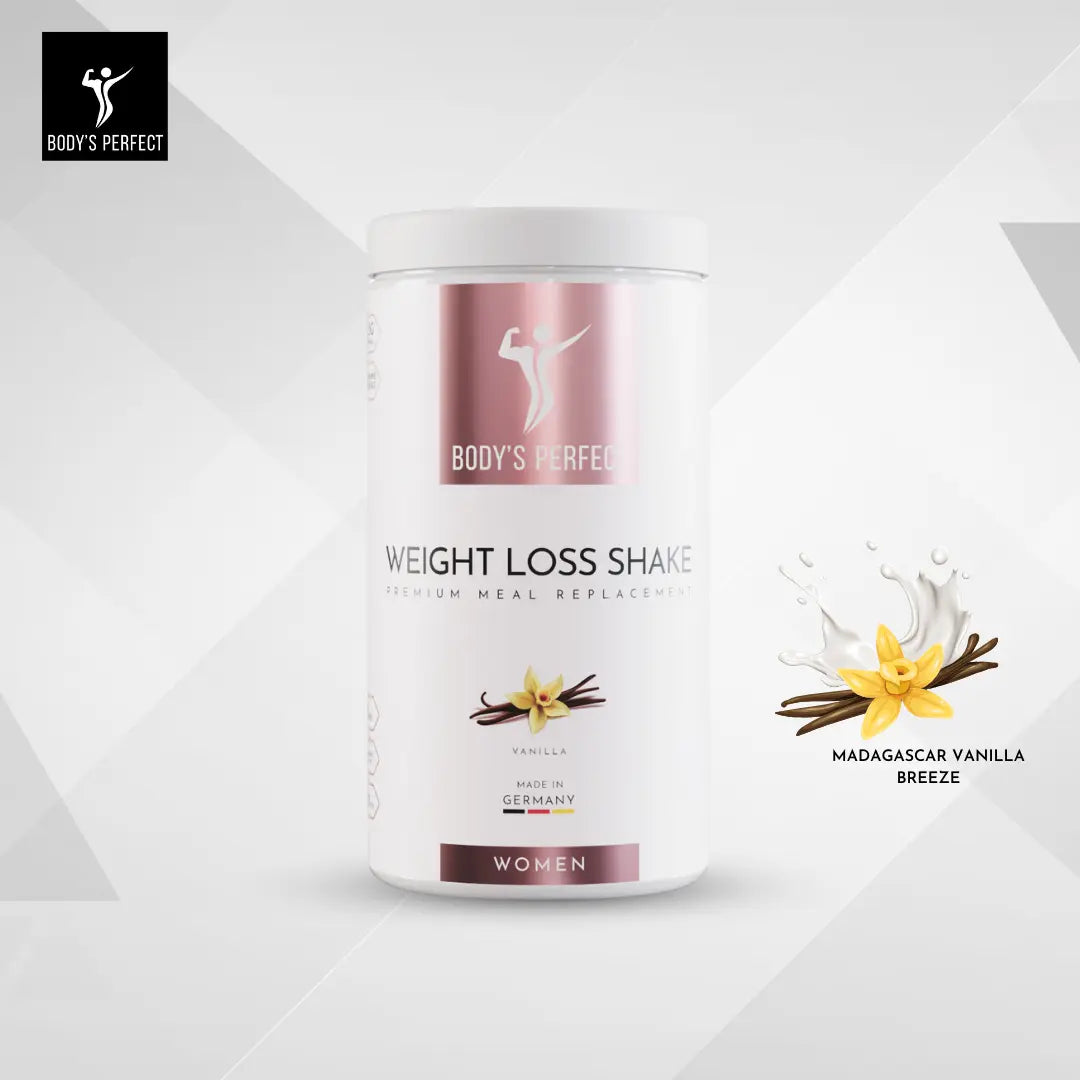
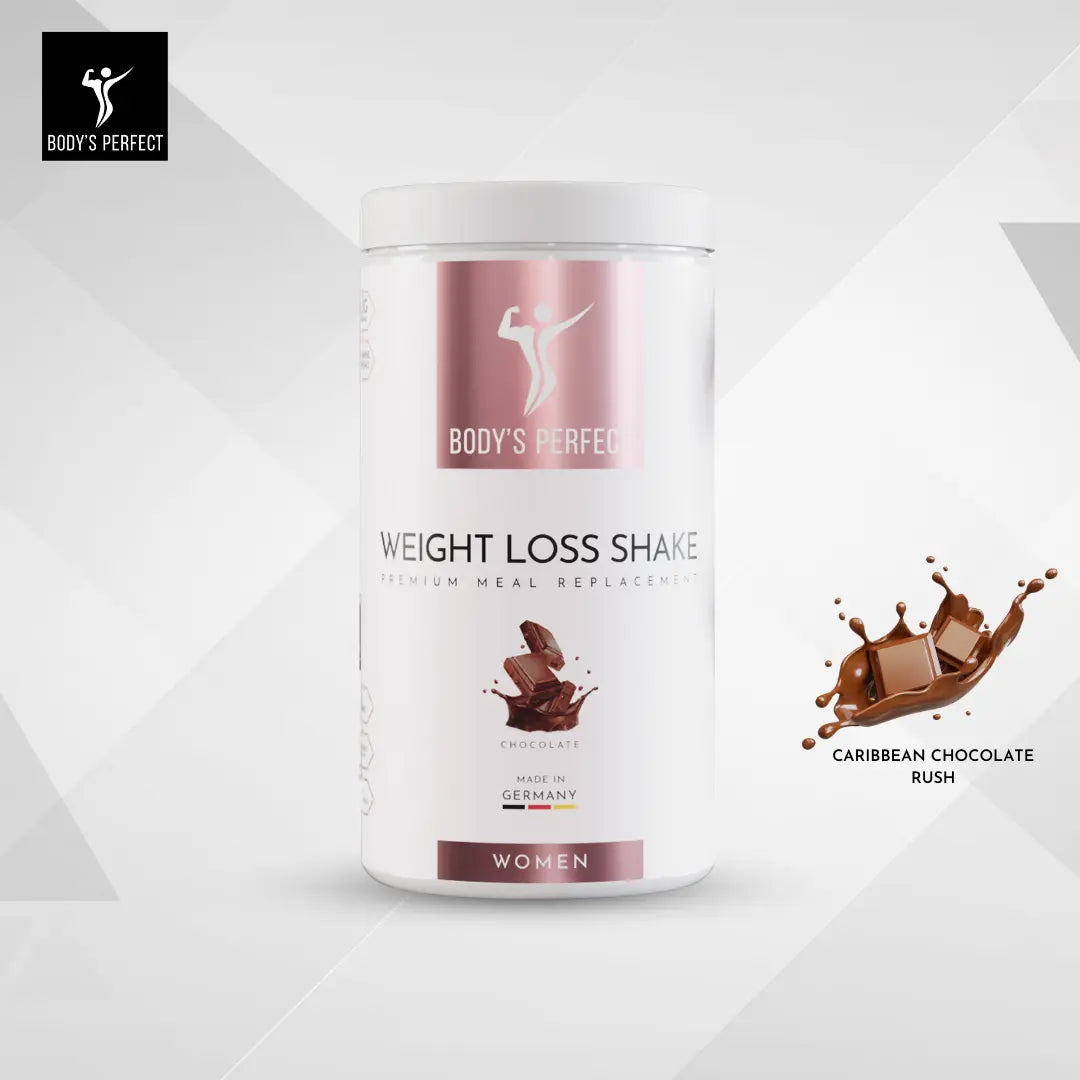
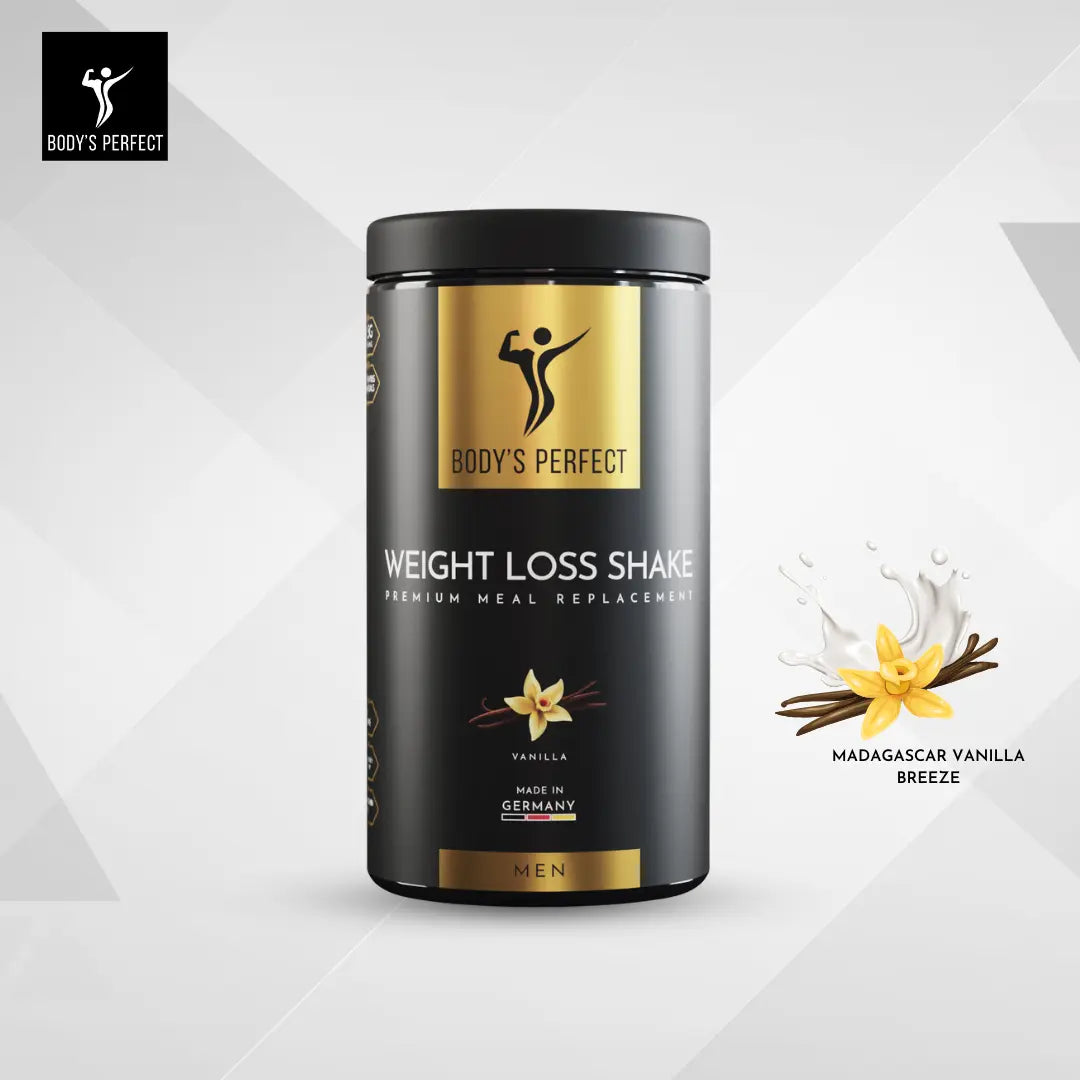
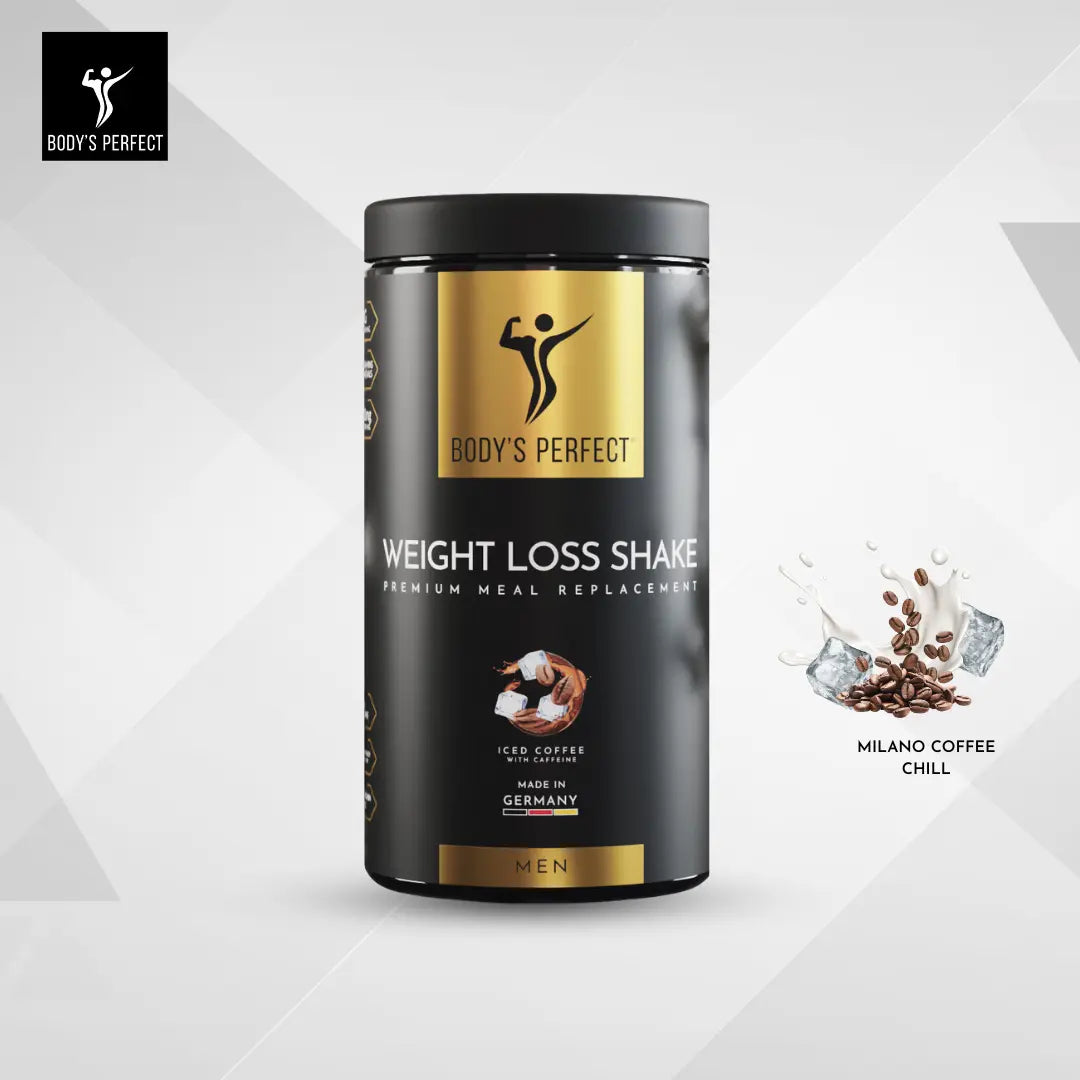
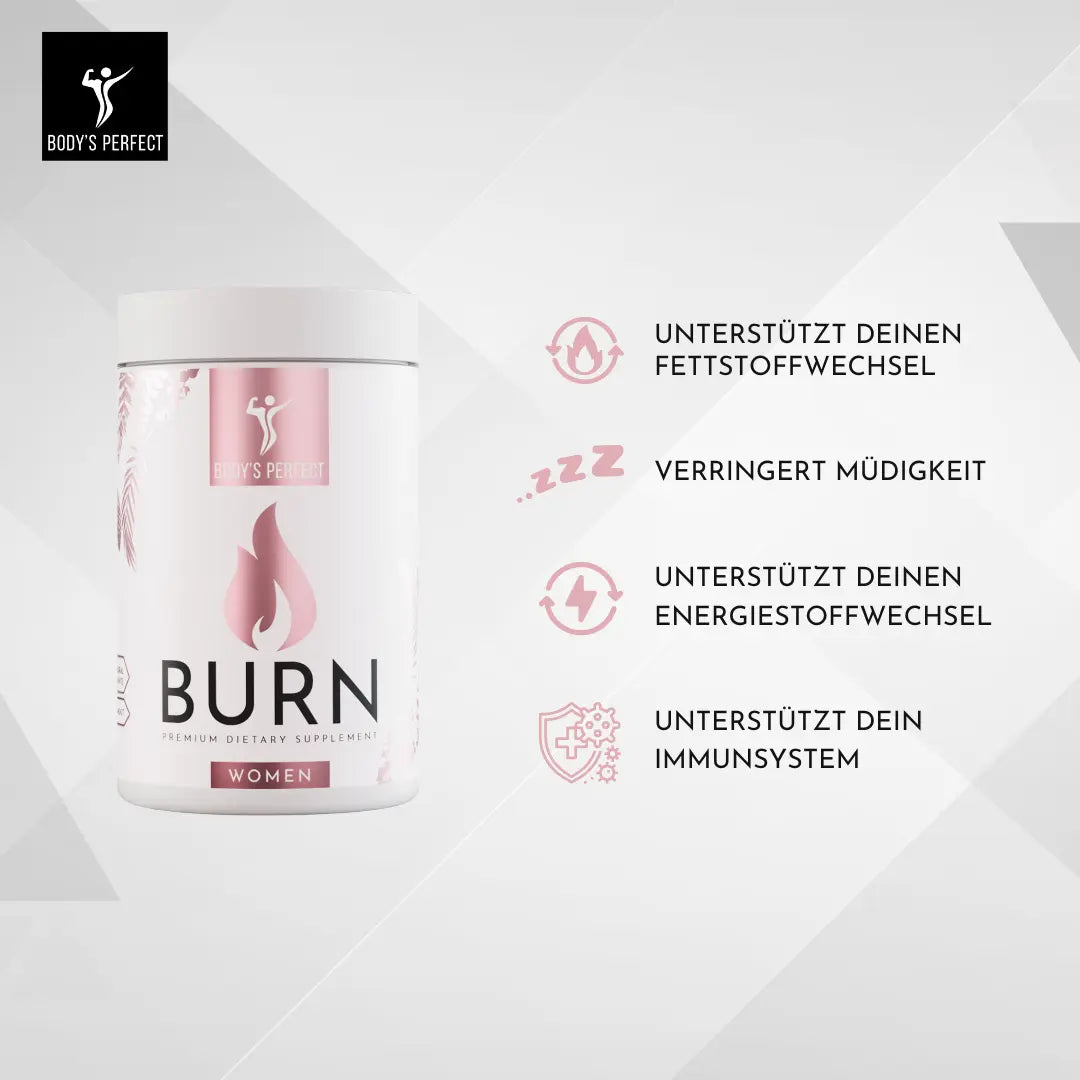
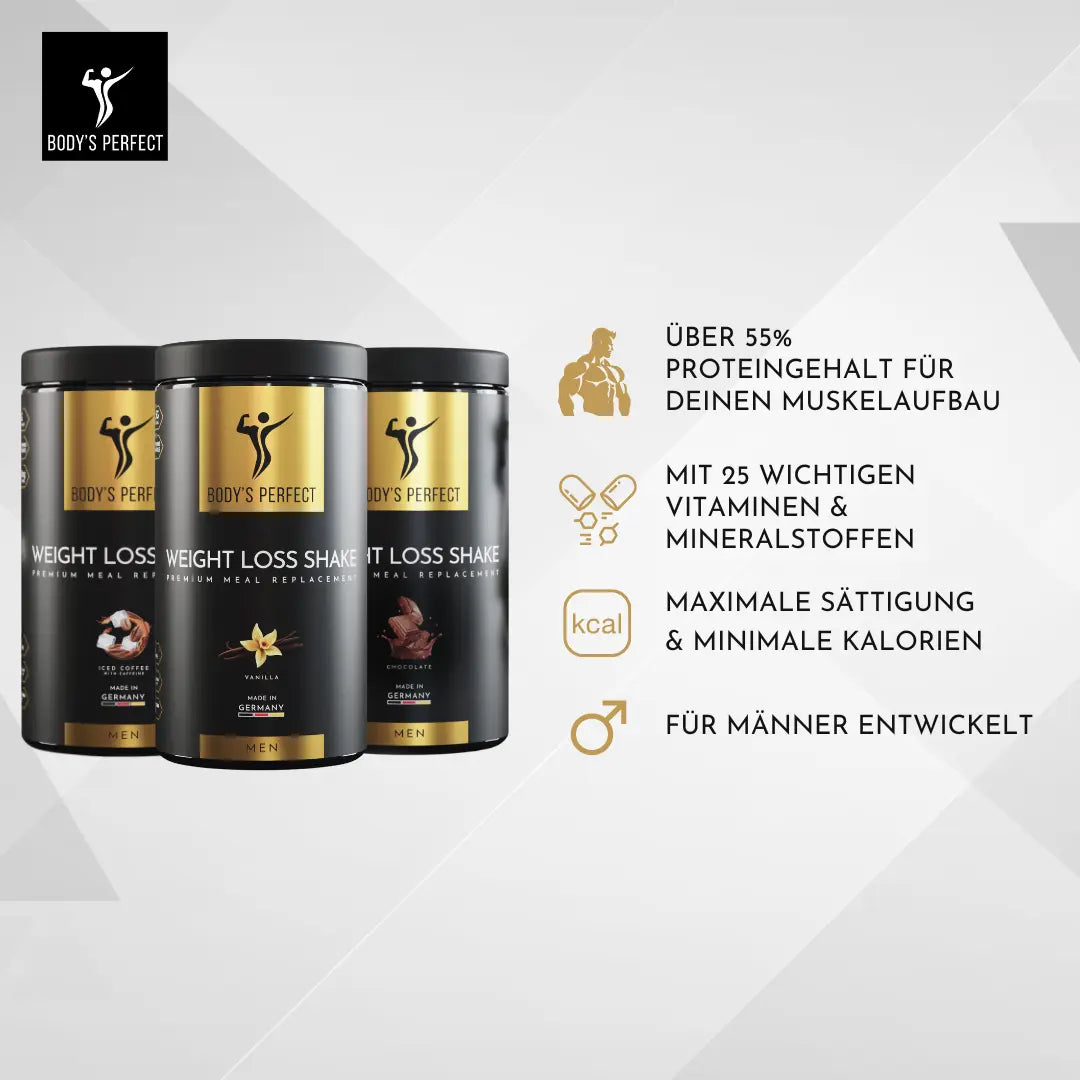
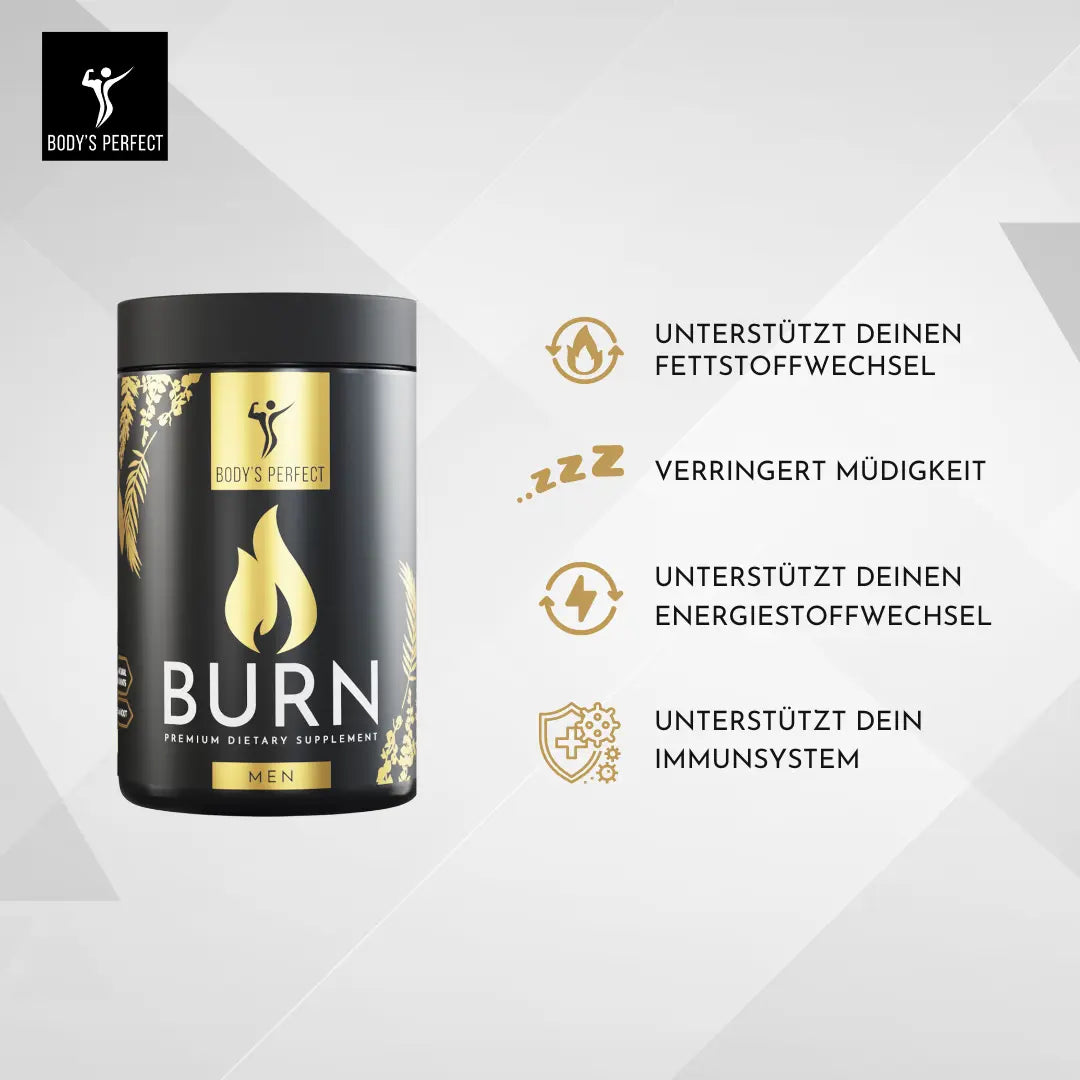
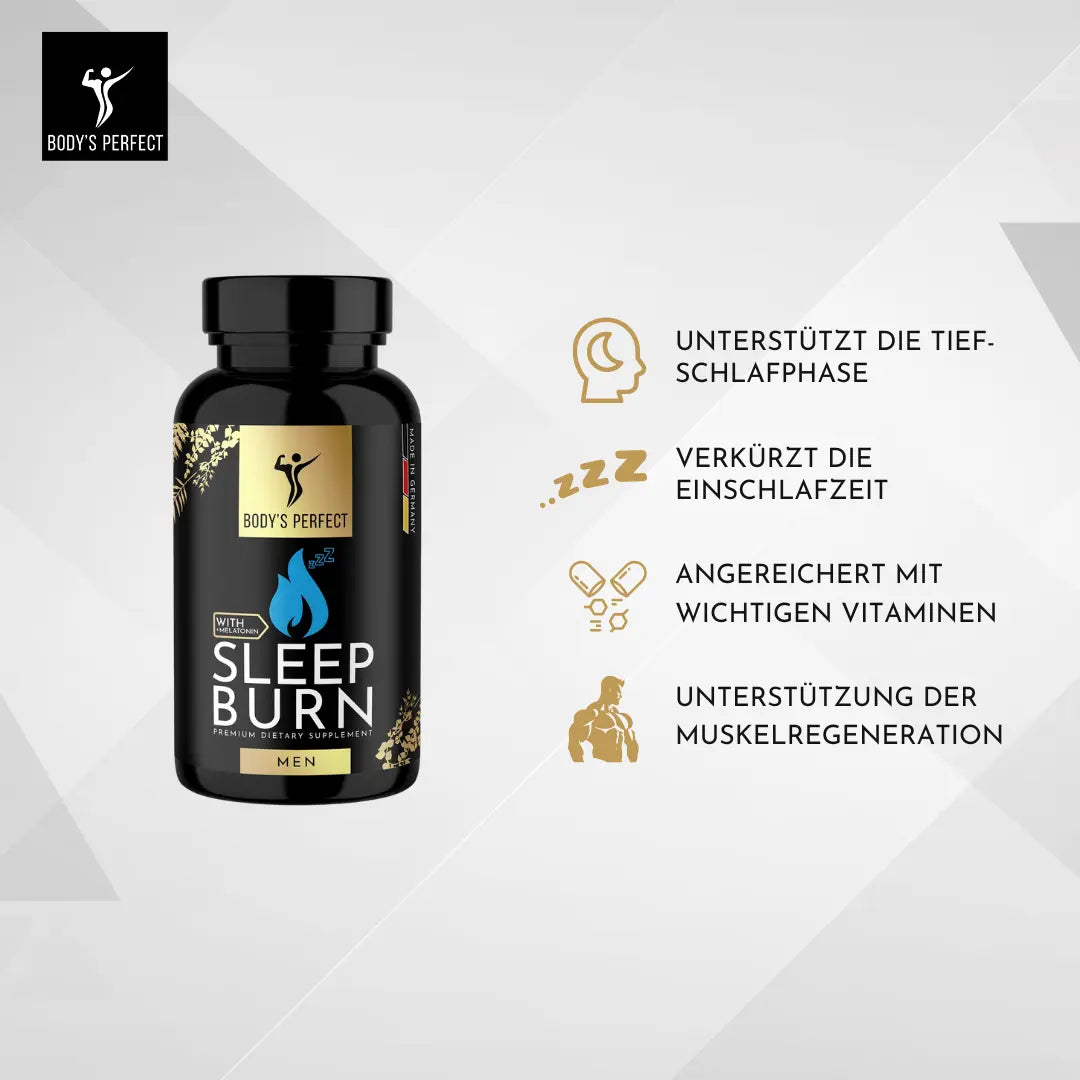
If science always agreed, it would probably progress very slowly. Why research if there's nothing to refute or prove? The most interesting studies on natural products are therefore probably those that arose from a passion and enthusiasm for the power of nature. Consumers are therefore advised not to rely solely on results that have been produced by well-funded research and presented with expensive advertising. It is much more important to do your own research, get a comprehensive overall picture, and keep an eye on your own physical condition. Significant weight reduction can normally be achieved very well without pharmaceutical products and medical help. None of the three main meals need to be skipped. Instead, one should pay attention to what one eats and how one spends the time between main meals. It is undoubtedly proven that just 30 minutes of physical exertion per day positively contributes to metabolism. Natural products, like those already mentioned above, provide the energy for this. But where do you get these exotic products and how do you dose them correctly? Body’s Perfect has specialized precisely in combining healthy natural products from all possible regions of the world. Great care has been taken to ensure the correct ratio of ingredients, to provide athletes with sufficient energy for the day and at the same time noticeably simplify weight loss or maintaining ideal weight.
Sources:
Melanie Beudels & Angelika Preisfeld: Journal für Didaktik der Naturwissenschaften und der Mathematik (P/S)Juni 2018, Vol.2, pp. 54-71
Steven B. Heymsfield, MD; David B. Allison, PhD; Joseph R. Vasselli, PhD; et al: Garcinia cambogia (Hydroxycitric Acid) as a Potential Antiobesity Agent
Central Research Laboratory, FANCL Corp., Kanagawa, Japan, Laboratory of Advanced Animal and Marine Bioresources, Faculty of Agriculture, Kyushu University, Fukuoka, Japan, Food Development Laboratory, Nippon Shinyaku Co., Ltd., Kyoto, Japan, Department of Laboratory Medicine, Toho University School of Medicine, Tokyo, Japan, Department of Biochemistry, Teikyo University School of Medicine, Tokyo, Japan: Effects of garcinia cambogia (Hydroxycitric Acid) on visceral fat accumulation
Volker Schmiedel: Mit Pflanzenstoffen gegen erhöhtes Cholesterin

























Share:
Mens sana in corpore sano – a healthy mind in a healthy body
Top 10 Tips for Low-Sugar Eating