

You've probably heard of L-carnitine – the supplement touted as a secret weapon for fat burning and increased energy during workouts. But what's really behind it? Is it the game-changer for your goals or just another hype? Let's clarify this honestly and without empty promises.
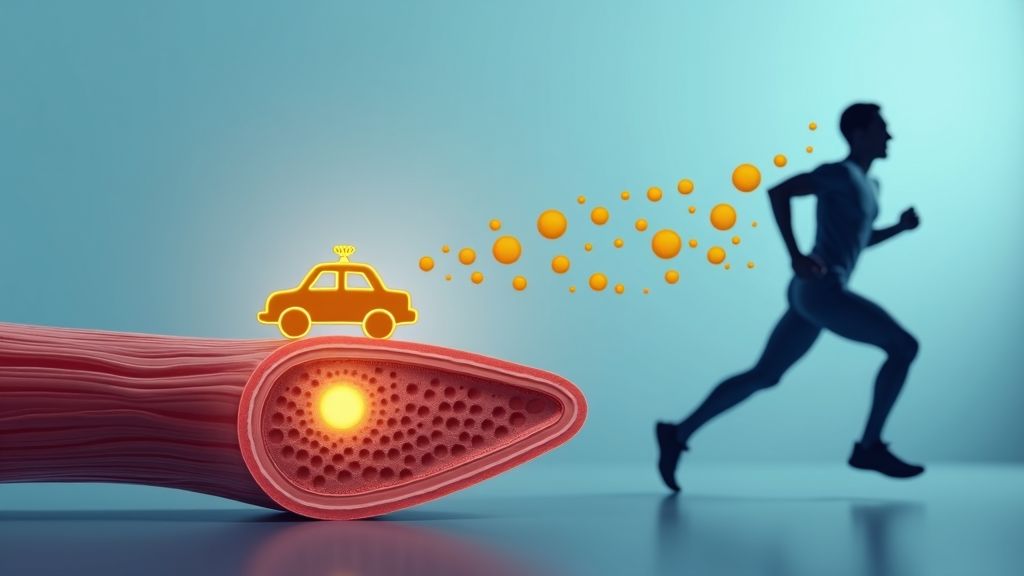
Imagine L-carnitine as the diligent "fatty acid taxi" in your body. Its main task: it picks up fatty acids and transports them directly to your cells' powerhouses (the mitochondria). There, they are then converted into usable energy. Sounds simple, but precisely this process is crucial for your fitness goals.
What L-carnitine really does in your body
Let's forget all the hype and look at what L-carnitine actually does in your body. Imagine your fat reserves as a huge warehouse full of energy packages. But for your body to use these packages as fuel, they first need to get into the "furnaces" of your cells – the mitochondria. And this is exactly where L-carnitine comes into play.
Without this important "taxi," fatty acids practically pile up outside the gates of the cellular powerhouses. The result? Your body has a really hard time accessing this valuable energy source. L-carnitine thus ensures that the path is clear and your fat metabolism can run smoothly.
Its role as the body's own taxi
Your body is quite clever, as it can produce L-carnitine itself from the amino acids lysine and methionine. In addition, you absorb it normally through your diet, primarily through animal products like red meat.
The German Nutrition Society (DGE) does not specify an official daily requirement, as healthy people generally have enough of it. Your muscles can store approximately 20 to 25 mg of L-carnitine, which is completely sufficient for normal daily life. You can also find more details on natural sources on portals like rewe.de.
When does supplementation become interesting for you?
The truly exciting question is: When might your body's own production or intake through diet not be sufficient? Here are a few classic situations where you should pay attention:
- Intense training: If you regularly push your limits, your body cries out for more energy. And for that, it also needs more L-carnitine to transport all those fatty acids.
- Calorie deficit: In a diet where you specifically want to lose fat, you fully focus on your fat metabolism.
- Vegan or vegetarian diet: Since the best L-carnitine sources are of animal origin, people who eat a plant-based diet often consume significantly less of it.
Precisely in such phases, targeted supplementation, for example with L-carnitine L-tartrate, can ensure that your "taxi service" doesn't suddenly become overloaded. It helps your body use released fat reserves more efficiently as energy.
So, the effect of L-carnitine is not a magic switch that simply melts away fat. Rather, it is smart support for your metabolism, which can make a difference especially when you truly challenge your body. Learn more about the specific benefits of L-Carnitine L-Tartrate in our detailed article.
How to specifically support your fat metabolism
Now to the big question: Does L-carnitine really help with weight loss? The honest answer is: It's a clever tool, but not a magic pill. Let's take a close look at how the effect of L-carnitine can optimize your fat burning – but only if the conditions are right.
L-carnitine primarily performs its role as a "fatty acid taxi" when your body is in a specific mode. Imagine you're dieting and consciously eating fewer calories. This forces your body to tap into its own energy reserves – meaning stored fat. Precisely at this moment, your metabolism needs to run at full speed.
In this phase, it is absolutely crucial that the released fatty acids actually end up where they are burned. A good L-carnitine level ensures that this transport works smoothly and all your effort is not in vain.
The key lies in combination
L-carnitine alone will not melt away pounds while you're lying on the couch. Its true power only unfolds in combination with the right measures. It is, so to speak, the amplifier for your efforts.
This graphic clearly illustrates how L-carnitine molecules specifically guide fatty acids into the mitochondria of your muscle cells.
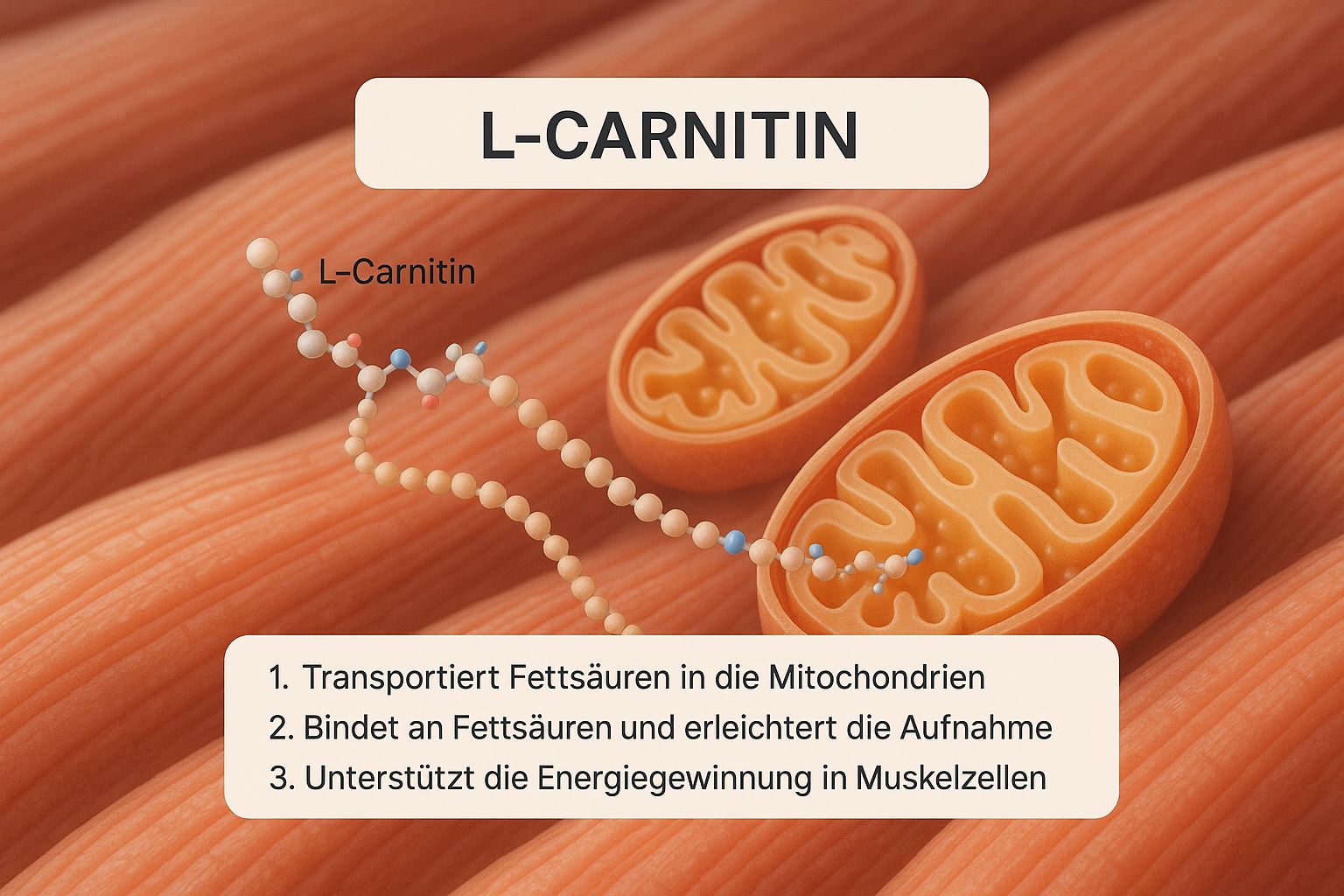
It can be clearly seen here that L-carnitine is the crucial link to make fat usable as an energy source in the first place.
Always remember: L-carnitine does not reinvent fat burning. It optimizes the process that you initiate yourself through diet and exercise.
To illustrate the connections even more clearly, here is a brief overview table.
The effect of L-carnitine at a glance
This table summarizes the central mechanisms of action of L-carnitine and the conditions for their optimal manifestation.
| Area of effect | Mechanism | Condition for optimal effect |
|---|---|---|
| Fat metabolism | Transports long-chain fatty acids into the mitochondria (cellular powerhouses) for energy production. | Calorie deficit and physical activity to stimulate fat release. |
| Energy & Performance | Improves muscle energy supply by utilizing fat as fuel. | Regular training, especially endurance sports, which increases energy demand. |
| Regeneration | Can reduce muscle damage and fatigue through more efficient energy provision. | Intense training phases where the body needs targeted support. |
As the table shows, L-carnitine is not a passive fat burner, but an active supporter of your metabolic processes, provided you set the right signals.
What research says about fat burning
Of course, science is also curious about the effects of L-carnitine, especially when it comes to fat metabolism. A German study from 2008 provided interesting insights into this, particularly in older people. In this study, participants received a dose of 3 grams of L-carnitine to measure its effects on fat oxidation. The result: a measurably increased fat burning.
These findings suggest that targeted intake can indeed boost fat metabolism when demand is increased. If you are also interested in other supportive products, take a look at our overview of effective fat burners.
To harness the effects of L-carnitine for yourself, three factors are therefore crucial:
- A calorie deficit: You need to give your body the incentive to draw on its fat reserves.
- Regular exercise: Especially endurance training like running, cycling, or swimming really boosts fat metabolism.
- Good L-carnitine supply: Here, a supplement can ensure that your "taxi service" doesn't become a bottleneck.
So, view L-carnitine as your ally in the fight against stubborn fat deposits. It provides your engine with the right fuel, exactly when you step on the gas pedal.
How to get more power from your workout
Do you want to not only burn fat during your workout but also get the most out of yourself? Then you should understand how the effect of L-carnitine can directly influence your athletic performance. This involves much more than just getting energy from fat.
Imagine a really tough workout. Your muscles are burning, you're gasping for breath, and fighting exhaustion. Precisely at this moment, a good supply of L-carnitine can make a decisive difference. It can help improve oxygen supply to your muscles – and that's the foundation for any physical exertion.

At the same time, L-carnitine helps your body not accumulate metabolic waste products like lactate so quickly. Lactate is exactly what causes the well-known muscle burn and eventually forces you to drop the dumbbell or slow down.
Less fatigue, better regeneration
If your body gets rid of lactate and other fatiguing substances more effectively, it brings you two huge advantages:
- Last longer: You can potentially train at a high level for longer before your muscles give out. This means one more repetition in strength training or those crucial last few minutes on the treadmill.
- Recover faster: If fewer waste products accumulate, you simply feel fresher after your workout. The dreaded muscle soreness can also be milder as a result.
This effect is worth its weight in gold, because good regeneration is the foundation for your next training success. Only a recovered body is ready for new stimuli, which in turn are crucial for muscle building. If you want to delve deeper into the topic, you can find great tips in our guide to proper nutrition for muscle building.
The effect of L-carnitine in training is therefore not limited to fat burning. Rather, it is a comprehensive helper for your muscles, optimizing both energy supply and "waste disposal" in the cells.
The right timing is crucial
To fully exploit these advantages, timing is everything. The effect does not start immediately after intake, so smart planning makes sense.
Practical tip: It's best to take L-carnitine about 30 to 60 minutes before training. A small trick is to take it with a small portion of carbohydrates. The carbohydrates cause a slight insulin release, which practically opens the door to muscle cells for L-carnitine. This way, you ensure that your little performance helper is right there when you need it most.
The safe use of L-carnitine
Even the best knowledge is useless if you don't apply it correctly. That's why this section is your practical guide to using L-carnitine safely and effectively. The good news first: L-carnitine is a very well-tolerated and safe nutrient, as long as you stick to reasonable amounts.

Your body already knows this substance and even produces it itself. Nevertheless, there are a few important points to consider so that the L-carnitine effect comes into its own optimally and you avoid undesirable side effects.
The right dosage for your goals
The crucial question, of course, is: How much L-carnitine do I actually need? The answer depends entirely on your personal goal. There is no universally applicable dose, but clear guidelines have been established that work well for most people.
For most applications, an effective daily dose is between 1,000 mg (1 gram) and 3,000 mg (3 grams).
- For general metabolic support: Often, 1,000 mg per day is sufficient.
- For ambitious athletes and fat burning: In intense training or diet phases, 2,000 to 3,000 mg is a common recommendation.
Experience tip: It's better to start with a lower dose and see how your body reacts. You can always slowly increase the amount if needed – there's no need to jump straight to the full dose.
If your main goal is weight loss, there are, of course, many other adjustments you can make. As a supplement, take a look at our proven weight loss tips that really work to approach your project holistically.
Possible side effects and what's behind them
In case of an overdose, i.e., at amounts significantly above 3 grams per day, mild gastrointestinal complaints such as nausea or abdominal pain may occur. This is a clear sign from your body that it was too much of a good thing and you should reduce the dose again.
Another point discussed in science concerns the conversion of L-carnitine to trimethylamine-N-oxide (TMAO) in the intestine. Some studies link high TMAO levels to an increased risk of cardiovascular disease. However, it is important to know that this effect appears to be mainly relevant with very high and continuous consumption, and research is still ongoing here.
For you, this simply means: Stay within the recommended dosage range, and you'll be on the safe side. The positive effects of L-carnitine clearly outweigh any risks with reasonable use, especially if you use it specifically to support your fitness goals.
Who L-carnitine is really worth it for
Now let's get down to brass tacks: Is L-carnitine even the right supplement for you? Let's clarify this question honestly and without the usual marketing jargon. Because the effect of L-carnitine is not the same for everyone – it's more of a specialized tool that can make a real difference in certain situations.
L-carnitine is not a miracle cure that everyone should randomly take. See it more as a specialist you consult specifically when conditions are right. For most people who eat a balanced diet and exercise regularly, but moderately, the body's own production is completely sufficient. Your body is quite clever at taking care of itself.
The top candidates for supplementation
However, there are very clear cases where additional intake really makes sense to achieve your goals more effectively. If you find yourself in one of the following groups, you should pay attention:
- Ambitious athletes in the cutting phase: Are you working hard for your best shape on the beach or stage? Precisely when a strict calorie deficit and intense training come together, your fat metabolism runs at full throttle. Here, a targeted L-carnitine intake can ensure that your "fatty acid taxi" doesn't stall and that energy supply runs smoothly.
- Endurance athletes: Runners, cyclists, triathletes – pay attention! For long, intense exertions, fat is your most important fuel. L-carnitine not only helps to tap into this energy source more efficiently but can also improve the oxygen supply to the muscles and thus delay fatigue.
- Vegetarians and vegans: The best natural sources of L-carnitine are red meat and other animal products. It's logical that with a purely plant-based diet, intake is significantly lower. Supplementation can be useful here to fill potential gaps and support energy metabolism.
Remember: A supplement is always most useful when there is an increased need that your normal diet alone may not be able to cover.
When you should rather save your money
However, it must also be said with equal honesty for whom L-carnitine is unlikely to bring any noticeable benefit. Do you eat a balanced diet, including moderate amounts of meat and fish, and do you exercise relaxed once or twice a week? Then you are usually well supplied.
Additional intake would simply be superfluous in this case, because your body has no deficiency or increased need. The effect of L-carnitine is strongly dependent on the context. Especially for men who want to lose weight and define their muscles at the same time, there are often more holistic approaches. We tell you more about this in our guide on effective weight loss for men. So honestly assess your personal situation – only then will you decide whether L-carnitine is a wise investment for you.
What you should remember about using L-carnitine
So, let's draw a conclusion. The effect of L-carnitine is not a myth, but it is also not a miracle cure that changes everything overnight. Think of it more as one part of a larger puzzle. It only unfolds its full power when the other parts – regular training, a well-thought-out diet, and a healthy lifestyle – are already in place.
L-carnitine is therefore not a substitute for your efforts, but a clever supporter. It is the puzzle piece that helps your body utilize the energy from fat cells more efficiently – but only if you provide the impetus for this through exercise and the right diet. Without your initiative, even the best supplement remains an unused tool in the closet.
Remember: L-carnitine is not the switch that activates the turbo. Rather, it ensures that the engine gets the right fuel when you are already pressing the accelerator. So it rewards your efforts with greater efficiency.
Your checklist for success
So that you can actually use this knowledge, here is a small checklist. Keep these points in mind to get the most out of L-carnitine for your fitness goals:
- Do you really need it? Briefly consider: Do you belong to a group (e.g., in a hard cutting phase or with a vegan diet) that truly benefits from it?
- Is your timing right? It's best to take L-carnitine 30–60 minutes before your workout, preferably with a small carbohydrate-rich meal or snack.
- Is the dosage correct? Start small and aim for a dose of 1 to 3 grams per day. More isn't automatically better here.
- Is your foundation solid? First things first: your diet (calorie deficit for weight loss) and your training (especially endurance sessions) must be right.
Now you're perfectly equipped. Use these tips to use L-carnitine smartly and purposefully and achieve your goals a little more efficiently.
Frequently asked questions about L-carnitine
Here we answer the questions we are always asked about L-carnitine. Directly and without beating around the bush, so you know exactly where you stand.
Does L-carnitine also work without exercise?
Honestly? Barely. The effect of L-carnitine is directly linked to your body mobilizing fatty acids for energy in the first place. This happens mainly when you move or are in a calorie deficit.
Without this impetus, L-carnitine simply has no "cargo" – i.e., no fatty acids – that it could transport into your cellular powerhouses. So it's a fantastic helper for your efforts, but not a magic bullet that does the work for you.
When can I expect the first results?
L-carnitine is not a booster that takes effect immediately. The trick is to gradually replenish the L-carnitine stores in your muscles. Expect to take it consistently for several weeks before you notice tangible changes such as more stamina during training or faster recovery.
Our tip: Patience is everything here. The effect develops slowly and subtly. Give your body time and focus primarily on combining it with training and diet.
What is the difference between L-carnitine and Acetyl-L-Carnitine (ALCAR)?
Although the two are closely related, they have different specialties.
- L-carnitine (often as L-carnitine tartrate): This is the classic form that focuses entirely on physical performance and fat metabolism. Ideal if your goals are in the gym or losing weight.
- Acetyl-L-Carnitine (ALCAR): This variant has a special ability: it can cross the blood-brain barrier more easily. Therefore, it is often associated with benefits for the mind, for example for better concentration and mental energy.
If you're looking for fitness and weight management, classic L-carnitine is usually the better choice.
Can I take L-carnitine permanently?
Yes, continuous intake within the recommended range of 1 to 3 grams per day is safe for healthy people. Many athletes use it permanently to keep their regeneration and energy levels consistently high.
However, it can sometimes be wise to cycle the intake. For example, you could use it specifically during intensive training or diet phases and then take a break. This ensures that your body responds optimally again when you need the support most.
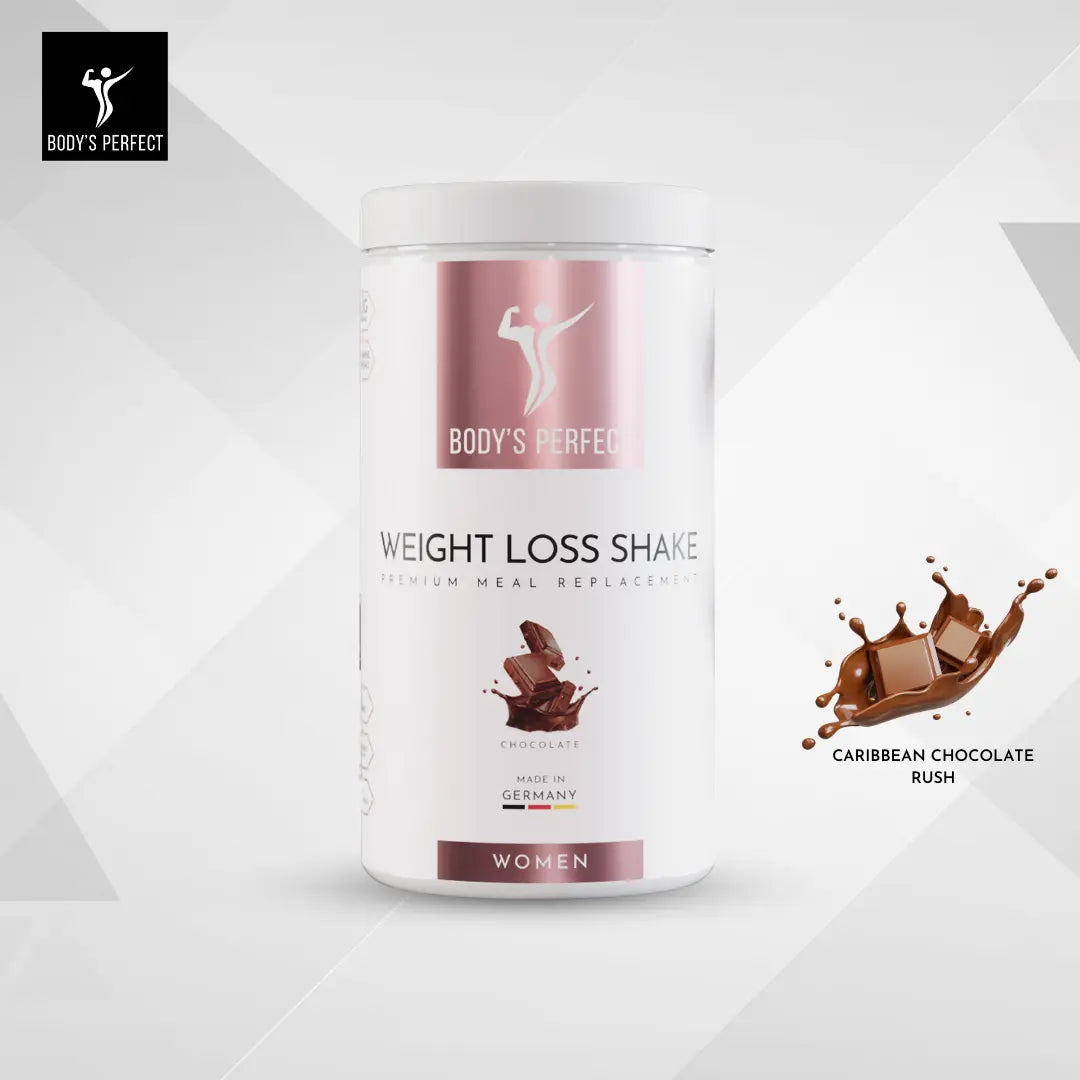
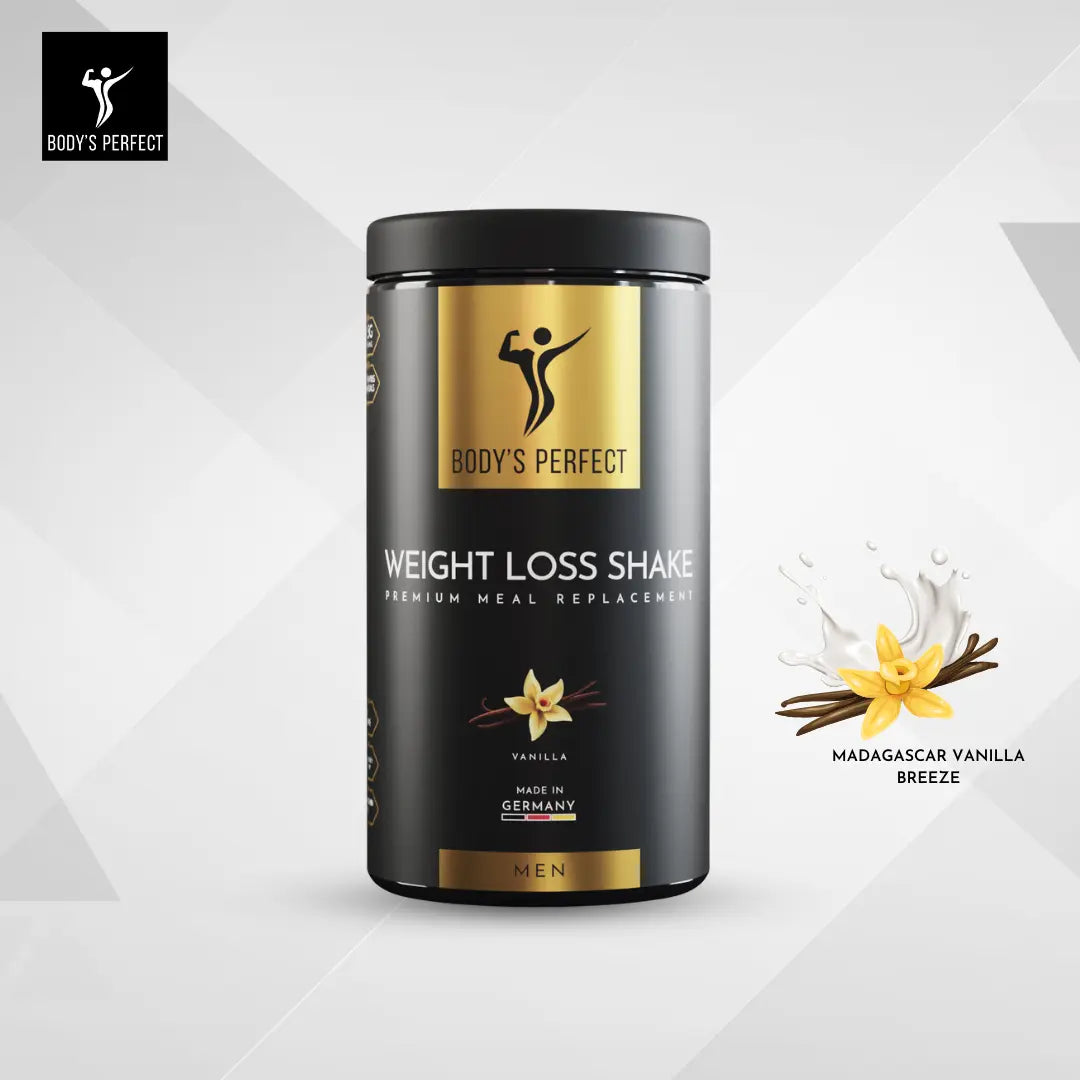
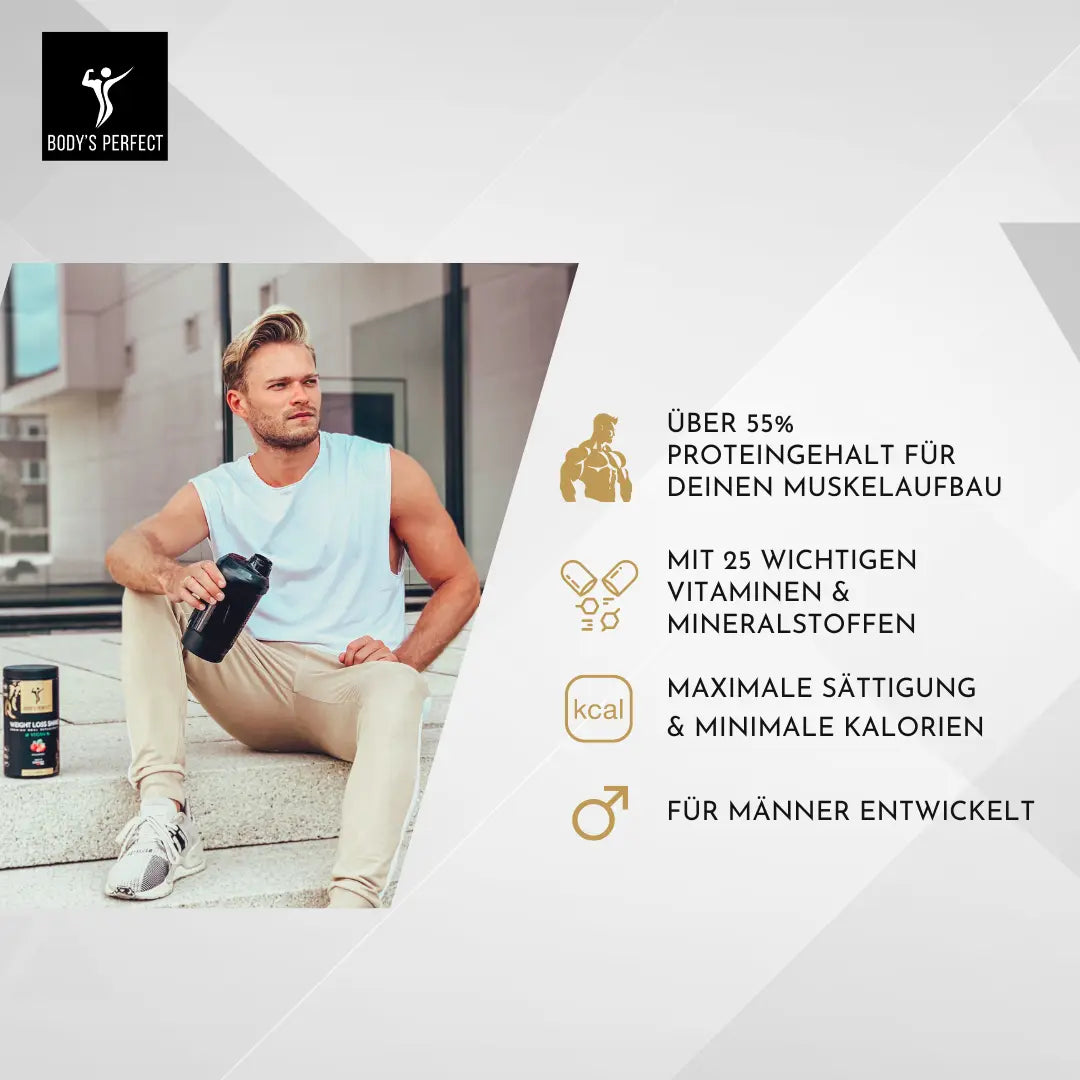
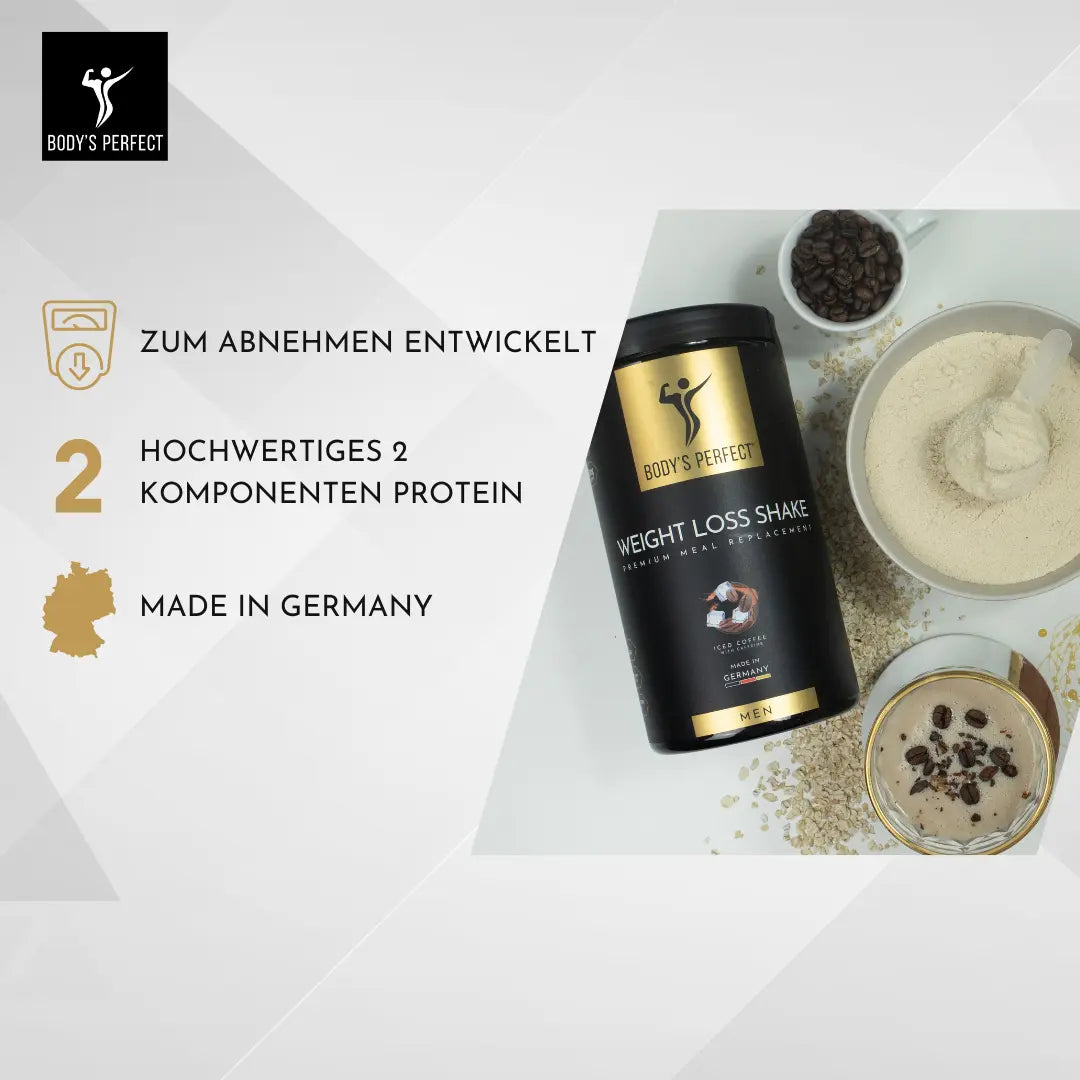
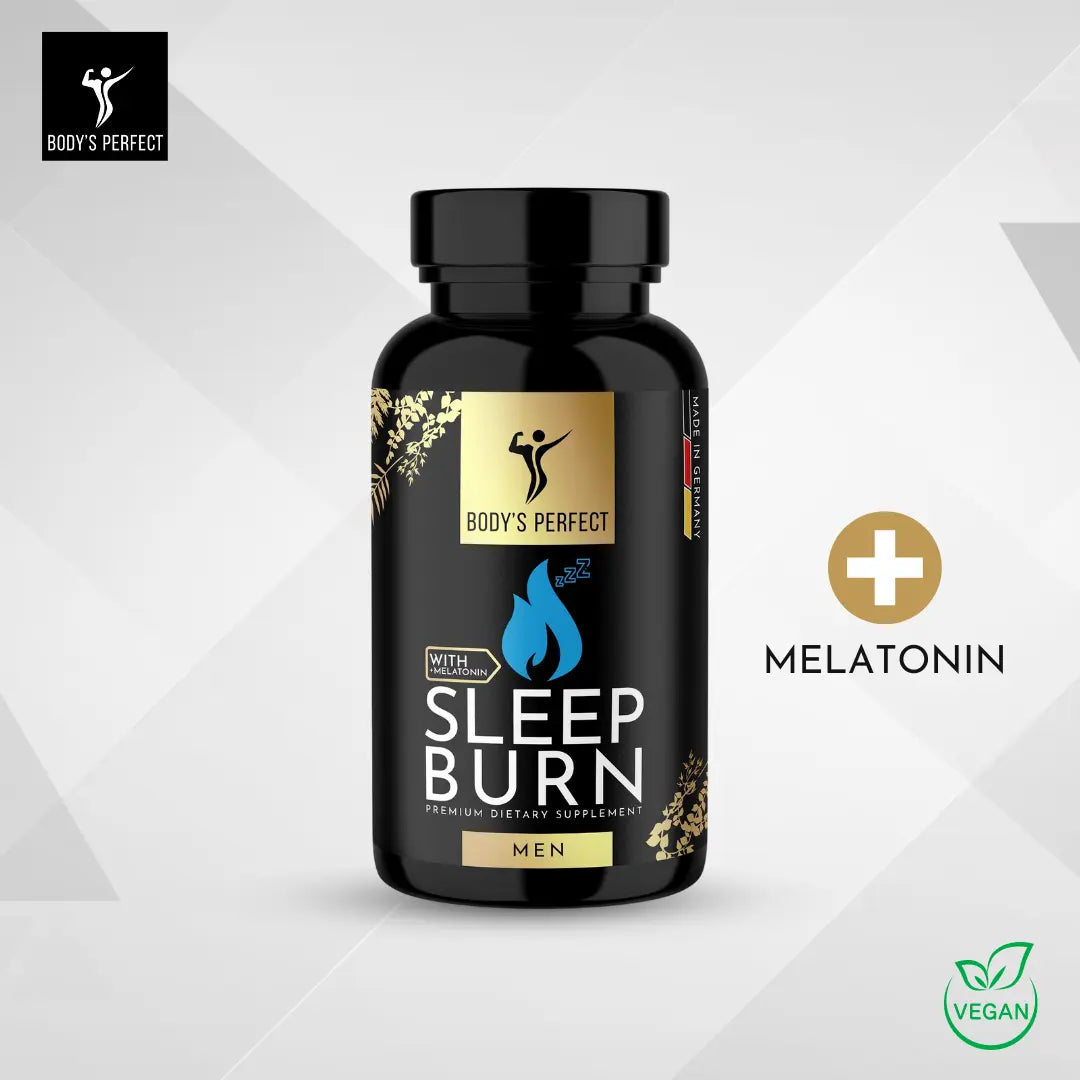
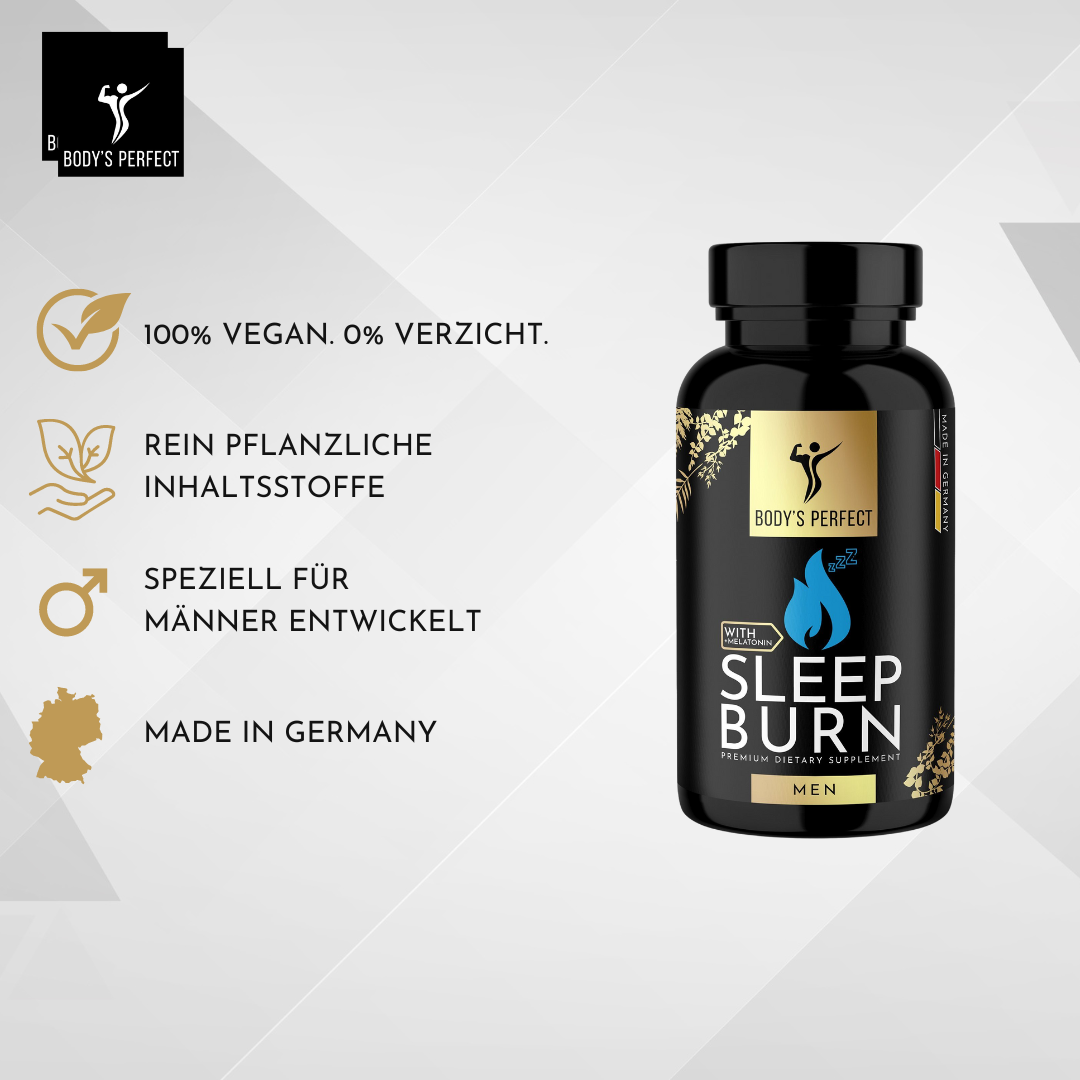
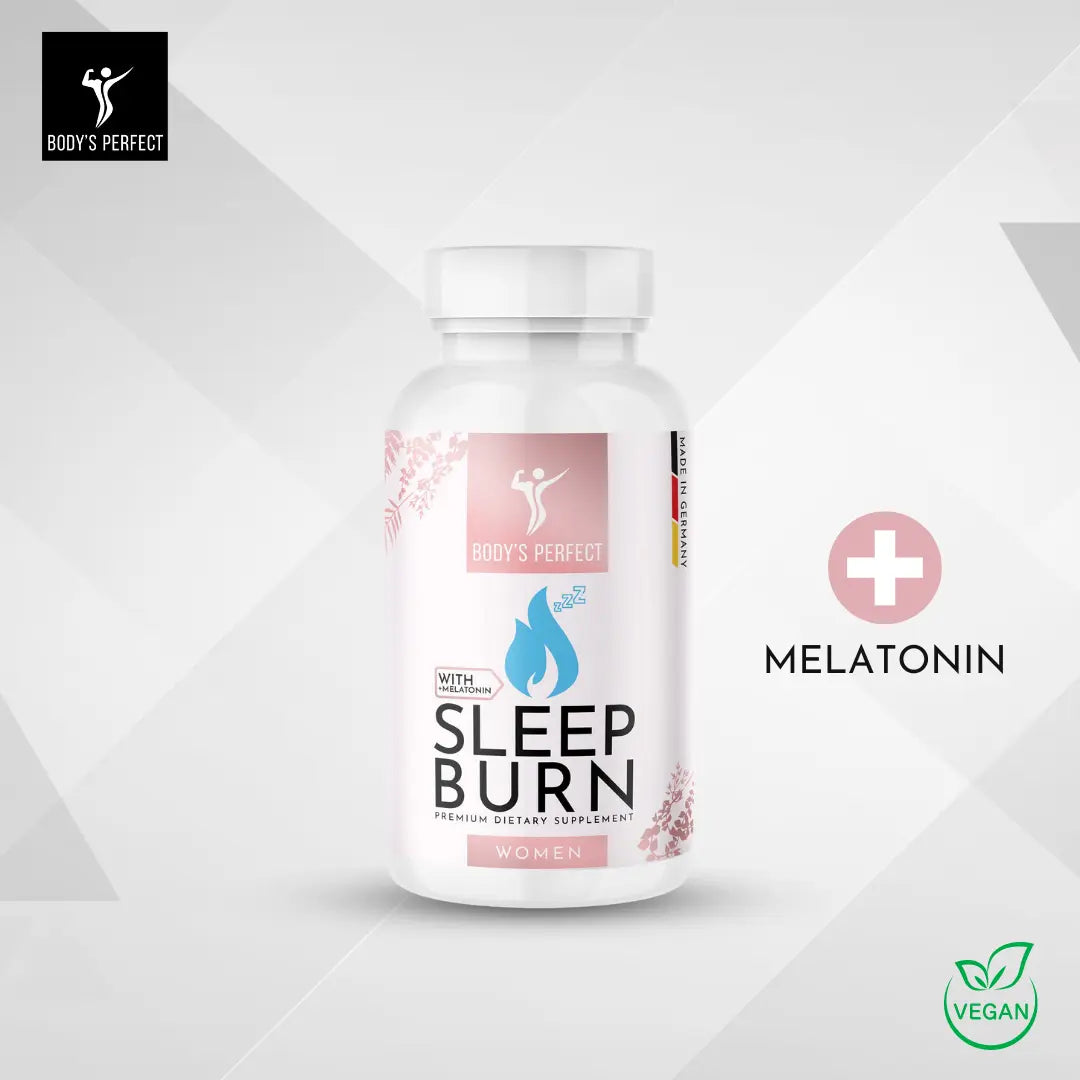
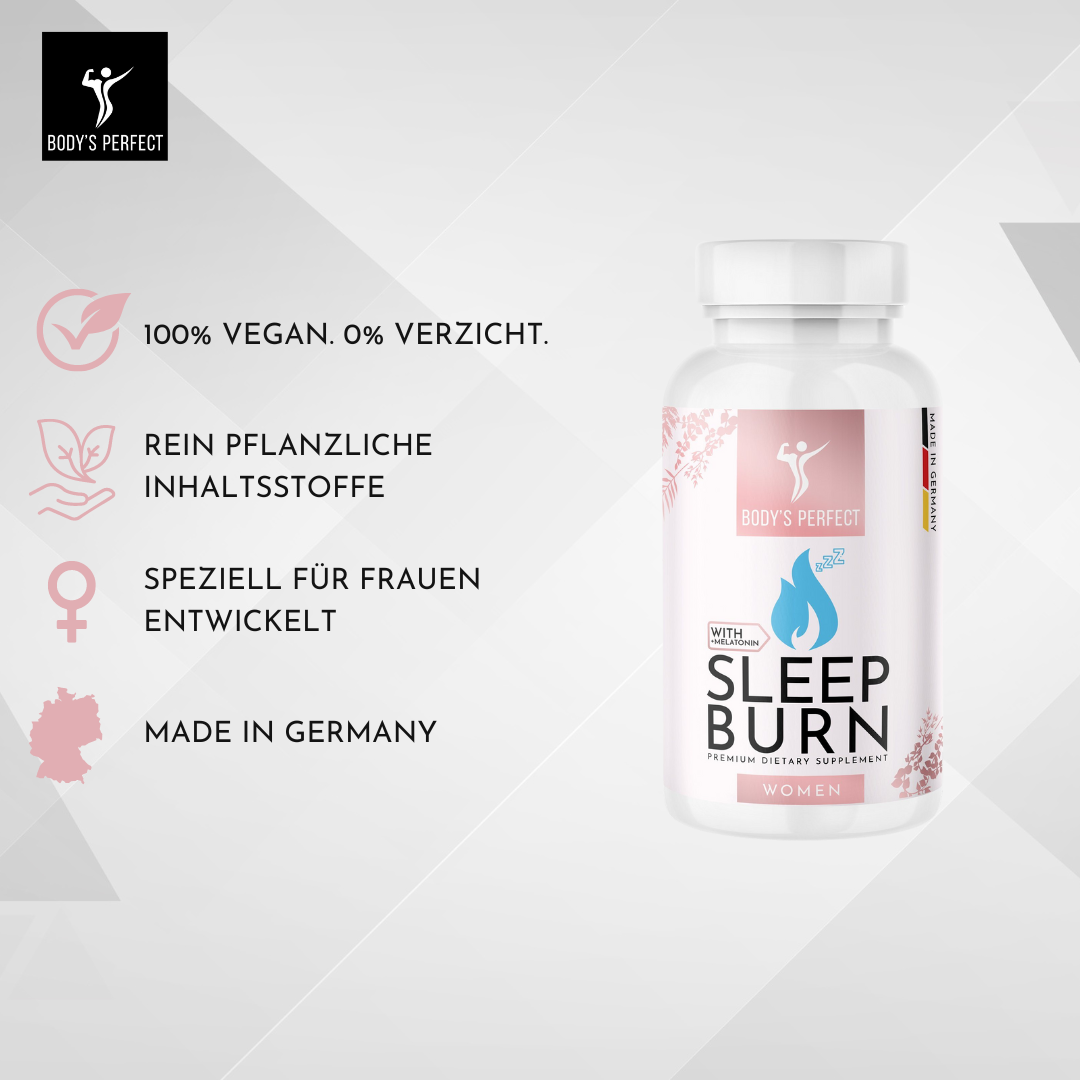
Are you ready to take your fitness goals to the next level with high-quality products made in Germany? Then discover the world of BODY'S PERFECT and find the perfect companions for your journey.











Share:
Fat Burners: What They Can Really Do
The 12 Best Weight Loss Capsules 2025: What Really Works and How Do You Find the Right Ones for You?