

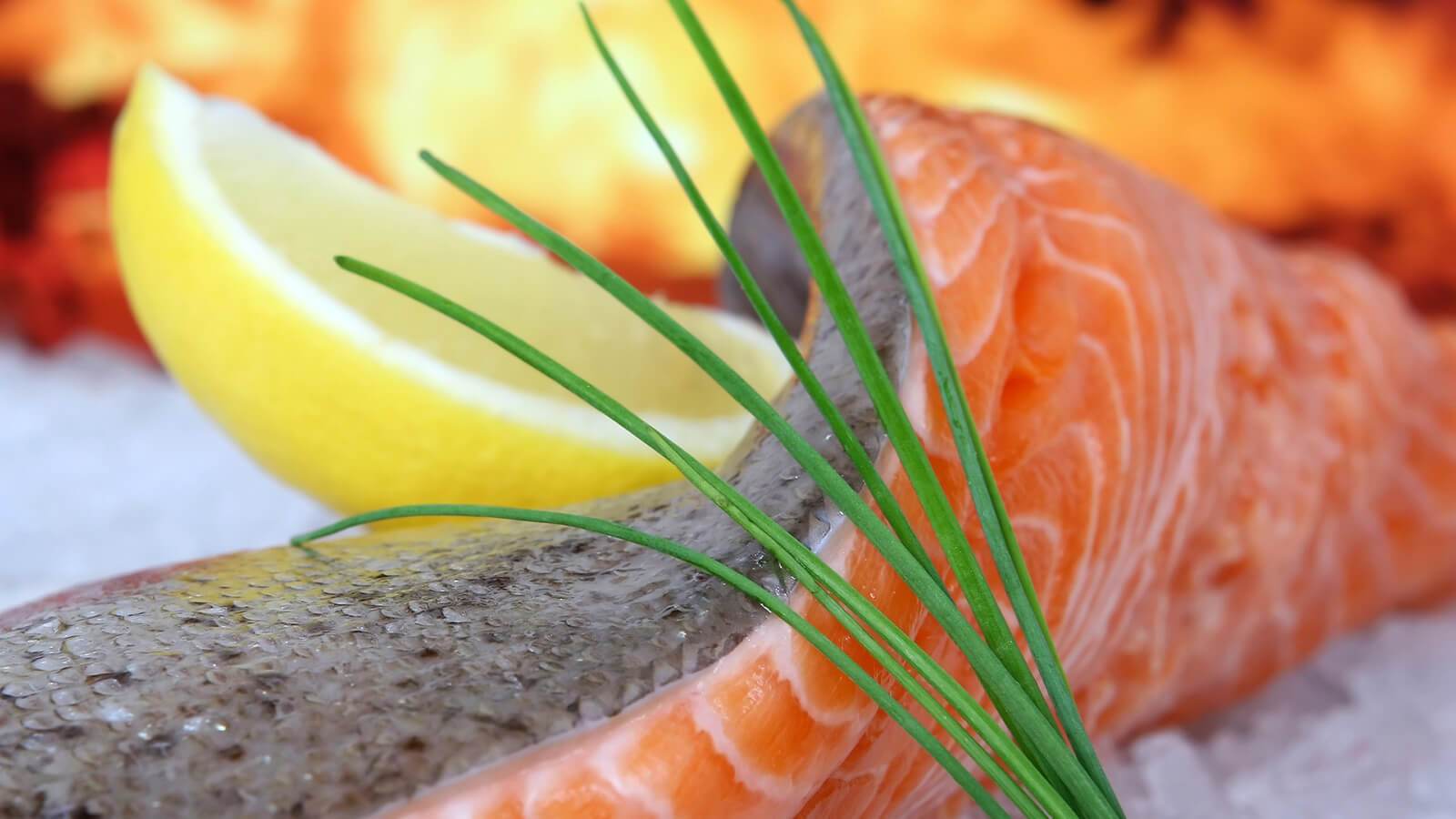
Fats are an important basic component of our diet. But which fats are healthy and which are unhealthy? What should you pay attention to when consuming fatty foods?
Compared to proteins and carbohydrates, fats provide the most energy and are also carriers of fat-soluble vitamins, which the body cannot produce itself and therefore must be absorbed through food. Fats also serve as carriers of flavor and aroma compounds and are thus partly responsible for good taste. However, not all fats are equally healthy for the human body. Fats are characterized by a common basic chemical structure. The so-called fatty acids are an essential component. In a fat molecule, there are either one, two, or three fatty acids. They differ, among other things, in their degree of saturation. These differences in chemical structure also largely determine the quality difference between fats from the perspective of the human body.
Fatty acids can be divided as follows:
- Saturated fatty acids
-
Unsaturated fatty acids
- Monounsaturated
- Polyunsaturated
Fatty acids can be saturated or unsaturated. Saturated fatty acids are those in which all theoretically possible binding sites for hydrogen atoms are occupied. In unsaturated fatty acids, one possible bond at two adjacent carbon atoms is not occupied by hydrogen. Chemically, this is then referred to as a double bond. Depending on whether the hydrogen atoms are on the "same side" or on the "opposite side" as the carbon atoms linked by a double bond, one speaks of a cis or trans configuration.
Unsaturated cis-fatty acids have a more voluminous structure, while those with a trans configuration have a practically similarly elongated and slender structure as saturated fatty acids. In practice, this means that a fat with many monounsaturated and polyunsaturated cis-fatty acids is softer or more liquid than a fat with the corresponding proportions of saturated or trans-fatty acids.
The energy intake from fat should consist of one-third saturated fatty acids and two-thirds unsaturated fatty acids.
Saturated fatty acids
Saturated fatty acids are found in meat and sausage products, milk fat, butter, palm and coconut fat.
Animal fats, e.g., butter, fatty meat and sausage products, and lard, contain more saturated fats than vegetable oils. Of the latter, coconut fat contains larger amounts of saturated fats. In the body, saturated fatty acids can also be formed from glucose (grape sugar) or amino acids. Frequent consumption of saturated fatty acids can increase the risk of cardiovascular diseases. Red blood cells can clump together more, which reduces the transfer of oxygen to the cells. An excess of saturated fatty acids in the phospholipids of cell membranes causes them to become too inflexible to perform the normal functions of cell membranes. Furthermore, an increased intake of saturated fatty acids can raise blood cholesterol levels. In contrast, the intake of polyunsaturated fatty acids can help to lower blood cholesterol concentrations. The average total cholesterol level as well as the LDL and HDL levels of the healthy normal population vary from country to country and are also age and gender dependent. There is a positive correlation between blood cholesterol levels and body mass index.
But what exactly is cholesterol?
Cholesterol, more precisely cholesterol, is a crystalline, fatty natural substance found in all animal cells. It is vital for humans and animals. An elevated cholesterol level causes no symptoms. Only blood tests reveal elevated blood fat levels. A prolonged elevated cholesterol level can lead to arteriosclerosis (atherosclerosis), which, among other things, increases the risk of a heart attack or stroke.
Polyunsaturated fatty acids
Studies have now shown that cold-pressed olive oil lowers cholesterol levels and thus the risk of cardiovascular disease, has a cancer-preventive effect, and can even help with weight loss. Today, research on fat and health is in full swing. Experts agree today: it is primarily unsaturated fatty acids that benefit the human body in many ways.
Polyunsaturated fatty acids are mainly found in plant-based foods and vegetable oils; some of them are widespread in our diet. Like all natural fats, they have their benefits. The body relies on polyunsaturated fatty acids to form the special class of omega fats. Certain omega-3 and omega-6 fatty acids are considered essential because the body cannot produce them itself and they must be supplied through food.
You can find monounsaturated fatty acids in the following foods, among others:
- Olive oil
- Rapeseed oil
- Nuts
- Avocados
- Olives
Polyunsaturated fatty acids, on the other hand, are found in these foods, for example:
- Salmon
- Herring
- Tuna
- Mackerel
- Sunflower oil
- Soybean oil
Omega-3 and Omega-6 Fatty Acids

The omega-3 fatty acid alpha-linolenic acid and the omega-6 fatty acid linoleic acid belong to the polyunsaturated fatty acids and are essential. They cannot be produced by the body itself and must be taken in through food. Omega-6 fatty acids are found, for example, in corn germ, sunflower, thistle, or pumpkin seed oil. Omega-3 fatty acids are found in rapeseed, hemp, flax, soy, or walnut oil and in fatty fish (e.g., mackerel, salmon, tuna, herring, and native cold-water fish such as char). Omega-3 fatty acids reduce the risk of elevated triglyceride levels, high blood pressure, and coronary heart disease. Omega-6 fatty acids counteract the risk of lipid metabolism disorders. It's all about the ratio!
The development of humankind is based on a diet with an omega-6 to omega-3 ratio of 2:1. In our Western diet, however, this ratio is often already 10:1 to 20:1. Omega-3 and omega-6 fatty acids are somewhat like a temperamental married couple: ideally, they complement each other perfectly, but if the ratio is not right, they are each other's greatest enemy. Therefore, it is important to consume both fatty acids in an optimal ratio. Omega-6 and omega-3 fats use the same proteins and biochemical processes when converting into substances useful for the body. If one group of fatty acids dominates, it "sucks up" all resources (enzymes and micronutrients) and thus occupies all conversion capacities. In this way, they influence the by-products that are formed. As a result of too high omega-6 levels, a dysregulation of the inflammatory response occurs first and foremost. Omega-6 and omega-3 fatty acids are the precursors for hormone-like substances (called eicosanoids) that control the body's inflammatory response. The ratio of these two types determines the ability to respond well or poorly to inflammation. In addition, the content of omega-6 and omega-3 in the cell membrane determines the structure of the cell as well as its ability to communicate, replicate, and build the organ structure, blood vessels, and central nervous system. Science shows that by eating the right fats, one can lose weight, reduce inflammation, and effectively combat heart disease, type II diabetes, and many other chronic diseases. Omega-3 and omega-6 fatty acids are also of great importance for inflammatory rheumatic diseases, as these polyunsaturated fatty acids regulate inflammatory processes. While arachidonic acid, an omega-6 fatty acid, promotes inflammation, omega-3 fatty acids form the anti-inflammatory counterpole.
The recommended intake for adults is 2.5% of daily energy intake for linoleic acid (about 6-8g) and 0.5% for α-linolenic acid (about 1.5g). A ratio of consumed omega-6 to omega-3 fatty acids of 5:1 or less is desirable, so not too many omega-6 fatty acids should be consumed.
5 tips for balanced fat consumption:
- Prepare your own food! This is the only way to be sure what fats you are consuming.
- Avoid milk fat and butter as much as possible, as well as products with palm fat! One buttered bread a day and a glass of milk (3.6%) cover the requirement for saturated fatty acids.
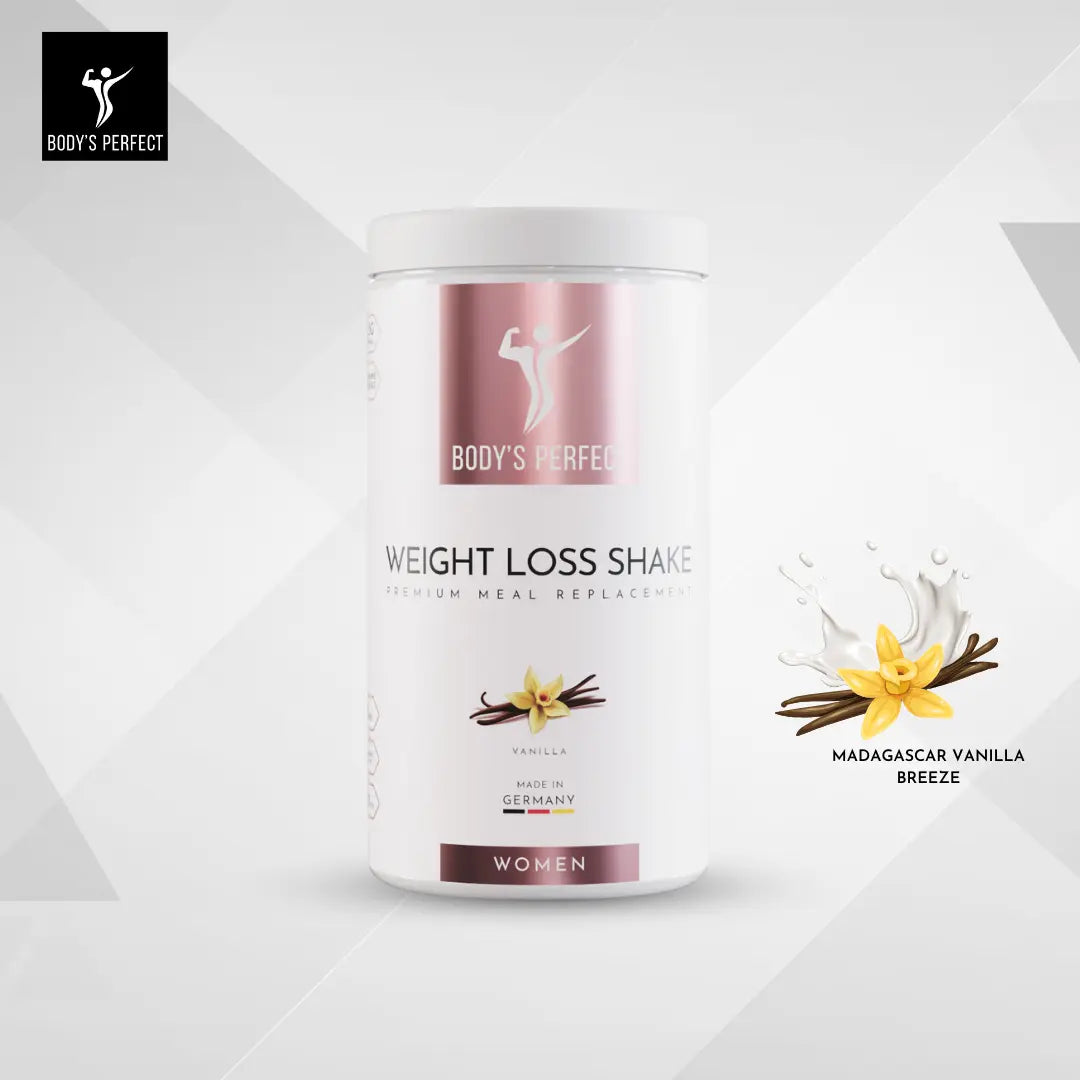
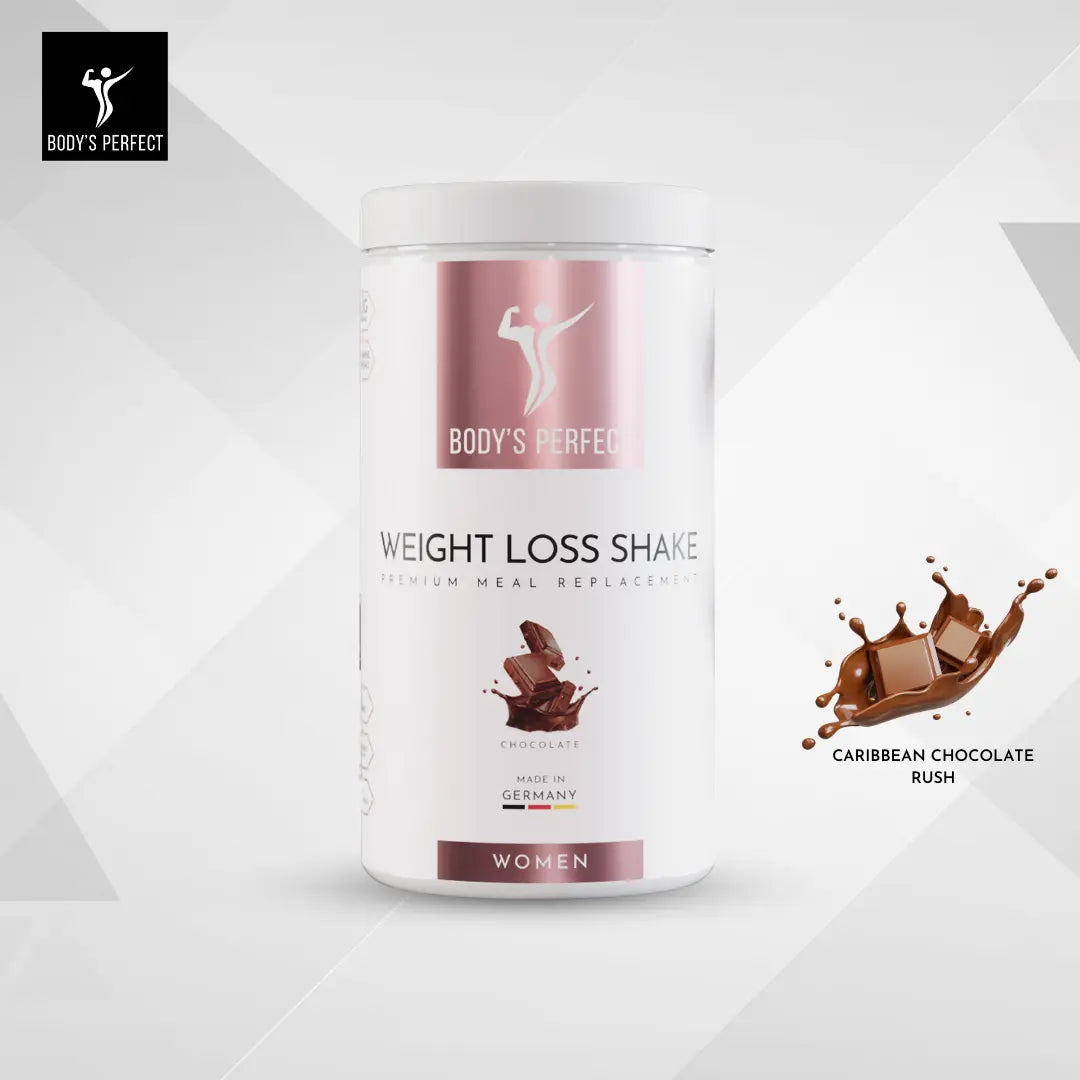
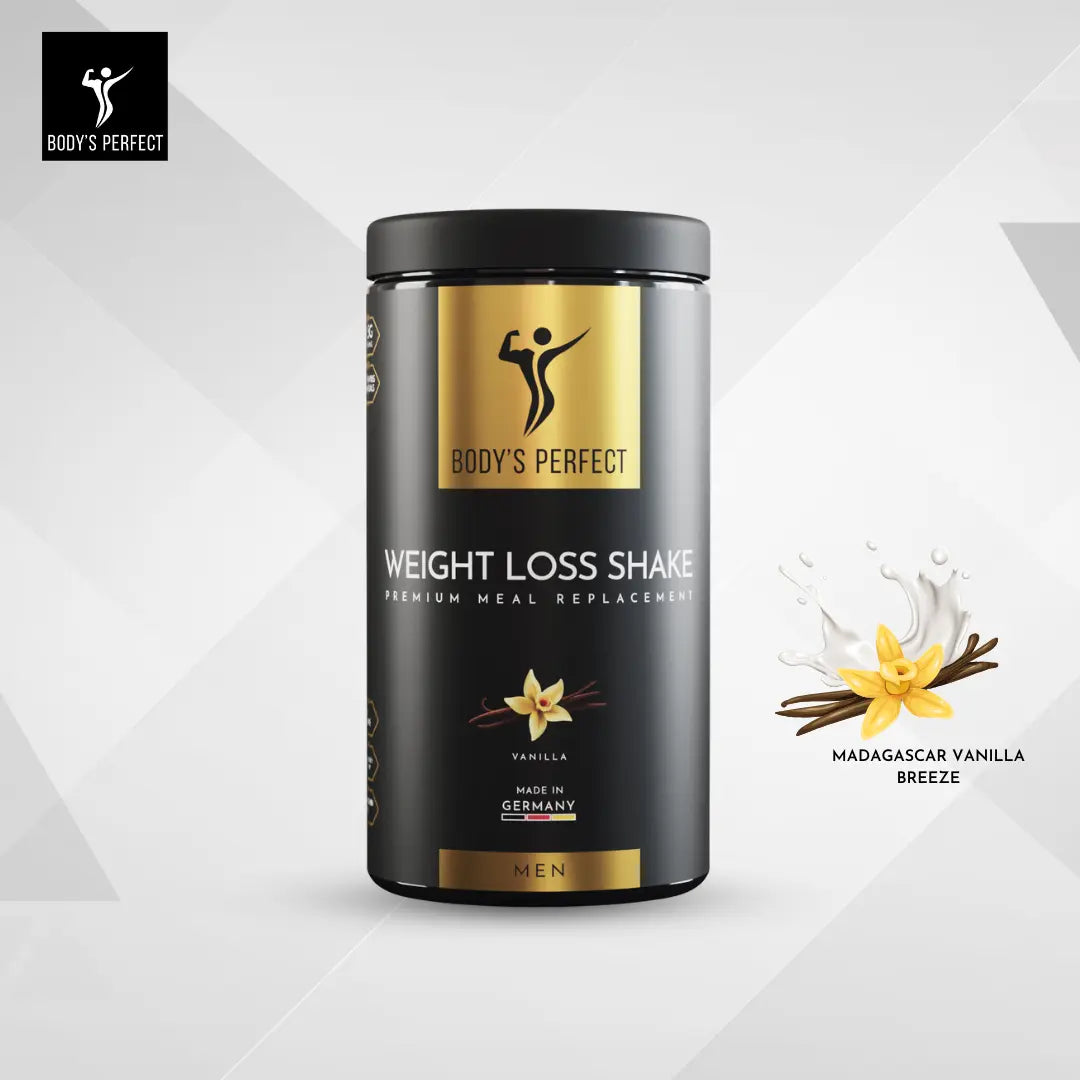
- Make muesli for breakfast with low-fat yogurt and add fruits, nuts, and seeds. We recommend hemp and chia seeds (30g each). A scoop of our Weight Loss Shake adds that certain something to the meal for a perfect start to the day.
- Avoid fatty sweets like milk chocolate! Our Slim Capsules can help you curb your hunger and prevent cravings.
- Place vegetables and plant-based products at the top of your diet plan and eat meat no more than twice a week. Chicken and fish are very low in fat, as is beef compared to pork.
Let's summarize:
Fat is not all the same. Only 10% of daily energy intake should come from fat from butter, milk, or coconut. Healthy fats can be found in fish and plant-based products as well as nuts and seeds. Further information and tips on your diet can be found in our blog!



























Share:
The Best Weight Loss Tips for Men
5 Healthy Habits for Weight Loss