

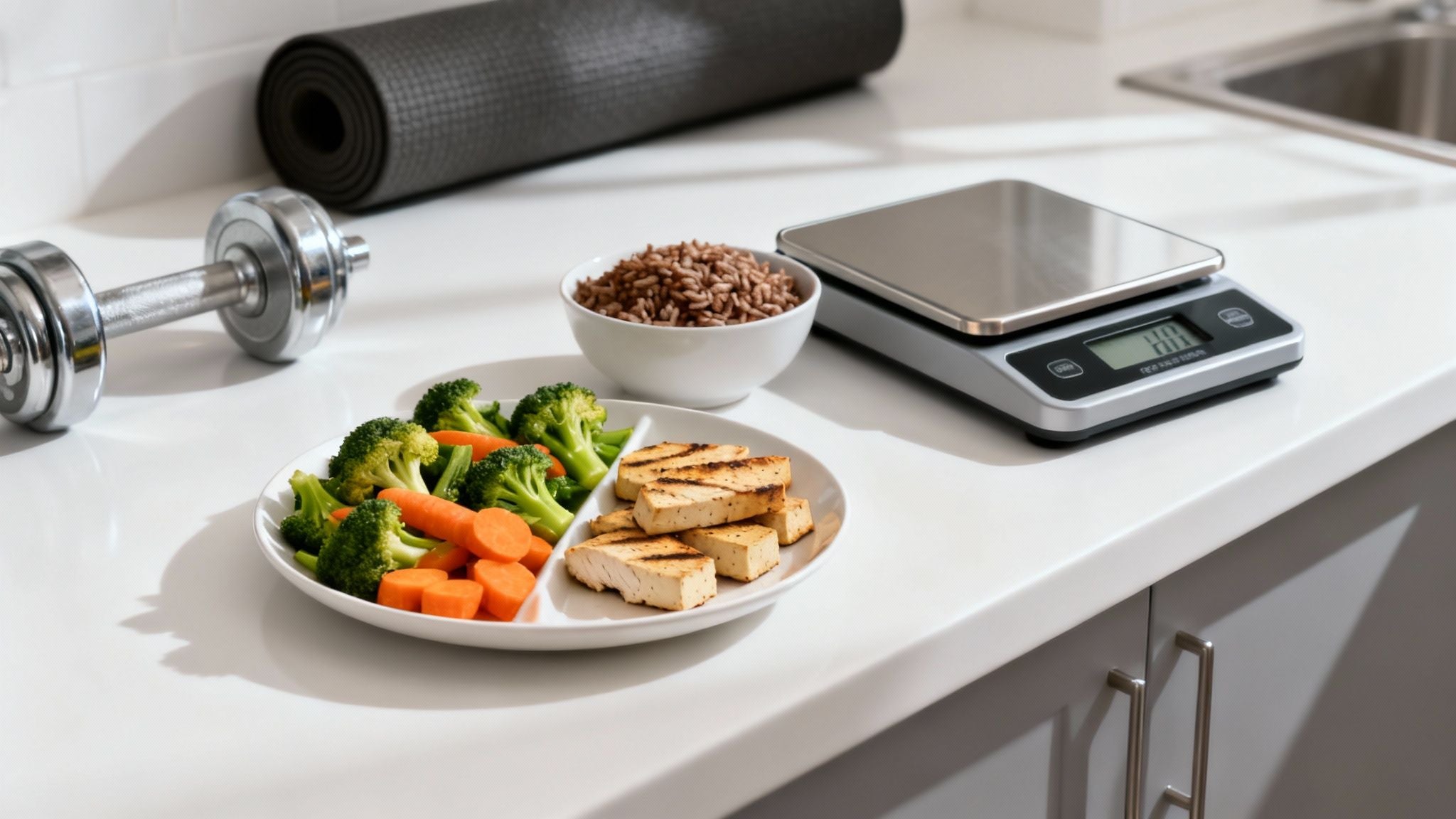
Losing fat and building muscle simultaneously? This sounds contradictory to many, but it is absolutely achievable. It's called body recomposition. The trick is a clever nutrition plan for fat loss and muscle gain that pairs a moderate calorie deficit with high protein intake. This way, you sculpt your body specifically, rather than just losing weight.
How Fat Loss and Muscle Gain Really Work Together
Forget the old notion that you have to choose: either diet or build muscle. You can do both simultaneously if you do it right. Instead of just focusing on the scale, you actively reshape your body.
The principle behind it is quite logical: you make your body tap into fat as an energy source, while simultaneously giving it all the building blocks it needs to maintain valuable muscle mass and even build new muscle.
The Three Pillars of Your Success
Your success in body recomposition rests on three solid pillars. Each is important individually, but only their interplay truly brings you to your goal. This table summarizes the most important factors for your success.
| Factor | Why it's crucial | How to implement it |
|---|---|---|
| Smart Calorie Deficit | Signals the body to use fat reserves without attacking muscles. | Reduce your daily calorie intake by a moderate 300-500 kcal. |
| High-Protein Diet | Protects existing muscles and provides building blocks for new muscle tissue. | Eat 2.0 to 2.4 g of protein per kg of body weight daily. |
| Targeted Strength Training | Sets the growth stimulus and shows the body that muscles are needed. | Train 3-5 times a week with progressive resistance. |
If you consistently implement these three points, you will create the ideal environment for a sustainable transformation.
The following infographic beautifully illustrates how this balance of nutrition and training can look on your plate:
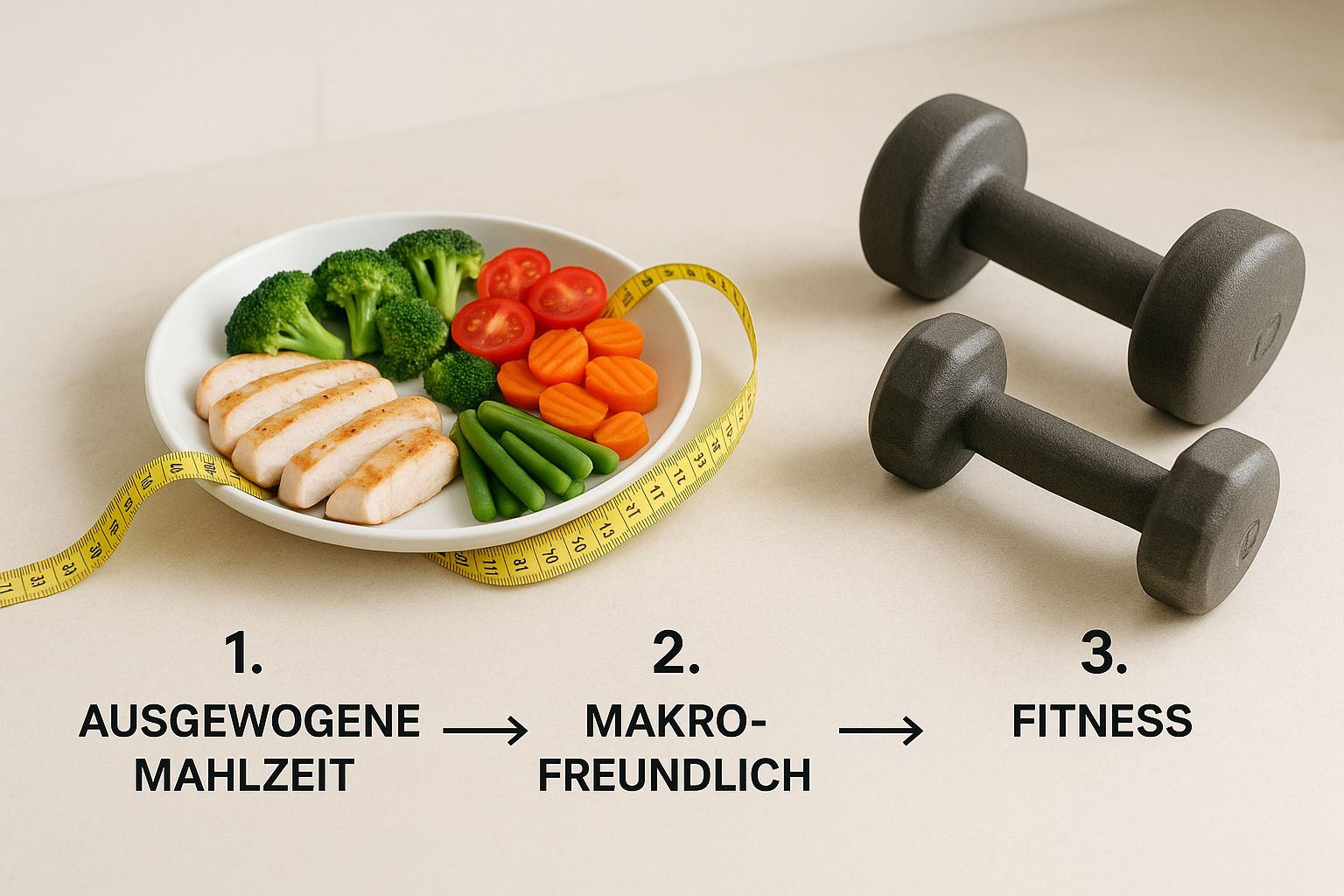
It's clear to see: a balanced meal and the right training are two sides of the same coin on the way to your goal.
Why the Right Amount of Protein Changes Everything
Honestly, protein is your most important ally. It keeps you feeling full for a long time, boosts your metabolism, and is the foundation for repairing and building your muscles (the so-called muscle protein synthesis). If you skimp on protein, you risk your body burning not only fat but also hard-earned muscle in a calorie deficit.
The crucial factor is to signal to the body through the combination of high protein intake and strength training: "Keep the muscles, burn the fat!"
To get the most out of it, a value of about 2.0 to 2.4 grams of protein per kilogram of body weight per day has proven effective in practice. For an 80 kg athlete, this means consuming between 160 and 192 grams of protein daily. This ensures muscle protection, even when you eat fewer calories.
This targeted nutrient control is the core of every good plan. Do you want to delve deeper into the matter? Then be sure to check out our detailed article on nutrition tips for muscle building.
Calculate Your Personal Calorie and Macro Targets
Before you even think about creating a nutrition plan for fat loss and muscle gain, we need to establish the foundation. It's about giving your body exactly what it needs – not too much, not too little. The whole secret lies in calculating your personal needs. And don't worry, it sounds more complicated than it is.
Every body is different. That's why most standard off-the-shelf plans fail. Your age, weight, height, and especially how active you are in everyday life, determine how much energy you actually burn. Let's go through this together now, so you'll have your very own numbers in hand at the end.
Find Your Optimal Calorie Target
It all starts with your actual energy consumption. The basis is the Basal Metabolic Rate (BMR) – this is the energy your body consumes at complete rest, just to stay alive (i.e., for breathing, heartbeat & Co.).
But you're not just lying in bed all day. Your job, your hobbies, and of course your training cost extra energy. Adding all of this together gives you your Total Daily Energy Expenditure (TDEE). This is the amount of calories you would need to eat daily to maintain your weight.
To specifically lose body fat, you need a moderate calorie deficit.
The word "moderate" is key here. Too extreme a deficit forces your body to sacrifice valuable muscle mass and slow down its metabolism. We definitely want to prevent that.
As a rule of thumb, a deficit of 300 to 500 calories below your calculated TDEE has proven effective. This is enough to effectively stimulate fat loss, but at the same time so small that your muscles and your performance in training remain protected. You can also find detailed instructions on this in our guide to calculating your total energy requirements, which will help you find your exact values.
Divide Macronutrients Correctly
Okay, your calorie goal is set. Now comes the fine-tuning: the distribution of macronutrients. Because whether your body burns fat or builds muscle largely depends on how you distribute your proteins, fats, and carbohydrates.
1. Proteins have absolute priority Proteins are the building blocks of your muscles and thus your most important partner in this project. They protect your muscle mass in a calorie deficit and signal to your body that it should repair and build.
- Your goal: Aim for 2.0 to 2.2 grams of protein per kilogram of body weight.
- Practical example: A person weighing 75 kg should therefore consume around 165 grams of protein daily (75 kg x 2.2 g).
2. Healthy fats for stable hormone balance Fats are vital, especially for a healthy hormone balance – keyword testosterone, which also plays a role for women in muscle building. They are also a valuable source of energy.
- Your goal: Approximately 20 to 25% of your total calories should come from high-quality fats.
- Practical example: With a calorie target of 2,200 kcal, this would be 440 to 550 kcal. Since 1 gram of fat has 9 kcal, this amounts to 49 to 61 grams of fat per day.
3. Carbohydrates as fuel for your training The remaining calories are filled with carbohydrates. They are the primary energy source for your brain and muscles, especially when things get intense during training.
- Your goal: Fill the rest of your calorie budget with carbohydrates.
- Practical example: Let's stick with the 75 kg person with 2,200 kcal. 165 g protein (660 kcal) and 55 g fat (495 kcal) are already accounted for. This leaves 1,045 kcal for carbohydrates. Since 1 gram of carbohydrates has 4 kcal, this results in around 261 grams of carbohydrates daily.
A Concrete Example from Practice
Let's make it even more tangible. Let's take an active person weighing 75 kg, whose TDEE is 2,700 kcal.
- Calorie target: 2,700 kcal (TDEE) - 500 kcal (deficit) = 2,200 kcal per day
- Protein requirement: 75 kg x 2.2 g = 165 g protein (corresponds to 660 kcal)
- Fat requirement: 2,200 kcal x 25 % = 550 kcal / 9 kcal/g = approx. 61 g fat
- Carbohydrate requirement: 2,200 kcal - 660 kcal - 550 kcal = 990 kcal / 4 kcal/g = approx. 248 g carbohydrates
With these individual figures, you have laid the perfect foundation. You now know exactly how much you should eat and how to put your meals together so that fat loss and muscle gain go hand in hand.
Choosing the Right Foods for Your Success
Your calculated calorie and macro targets are the framework of your plan. But honestly, numbers are only half the battle. The quality of the food you eat determines how you feel, how your body performs, and whether you stick with it long-term. A solid nutrition plan for fat loss and muscle gain stands and falls with nutrient-rich, as unprocessed as possible foods.
Imagine your shopping cart is your toolbox. Now it's about filling it with the best building blocks for your body. Your body is like a high-performance engine – the better the fuel, the smoother it runs. Empty calories from sugar and heavily processed products are like cheap gasoline. They might get you from A to B quickly, but in the long run, they ruin the engine.
Focus on High-Quality Protein Sources
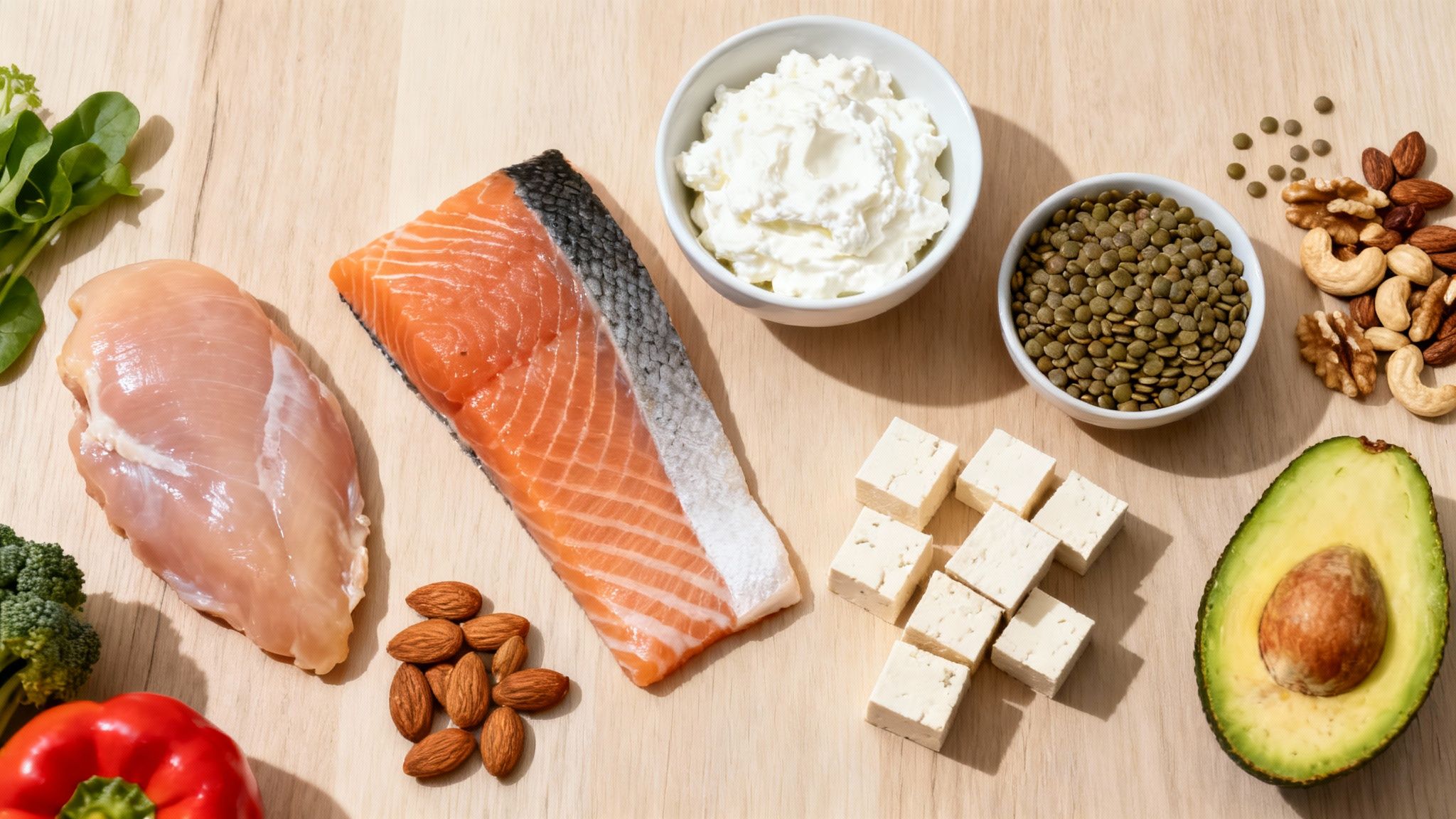
Proteins are your most important partner on this journey, as we've already established. They keep you full, protect your muscles from breakdown, and boost recovery. But not all protein is created equal. It's worth focusing on lean and nutrient-rich sources to optimally meet your needs.
Here are some of my favorites that should be in every fridge:
- Lean meat & poultry: Chicken or turkey breast and lean beef are absolute classics. They provide a complete amino acid profile – perfect for muscle building.
- Fish & seafood: Salmon, tuna, or shrimp not only bring protein to the table but also valuable omega-3 fatty acids, which are great for fighting inflammation in the body.
- Dairy products: Low-fat quark, skyr, and Greek yogurt are true protein bombs. Ideal as a snack in between meals or as a post-workout meal.
- Plant-based power: Lentils, chickpeas, tofu, and tempeh are ingenious plant-based alternatives that also provide you with important fiber.
Choose Complex Carbohydrates for Sustained Energy
Carbohydrates are not the enemy! On the contrary, they are the fuel for your training. Without them, you'll lack power in the gym. The trick is simply to choose the right ones. Steer clear of sugar, white flour, and sweets that send your blood sugar plummeting.
Instead, focus on complex carbohydrates. Your body digests them more slowly, which provides you with consistent energy for hours and keeps you feeling full for much longer.
This is how you refuel properly:
- Whole grain products: Opt for whole grain bread, whole wheat pasta, and brown rice. That makes a huge difference.
- Oatmeal: The classic breakfast. Provides energy and fiber for a perfect start to the day.
- Legumes: Beans, lentils, and chickpeas are an unbeatable combination of carbohydrates and plant-based protein.
- Vegetables: Yes, vegetables also provide carbohydrates! Broccoli, spinach, and especially sweet potatoes are packed with vitamins and are a fantastic energy source.
If you need more ideas, check out our article on foods that help with weight loss.
Integrate Healthy Fats for Hormone Balance and Health
Fats are vital, especially for a stable hormone balance. Don't underestimate that! Good, unsaturated fatty acids support your body in countless processes and belong firmly in your diet.
Here's what you should reach for:
- Avocados: A real superfood, rich in healthy fats and nutrients.
- Nuts and seeds: Almonds, walnuts, chia, and flaxseeds are the perfect snack or a crunchy topping for your yogurt.
- High-quality oils: Olive oil, flaxseed oil, and avocado oil are ideal for salads or gentle cooking.
Don't Forget Micronutrients and Fluids
Vitamins, minerals, and water – these are the silent heroes of your success. They are involved in virtually every metabolic process, aid in regeneration, and keep your immune system fit.
Make it a habit to eat a colorful mix of fruits and vegetables every day. And most importantly: drink at least 2-3 liters of water daily. Your body will thank you with more energy and a better feeling. This way, your shopping becomes a breeze and your body gets exactly the fuel it needs for your goals.
Make Your Nutrition Plan Practical for Everyday Life
Okay, the numbers are set, and you know which foods will get you to your goal. Perfect! But let's be honest: The best nutrition plan for fat loss and muscle gain is useless if it doesn't work in real life. Now it's time for the nitty-gritty – we're putting theory into practice, in a way that doesn't require you to turn your entire life upside down.
The good news is: there's no single right way. Whether you prefer to eat three large meals or snack throughout the day depends entirely on your rhythm, your job, and simply your preferences. The important thing at the end of the day is that the balance is right and you meet your calorie and macro targets.
Three Large or Six Small Meals?
This question is a real classic, and the answer is quite simple: both work. It just depends on what suits you and your daily routine better.
-
The classic approach with 3 meals: Breakfast, lunch, dinner. This rhythm is super easy for many to implement because we're so used to it. You have less to plan and can look forward to really big, satisfying portions. The catch? Longer breaks can occur between meals, during which cravings may appear.
-
The athletic approach with 5-6 meals: Here you eat three main meals and squeeze two to three smaller snacks in between. This keeps your blood sugar levels nicely stable and can curb nasty hunger pangs right from the start. It's also often easier to distribute the high protein intake over many small portions. However, this naturally requires a bit more planning and preparation (keyword: meal prep).
My tip: Just try both for a week. Your body will quickly signal to you what it gets along with better.
The Right Timing Around Training
While you can be relaxed about meal frequency, you should pay a little more attention to nutrition around your workout. Here, with the right nutrients at the right time, you can directly increase your performance in the gym and massively accelerate recovery afterward.
Before training: Fuel up
Approximately 60 to 90 minutes before exercise, you should give your body easily digestible energy. A mix of complex carbohydrates and a small portion of protein is ideal here.
A good pre-workout meal replenishes your energy stores and protects your muscles without feeling heavy in your stomach. This gives you the power you need for intense squats or bench presses.
After training: Initiate recovery
Immediately after training, your body is like a sponge – it literally soaks up nutrients. A meal of quickly available carbohydrates and high-quality protein within one to two hours after your workout is optimal. The carbohydrates replenish empty stores, and the protein immediately starts repairing and building your muscles.
What This Can Look Like in Practice
To give you a concrete idea, I've put together an example day. It's designed for approximately 2,200 calories, but you can, of course, easily adjust the portion sizes to your own goals.
Example Daily Plan for approx. 2200 kcal
This is what a day perfectly tailored for fat loss and muscle gain could look like.
| Meal | Dish | Macros (approx.) |
|---|---|---|
| Breakfast | Large bowl of low-fat quark with oats, fresh berries, and a spoon of chia seeds. | P: 45g, C: 50g, F: 15g |
| Lunch | 150g chicken breast with 250g sweet potatoes and a large portion of broccoli. | P: 40g, C: 60g, F: 10g |
| Snack (Pre-Workout) | One banana and a handful of almonds. | P: 5g, C: 30g, F: 15g |
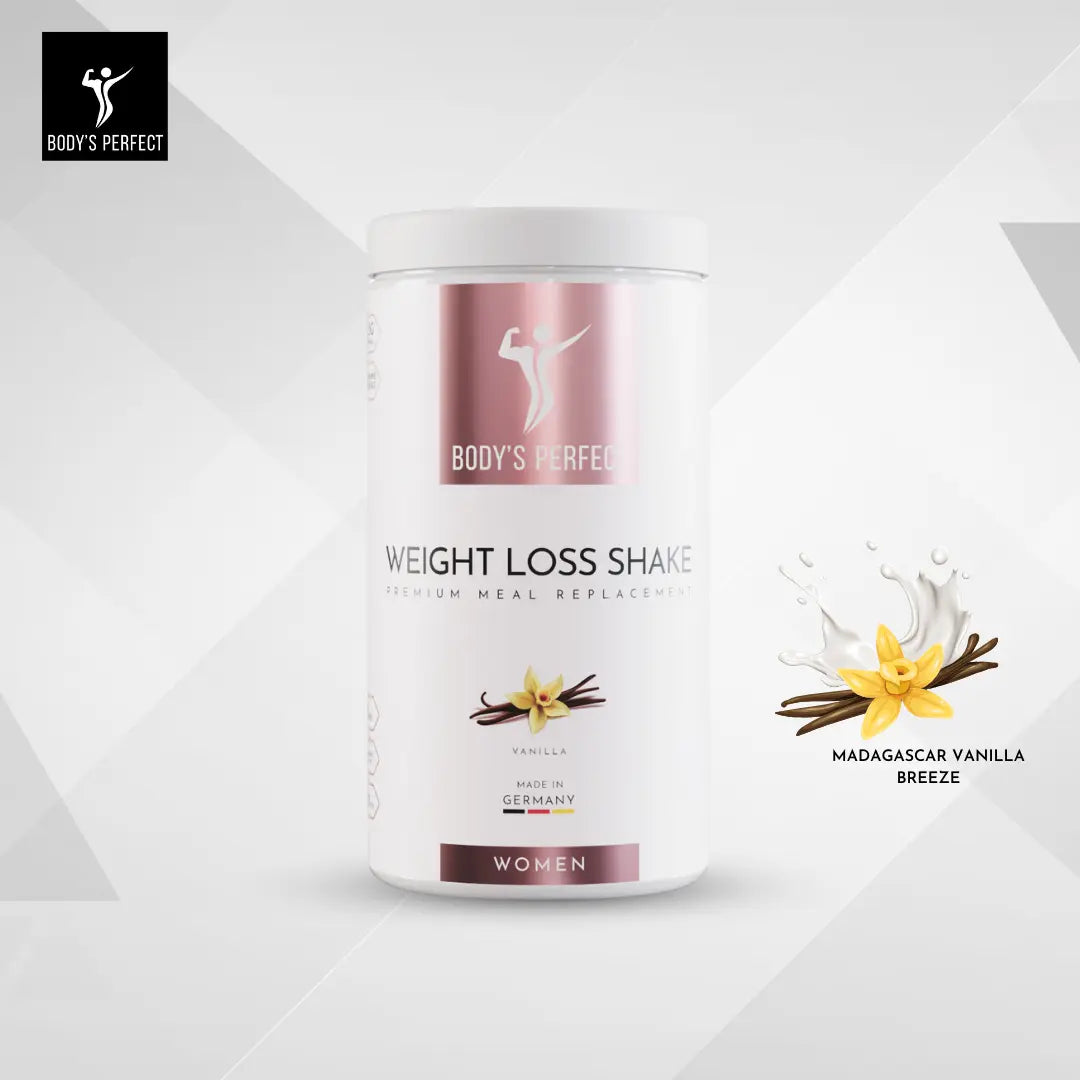
| Post-Workout | A protein shake (e.g., from BODY'S PERFECT) and an apple. | P: 30g, C: 25g, F: 2g |
| Dinner | 180g salmon fillet with a large green salad and an olive oil dressing. | P: 40g, C: 10g, F: 30g |
This plan is, of course, just a suggestion. Swap out foods you don't like and play with the quantities until it suits you.
Your Key to Success: Meal Prep
We all know the feeling: a stressful day, no time to cook, and suddenly an unhealthy frozen pizza lands in the shopping cart. The solution that will save your butt is called Meal Prep. Simply take two hours on Sunday to prepare your meals for the next few days.
Here’s how:
- Plan your week: What do you want to eat? Write it down.
- Shop smartly: Create a shopping list so you don't forget anything and only buy what you need.
- Pre-cook cleverly: Prepare base components like rice, quinoa, chicken, or lentils in larger quantities.
- Portion everything: Fill your prepared meals into containers, put the lid on, and store them in the fridge.
With this simple strategy, you’ll always have a healthy, suitable meal ready. This not only saves an incredible amount of time and nerves but also ensures that you consistently follow your nutrition plan for fat loss and muscle building.
Why Training and Recovery Decide Everything
Your nutrition plan is the fuel, clear. But training is the engine that gets everything going. Without the right training stimulus and the necessary recovery afterwards, even the best nutrition plan for fat loss and muscle building will simply fizzle out. You have to see it as a triad: nutrition, training, and recovery. Only when all three work together perfectly can you create the foundation for real, sustainable change.
Picture it: You provide the best materials (your nutrition) to a construction site, but the construction workers (your muscles) don't even know what they're supposed to build. You give them this blueprint with targeted strength training. You unequivocally signal to your body: "Hey, those nutrients arriving here? We need them for muscle maintenance and growth!"

Give Your Muscles a Reason to Grow
The magic word here is progressive strength training. It sounds complicated but just means one thing: You have to increase your efforts from one workout to the next. Your body is clever and lazy – it gets used to a load incredibly quickly. So, to force it to grow, you constantly have to increase the stimulus a little bit.
This can be done in various ways:
- More weight: The classic. As soon as you can perform an exercise with good form, add a little more weight next time.
- More repetitions: Can't increase the weight yet? No problem. Just try to do one or two more repetitions than last time.
- More sets: Another option is to increase the total volume by doing one more set per exercise.
It becomes particularly effective when you focus on the big compound exercises. Squats, deadlifts, bench presses, pull-ups – these exercises engage multiple muscle groups simultaneously. This not only provides a much stronger growth stimulus but also burns significantly more calories than isolation exercises like bicep curls.
The Most Underrated Factor: Recovery
One point many people forget: You don't grow during training, but in the breaks in between. Recovery isn't passive sitting around. It's an active process where your body processes the stimuli, repairs damage, and prepares for the next exertion. Neglecting this part sabotages yourself.
The most important lever for good recovery remains sleep. At night, your body releases growth hormones that are absolutely crucial for repairing muscle fibers.
Your goal should be 7 to 9 hours of good sleep per night. This is often more effective than any expensive supplement and lays the foundation for your hormones, energy, and muscle growth.
In addition to sleep, active recovery also helps. Light exercise like walks, stretching, or yoga on rest days boosts circulation and can alleviate muscle soreness. This optimally prepares your body for the next intense session.
Nutrition as the Engine of Recovery
Your nutrition is not only the fuel for training but also the building material for repair afterward. Especially the post-workout meal plays an important role in kickstarting regeneration processes immediately. A clever combination of proteins and carbohydrates replenishes your depleted energy stores and provides the building blocks for muscle growth. If you want to delve deeper into nutrient timing, check out our guide on protein intake before or after training.
By the way, strength training is one of the best methods to boost fat loss. Muscle tissue is metabolically active, meaning it increases your basal metabolic rate. Every kilogram of muscle mass burns an estimated 20 kcal extra per day – simply at rest. So, if you build just 3 kg of muscle, you burn around 420 kcal more per week without lifting a finger. Pretty cool side effect, right?
Answers to Your Most Frequent Questions
On your way to your goal, questions will arise. That's completely normal and actually a good sign – it shows that you're genuinely engaged with the topic. To give you a bit more certainty and keep your motivation high, I've compiled the most frequently asked questions about nutrition plans for fat loss and muscle building and will give you honest, tried-and-tested answers.
Do I really have to cut out carbohydrates in the evening?
No, that's one of the most persistent myths in the fitness world. The simple truth is: For your fat loss, at the end of the day, only the total calorie balance matters, not the exact time you eat your nutrients.
Carbohydrates in the evening can even be really useful. After a late workout, they replenish your energy stores and can stimulate the production of the sleep hormone melatonin. The result? Better sleep and faster recovery. So as long as you stay within your calorie deficit, you can enjoy your carbs whenever it suits you best.
How often should I adjust my nutrition plan?
Your body is not a machine; it adapts. So your plan should too. A good rule of thumb is to objectively review your progress every two to four weeks.
Pay attention to three things:
- The scale: Is your weight slowly but steadily decreasing? Around 0.5% of your body weight per week is a great guideline here.
- Mirror image & tape measure: Is your shape changing? Is your waist or hips getting smaller? Sometimes the mirror says more than the number on the scale.
- Your strength in training: Can you maintain your performance or even improve it?
If everything is going in the right direction, there's no reason to change anything. However, if your weight stagnates for more than two weeks, you can gently reduce your daily calories by 100 to 150 kcal. If you feel noticeably weaker during training, your deficit might be too high – then you should increase your calories a bit again.
Which supplements are really useful?
The supplement market is huge and honestly quite confusing. The truth is: the foundation remains good nutrition. Only a handful of supplements offer a real, scientifically proven added value for your goal.
Supplements are exactly that: a supplement, not a substitute. They can help you gain those last few percentage points, but they will never compensate for poor nutrition or a lack of training.
If the basics are in place, focus on these three:
- Protein powder: An extremely practical and efficient way to meet your daily protein needs – especially after training or as a quick snack in between.
- Creatine monohydrate: One of the most thoroughly researched supplements ever. It has been proven to improve strength performance during training and thus helps you set the important stimulus for muscle building.
- Omega-3 fatty acids: These essential fats can reduce inflammation in the body and promote overall health, which indirectly also benefits your recovery.
Everything else is secondary for now. You can think about that when nutrition, training, and sleep are 100% on track.
What can I do if my progress stagnates?
A plateau is frustrating, but a completely normal part of the process. Before you panic, be honest with yourself: Are you still adhering to the plan as strictly as you did at the beginning? Often, small negligences creep in over time.
However, if you are truly consistent, there are a few proven strategies:
- A refeed day: On this day, you consciously increase your calories to maintenance level, primarily through more carbohydrates. This can give your metabolism a small boost and replenish glycogen stores.
- A diet break: Sometimes the body simply needs a break from the deficit. Allow yourself one to two weeks where you eat at your maintenance calories. This reduces mental and physical stress before you start again with full force.
- Adjust training stimulus: Perhaps your body has simply gotten used to your training. Vary your plan, try new exercises, or play with repetition ranges to set a new growth stimulus.
If you feel that despite all efforts, nothing is progressing, this can have various causes. You can find out more in our article about the reasons why you're not losing weight despite a calorie deficit.
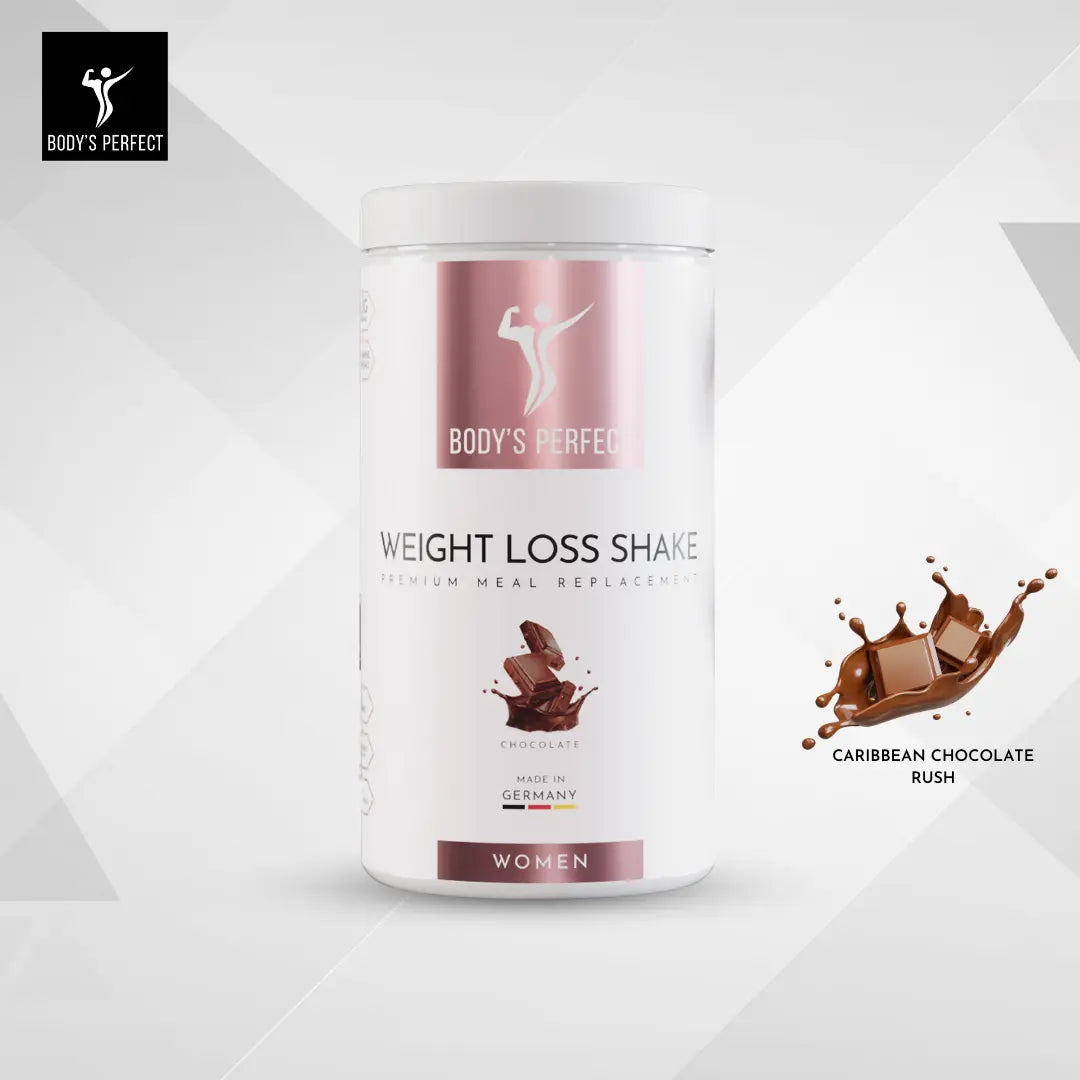
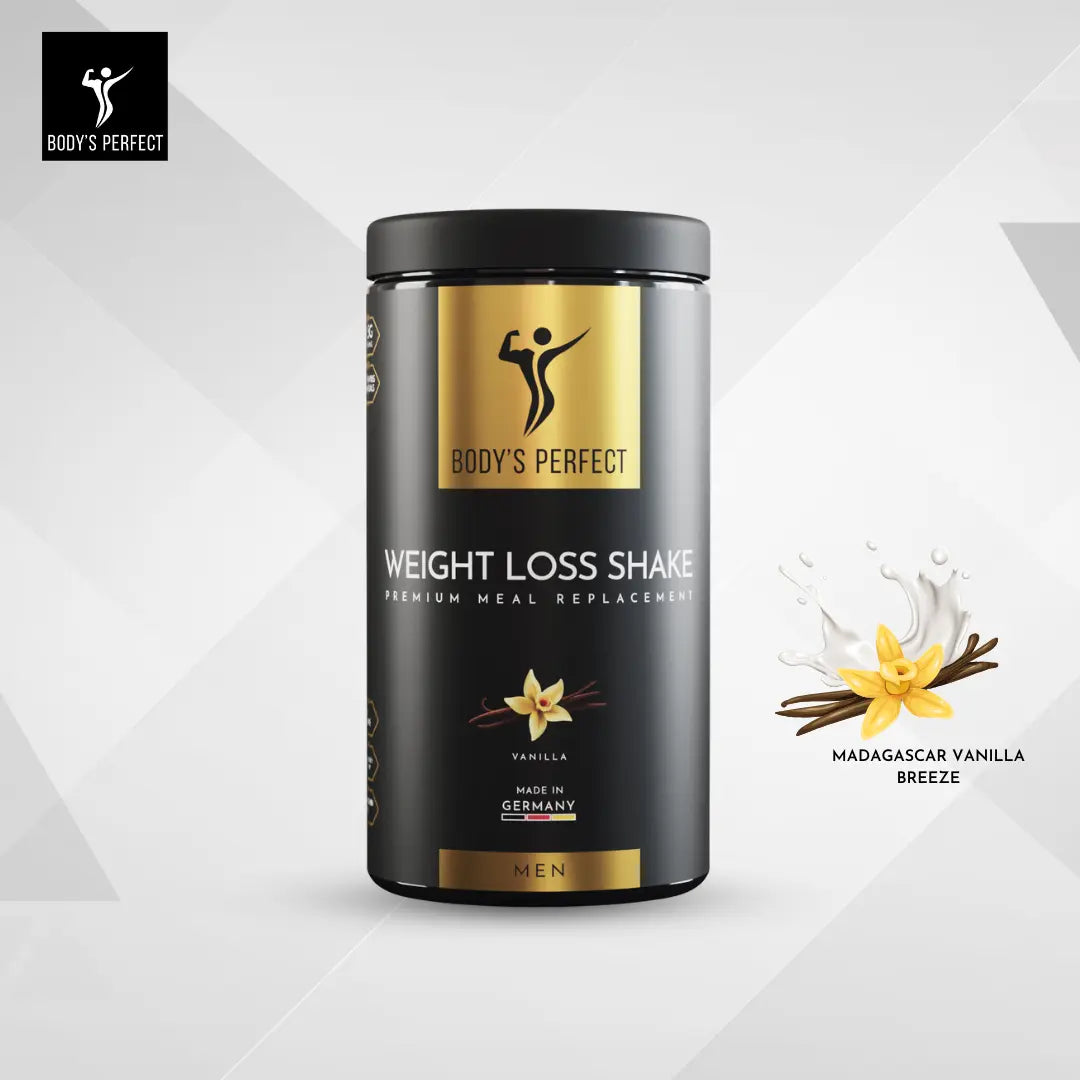
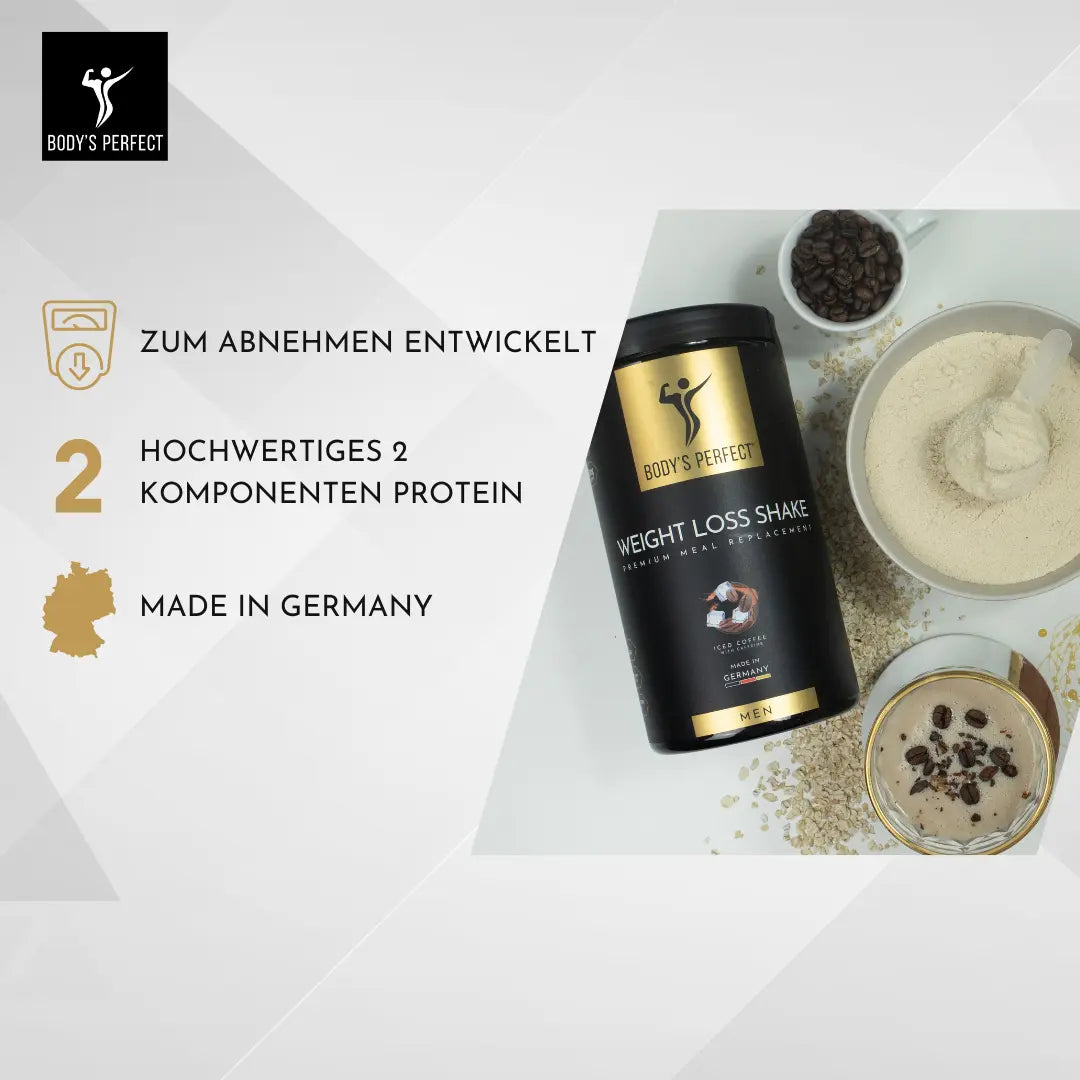
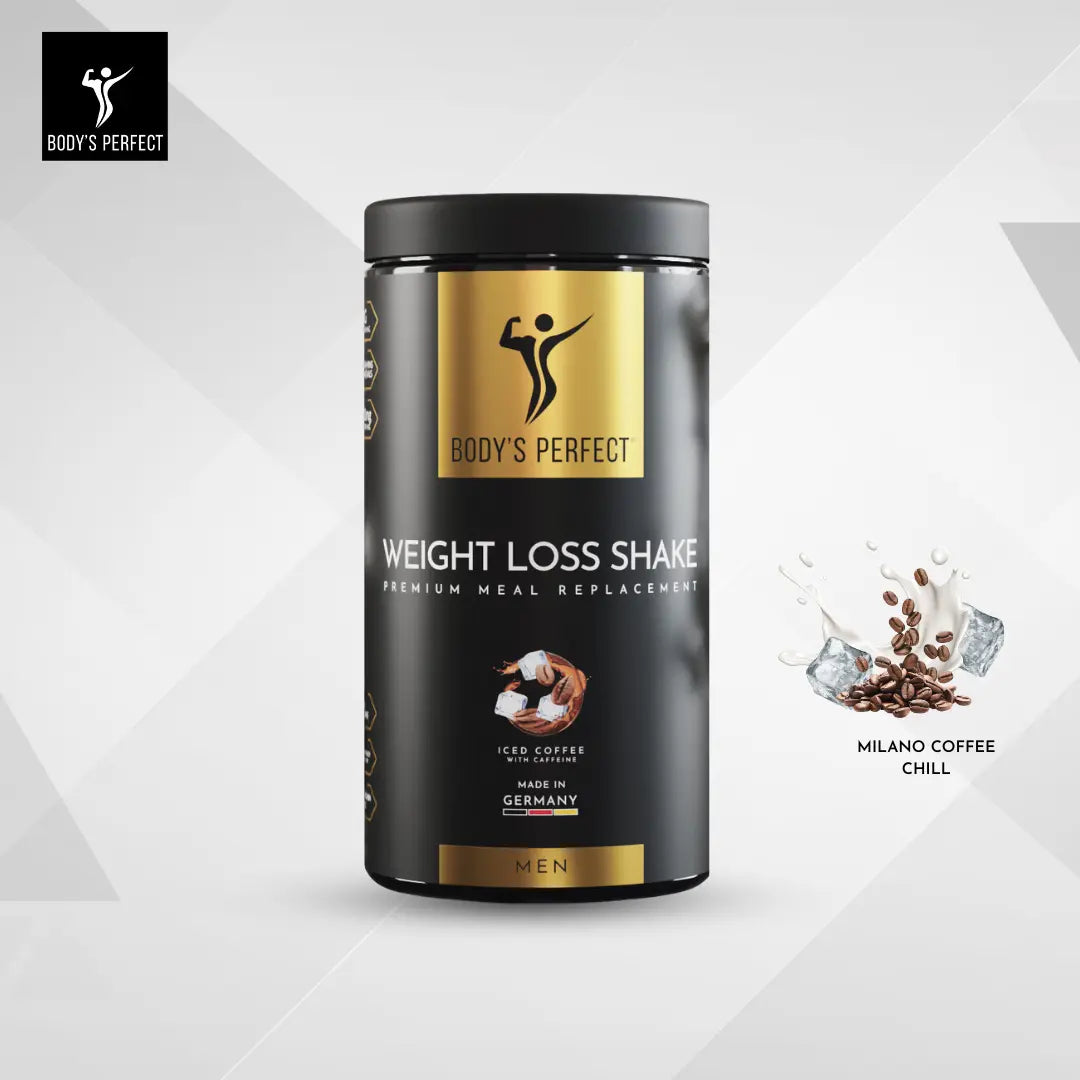
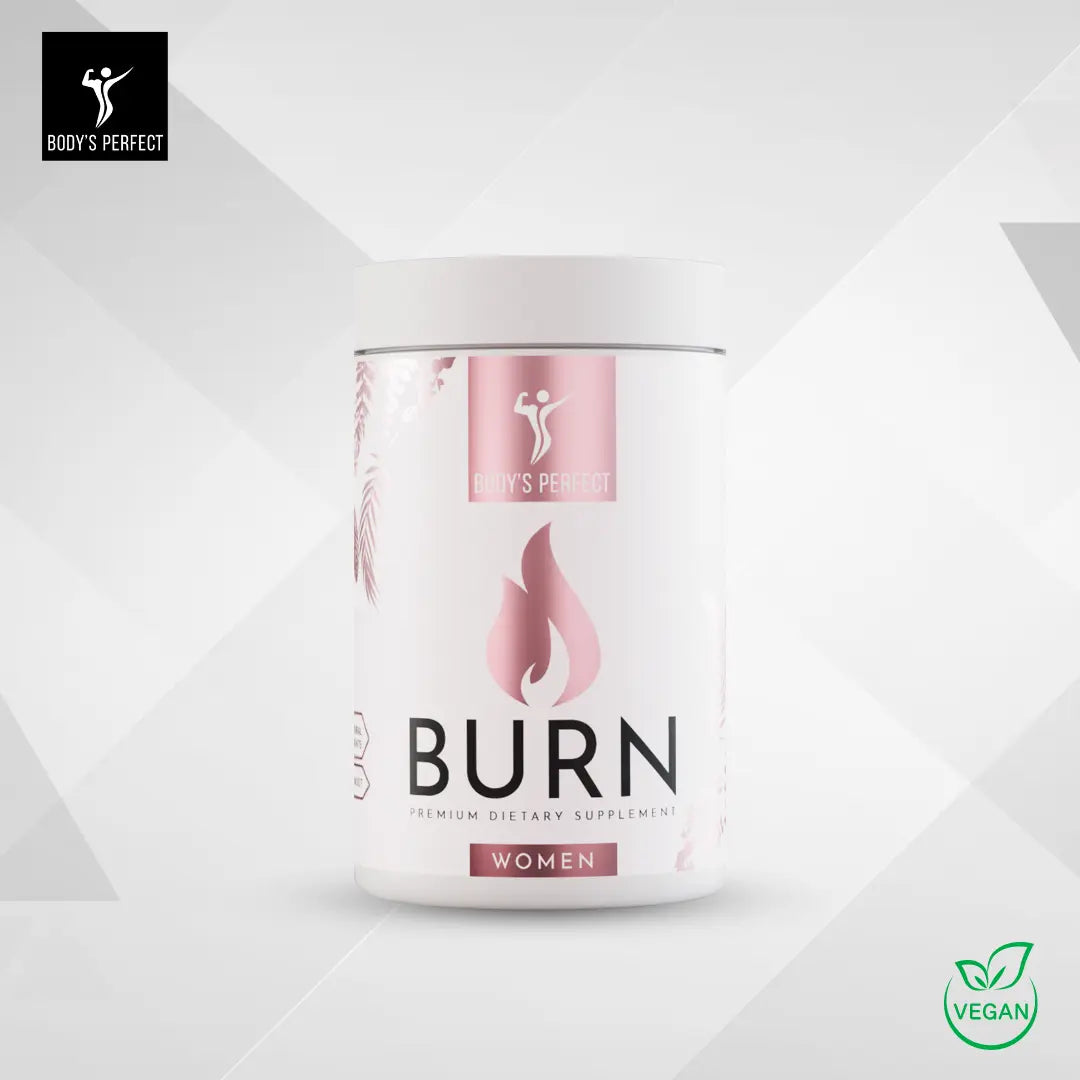
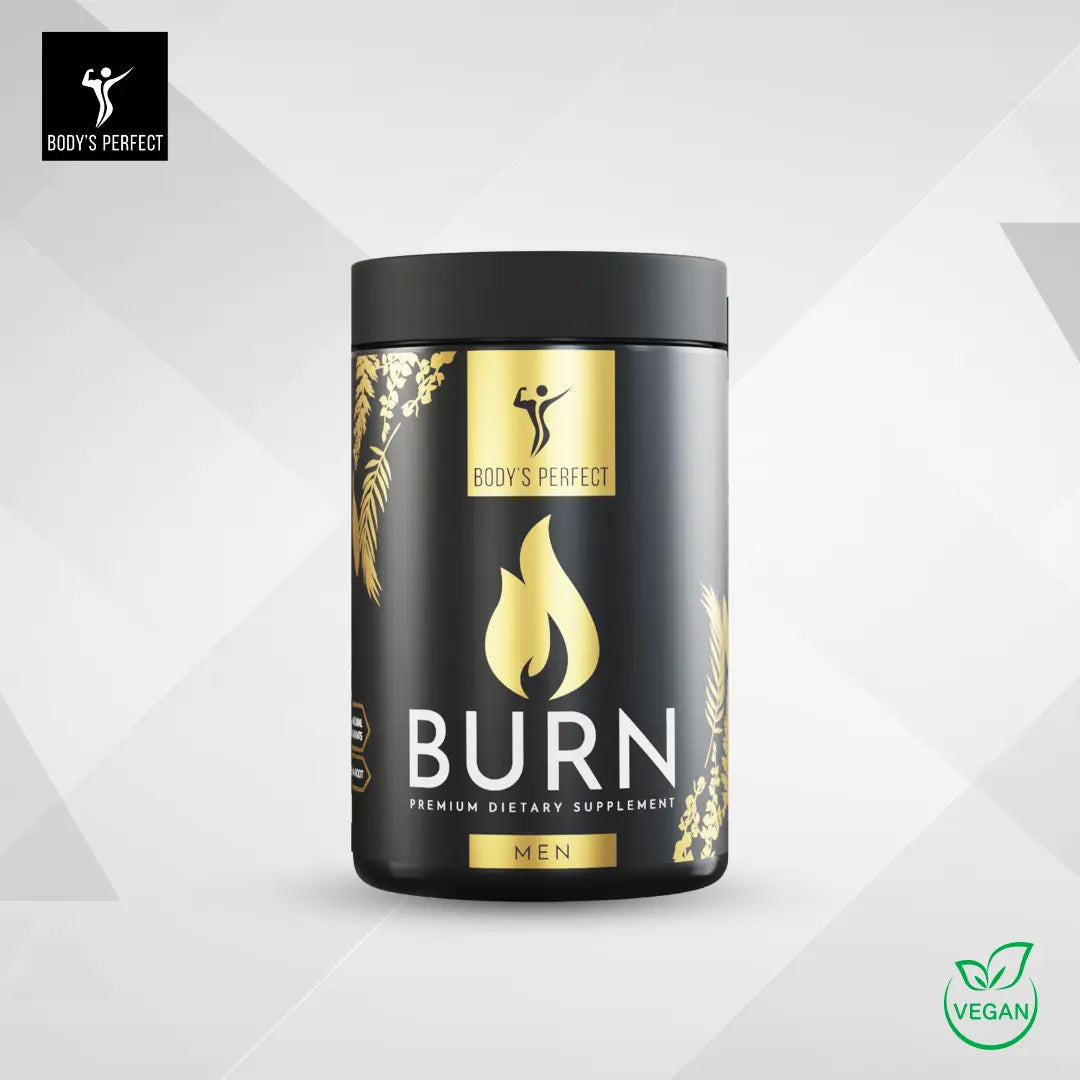
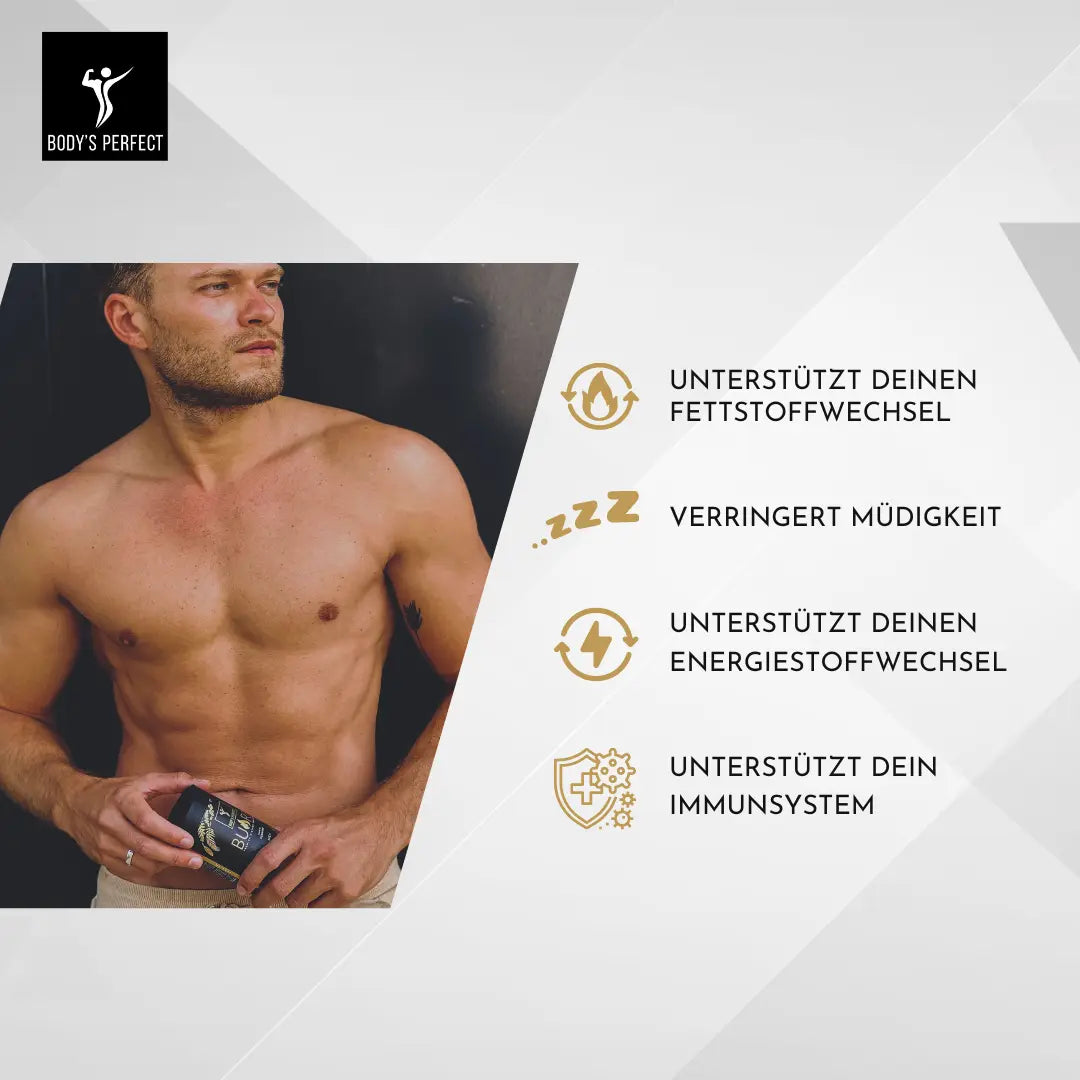
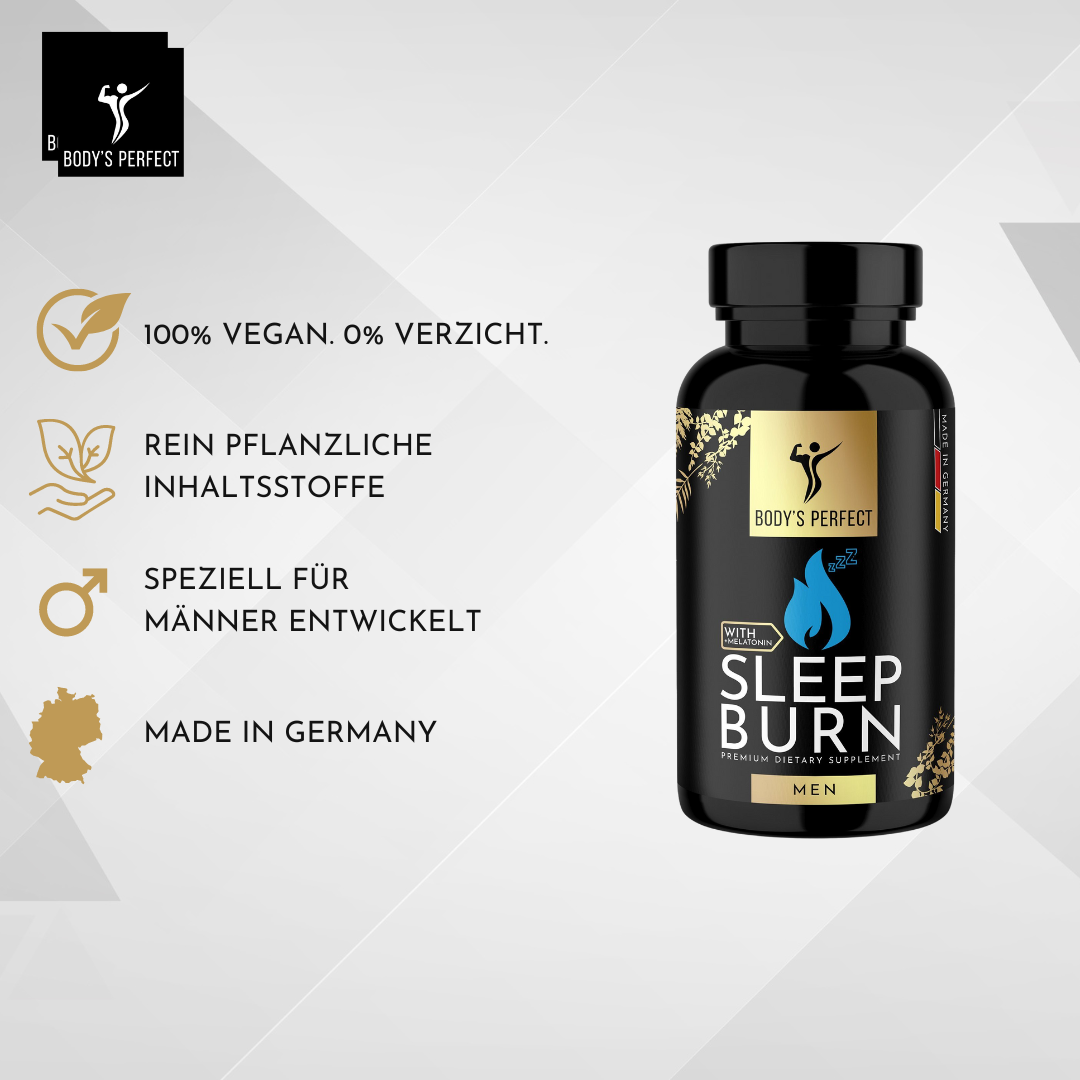
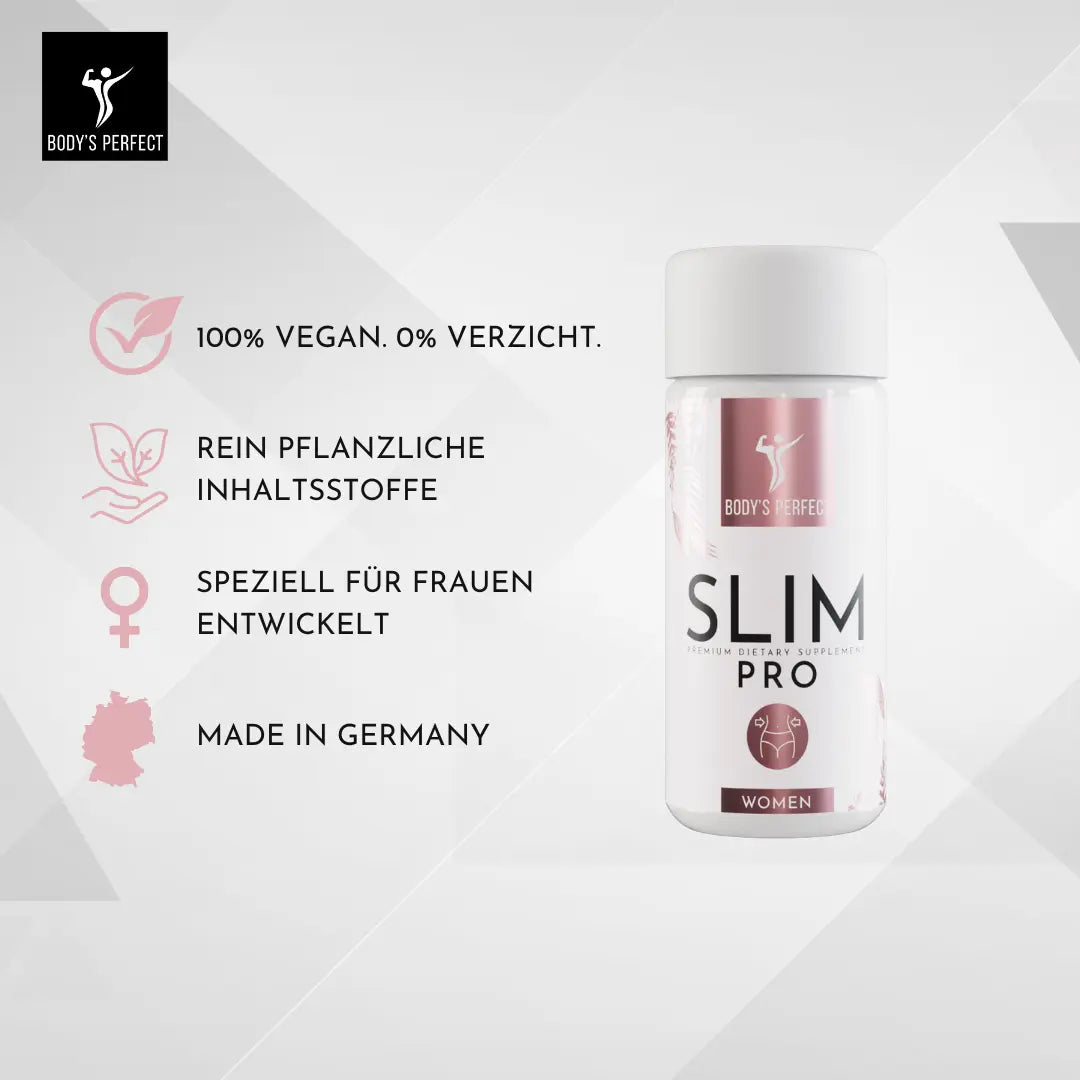
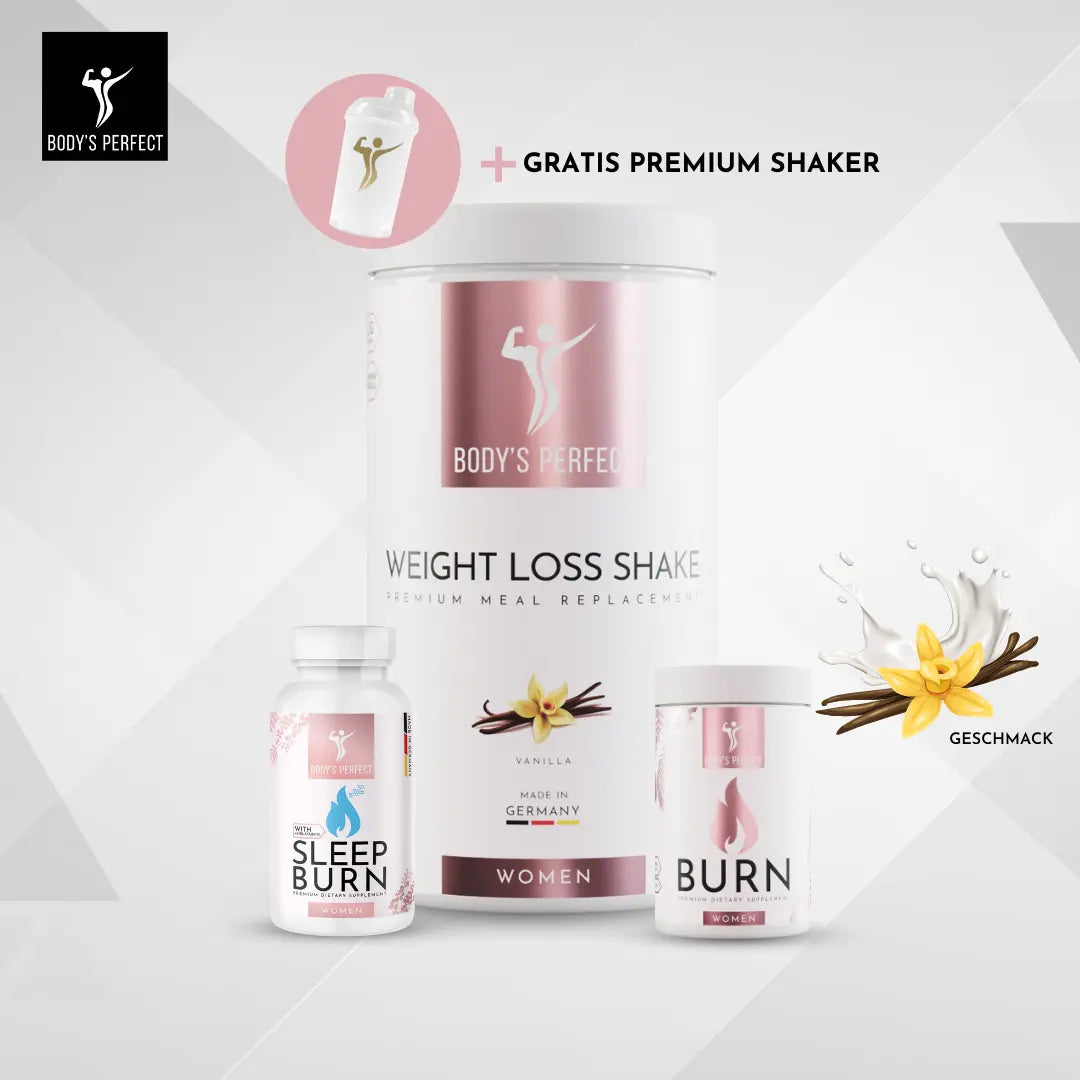
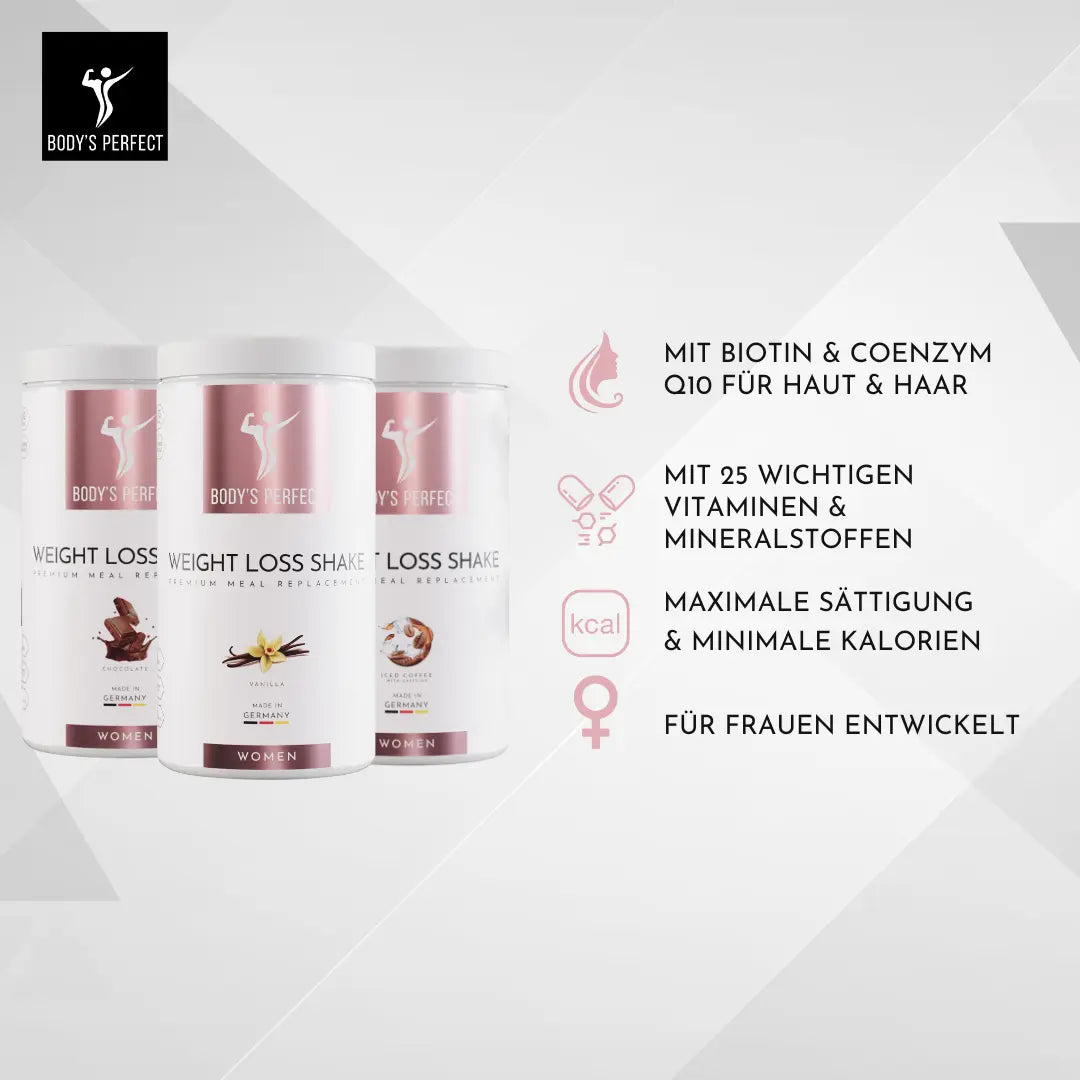
At BODY'S PERFECT, we support you on your journey with products that focus on effectiveness and naturalness. Whether it's a high-quality protein shake to meet your protein needs or our targeted capsules to support your metabolism – discover what suits you and achieve your goals. Find your perfect support at https://bodysperfect.com.
















Share:
What to eat in the evening to lose weight? Your guide to a light dinner
8 Quick Dishes for Weight Loss: Your Success in Under 30 Minutes