

The question of whether you should drink your protein shake before or after your workout is a classic among sports enthusiasts. The short answer for you? For most, a shake after training is the best choice to fully kickstart recovery and muscle building. But that's only half the truth. Much more important than the exact timing is that you consume enough protein throughout the day.
The right timing for your goals: Muscle building and weight loss
The discussion about the perfect time for a protein shake is probably as old as the bench press itself. Should you give your body the building blocks before the exertion or only afterward, when the "repair work" in the muscle begins? The truth, as is often the case, lies somewhere in the middle. It all depends on your goals, your daily routine, and simply your gut feeling.
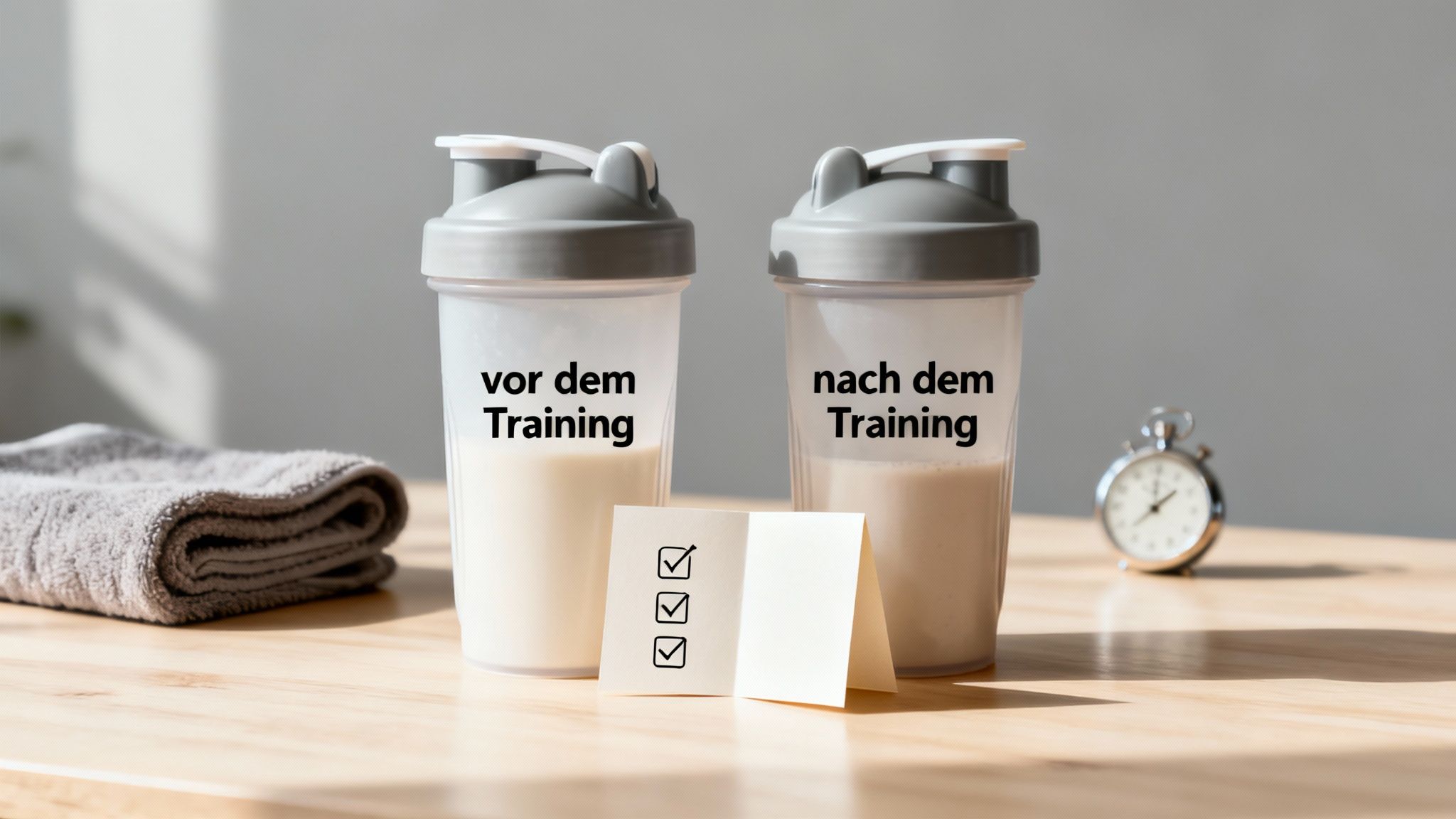
First things first: The total amount makes the difference
Before we get lost in the details of timing, let's make one thing clear: timing is only a small piece of the puzzle. The absolute priority is meeting your daily protein requirements. If you train intensively, the recommended intake is approximately 1.2 to 1.7 grams of protein per kilogram of body weight. If you're more of a recreational athlete, you often meet your needs with your normal diet. Here, a shake is a practical supplement, but not an absolute must.
A protein shake is not a miracle cure, but a clever tool. It simply makes it easier for you to reach your protein goals – whether you want to build muscle or lose weight.
To make it easier for you to get started, we have summarized the most important points in a table. This way, you can see at a glance which timing is best for you before we delve deeper into the biological background. If you are looking for more practical everyday tips, check out our guide on when to drink protein shakes.
Shake timing in direct comparison
Here you can clearly see when which shake timing is superior for which goal.
| Criterion | Shake before workout | Shake after workout |
|---|---|---|
| Muscle building goal | Protects muscles from breakdown during training (especially during long sessions). | Quickly provides building blocks for repair and growth afterwards. |
| Weight loss goal | Can reduce hunger during training and provides satiety beforehand. | Helps prevent cravings after exercise and promotes satiety. |
| Best effect for | Training on an empty stomach or if the last meal was a long time ago. | Classic and most effective method to initiate regeneration directly. |
This overview is a great starting point. Which way is best for you depends – as you can see – heavily on what you want to achieve and what your daily routine looks like.
What protein does in your body
To truly answer the question "protein shake before or after training?", we need to briefly look at what happens behind the scenes. What exactly does protein do in your body, especially when you've had an intense training session? Just imagine your muscles as a construction site.
Your workout is, so to speak, the site manager who gives the starting signal for the renovation. It tears down old structures to make room for something new and stronger. But without building materials, nothing works, of course. And this is exactly where proteins come in: They are the bricks, mortar, and steel beams for your muscles.
Muscle protein synthesis – explained simply
Every time you train, tiny tears occur in your muscle fibers. That doesn't sound great at first, but it's a completely normal and even necessary process for your muscles to grow. Your body reacts to this with a clever repair mechanism: muscle protein synthesis.
This process not only mends the small damages but also strengthens the muscle fibers at the same time to prepare them for the next strain. The result: Your muscles become stronger and grow.
A protein shake provides the necessary building blocks – the amino acids – in a form that your body can absorb lightning fast. Immediately after training, your body is particularly receptive to these nutrients because it wants to start repairs right away. A shake thus specifically stimulates muscle protein synthesis and gives your body exactly what it needs most at that moment.
More than just building muscles
But the effect of protein goes far beyond pure growth. A good supply after exercise has other crucial advantages that you will notice directly:
- Faster regeneration: If you quickly give your body the right building blocks, you shorten the time it needs to recover. You'll simply be fit again for the next training session faster.
- Less muscle soreness: Targeted repair of small muscle injuries can noticeably reduce the intensity and duration of muscle soreness. This helps you stay motivated and perform well.
- Protection against muscle breakdown: Especially during a diet or very intense training, a good protein supply protects your hard-earned muscles from being broken down.
This basic knowledge is the foundation for everything else. If you understand how your body reacts to protein, you can consciously use the timing of your shake to achieve your personal goals. If you want to delve deeper into the matter, read our article on what protein powder does.
Next, let's look at the specific benefits a shake before training can have.
The benefits of a shake before training

Sure, the classic post-workout protein shake is a household name. But have you ever considered drinking it before? For many, this might be unusual, but under certain circumstances, it can be a real game-changer for your performance.
The logic behind it is actually quite simple: You give your body the important building blocks exactly when it will need them. Imagine it like refueling your car before a long journey. With a full tank, you not only go further, but the engine also simply runs more smoothly. That's exactly what a shake before a workout does – it ensures that your muscles are optimally supplied with amino acids from the first minute.
A shield for your muscles
Probably the biggest advantage of a shake before exercise is muscle protection. When you train intensely, your body sometimes uses its own muscle tissue for energy. This happens particularly quickly if you are in a calorie deficit and want to lose weight. This state is called catabolism – and it is the exact opposite of what you want to achieve.
If you drink a protein shake about 30 to 60 minutes before your session, quickly available amino acids enter your bloodstream. They then act as a protective shield for your muscles, preventing the body from attacking its own valuable reserves.
This strategy is particularly clever in the following situations:
- Morning workout: If you would otherwise train on an empty stomach, the shake protects your muscles from breakdown.
- Long training sessions: For endurance sessions or strength training over 90 minutes, pre-supply helps maintain your performance until the end.
- During a diet: In a calorie deficit, the risk of muscle breakdown is already increased. A shake beforehand specifically counteracts this.
Less hunger and more energy
Another very practical advantage is satiety. A light shake can prevent you from getting the hunger pangs in the middle of a set. This way, you can concentrate fully on your exercises instead of thinking about your next meal.
A pre-workout shake is not a classic energy booster like an espresso. But it ensures that your body has the necessary resources to avoid an energy slump during training. The amino acids directly support your muscular endurance.
If you're looking for an additional performance boost, the combination with certain amino acids like L-arginine might be interesting. Learn more about the effects of L-arginine in our relevant article and how it can further optimize your blood circulation and nutrient supply.
A small tip at the end: A full shake right before exercise can be hard on some stomachs. Just try out what time works best for you so you feel comfortable and performant during your workout.
The benefits of a shake after training
For many, it's a fixed ritual: as soon as the last set is done, the shaker is pulled out. But this is more than just a cherished habit or a quick reward. Behind it lies a solid biological reason that can massively advance your regeneration and muscle building. So, if you're wondering if a protein shake after training really does anything, the answer is a clear yes.
Imagine your body after a tough workout: your muscle fibers have suffered tiny tears, and your energy stores are empty. Your body wants to start repairing immediately, but for that, it needs building materials – and quickly. This is where the shake comes in. It delivers the urgently needed amino acids from protein exactly when your body is calling for them the loudest.
The "anabolic window" – myth and truth
You've probably heard of the "anabolic window" before. The idea behind it: Immediately after training, there's a short period when your body absorbs nutrients like a sponge. For a long time, it was thought that this window closed after just 30 to 60 minutes, which caused many athletes a lot of stress.
Fortunately, we can give the all-clear here: Newer studies show that this "window" stays open much longer, probably even several hours. So you don't have to frantically mix your shake in the changing room. But the basic idea remains: timely supply is and remains the best way to optimally boost regeneration.
A shake is simply the easiest way to give your body what it needs immediately, without having to cook a whole meal first. It is a practical and extremely efficient tool that is deservedly so popular with athletes. A survey from 2018, for example, showed that around 19 percent of the athletes surveyed consume protein shakes daily. More details on this interesting statistic can be found in the results of the survey on de.statista.com.
Initiate regeneration, repair, and growth
A shake after exercise offers you very specific benefits that you will quickly notice:
- Nutrients at lightning speed: Liquid protein is digested much faster than solid food. Amino acids are quickly in the blood and on their way to your muscles.
- Starting signal for muscle building: You give your body a clear signal: "Repair and grow now!" This stimulates muscle protein synthesis.
- Refill energy stores: Add a banana or some oats to your shake. Carbohydrates help replenish your empty glycogen stores.
Do you want to go a step further? Combine your shake with other useful nutrients. In our article about the effects of creatine, you will learn how you can additionally increase your performance.
So, the post-workout shake remains the absolute classic – and for good reason. It's the easiest way to support your body in achieving its goals.
How to align your shake timing with your goals
The perfect strategy depends entirely on you. Whether a protein shake before or after training is the better choice ultimately depends on what you want to achieve. Let's take a closer look at the two most common goals – weight loss and muscle building – so you can take away a clear, actionable recommendation for yourself.
The good news first: There is no right or wrong. It's more about using your shake in a way that optimally supports you on your journey.
Timing for maximum muscle growth
If your primary goal is to build muscle, your protein shake serves one main purpose: It provides the building blocks your body needs for repair and growth. In this case, the strategy is actually quite clear and uncomplicated.
The classic post-workout shake is the most proven and effective method for muscle building. It supplies your muscles with quickly available amino acids exactly when they are most receptive and the repair process is in full swing.
It's best to drink your shake within one to two hours after your workout. This way, you optimally utilize your body's increased absorption capacity without having to stress yourself out. The BODY'S PERFECT shake provides you with high-quality protein that quickly reaches where it's needed and specifically kickstarts muscle protein synthesis.
Timing for effective weight loss
If, on the other hand, you want to lose weight, the shake takes on a completely different role. Here, it becomes a clever tool with which you can manage your calorie deficit and avoid cravings. The timing becomes much more flexible and is much more oriented towards your personal hunger feeling and your daily routine.
This infographic helps you decide when a shake after training makes sense to promote your recovery and utilize the anabolic window.
The graphic clearly shows: After exercise, the shake is a great option to support recovery. But especially when losing weight, there are other strategic moments when it can help you.
Here are a few typical situations from practice:
- Shake as an afternoon snack: Do you often struggle with the classic afternoon slump and cravings for sweets? A shake can be a satisfying and low-calorie alternative that helps you last until dinner.
- Shake as a meal replacement: When you're in a hurry, a shake can replace a full but calorie-controlled meal. It keeps you full for a long time and helps you easily stick to your calorie goal.
- Shake immediately after training: After exercise, you often get very hungry. A shake right afterward prevents you from getting cravings at home and reaching for unhealthy, quick snacks.
At the end of the day, the best strategy is always the one you can stick to in the long run. Our guide on losing weight with protein shakes gives you more practical tips on how to successfully integrate shakes into your daily routine. Just try out what works best for you and your goals.
How much protein you really need
Okay, we've clarified the timing. But now the next big question comes up: How much protein is enough to achieve your goals? In the fitness world, the saying "more is more" often floats around – but that's only half true. The right amount is key, because too much won't give you extra gains, but can unnecessarily burden your body.
The perfect dosage for your protein shake is therefore not a game of chance. You can easily adapt it to yourself and your goals.
Find your personal protein needs
Your daily requirement depends entirely on what you plan to do: Do you primarily want to lose weight, build muscle, or simply stay fit? A scientifically sound and practical rule of thumb for active people is between 1.4 and 2.0 grams of protein per kilogram of body weight per day.
- Let's take an example: A person weighing 70 kg calculates as follows: 70 kg x 1.6 g = 112 grams of protein per day.
With this amount, you ensure that your body gets all the building blocks it needs for regeneration, muscle maintenance, and the building of new muscle mass.
However, it's very important: Your shake is only one building block of the whole. It's a great help to reach your daily goal, but it doesn't replace a balanced diet. So also think about good protein sources like chicken, fish, quark, or lentils.
Why one serving per shake is usually enough
Your body is clever, but it has its limits. Per meal, it can only optimally use a certain amount of protein for muscle building – that's approximately 20 to 30 grams. Conveniently, this corresponds exactly to the recommended serving size of a high-quality protein powder like that from BODY'S PERFECT. Anything significantly more than that will also be metabolized, but it will no longer be used specifically for muscle repair.
Sure, if you're currently in an extremely intense training phase, your needs might temporarily be higher. Competitive athletes sometimes consume up to two grams per kilogram of body weight. However, experts advise maintaining such high amounts for only a few weeks. You can read more about this and potential risks in the background information on apotheken-umschau.de. For most of us, a moderate, consistent intake is the best and most sustainable path to success.
Protein Shakes: Your Most Frequent Questions
Do you still have some questions about protein shakes before or after training? Great, because we're going to answer them now. Here are the answers to the most common uncertainties – short, understandable, and directly from practice.
Can I also drink a protein shake on non-training days?
Absolutely! Your muscles don't grow when you lift weights, but in the time afterward. The actual work, i.e., repair and building, takes place during rest periods.
Especially on non-training days, these processes are in full swing. A shake then ensures a consistent protein supply and gives your muscles exactly what they need for regeneration. It's also a great snack that keeps you full for a long time and easily curbs cravings.
Mix shake with milk or water – what's better?
That depends entirely on you, your goals, and your taste. Both have their advantages.
- With water: If you need it quickly, water is the first choice. The body absorbs the protein rapidly because no fats or milk sugars slow down digestion. Ideal right after exercise or if you are watching calories and want to lose weight.
- With milk: For creamy enjoyment and a longer feeling of fullness, milk is perfect. It naturally provides additional protein and calcium. So if you want to build muscle and the extra calories don't bother you, this is a great combination.
Is a protein shake useful even without exercise?
Yes, absolutely. Protein shakes are no longer just for fitness enthusiasts. They can be a straightforward supplement for anyone who wants to ensure they are getting enough protein.
Protein is the macronutrient that best satisfies hunger. So, a shake can help you maintain your weight in everyday life because you simply feel full for longer. In addition, a good protein supply is crucial to counteract natural muscle loss with age.
But remember: a shake is a clever tool, not a miracle cure. It should always only supplement a balanced diet, not replace it.
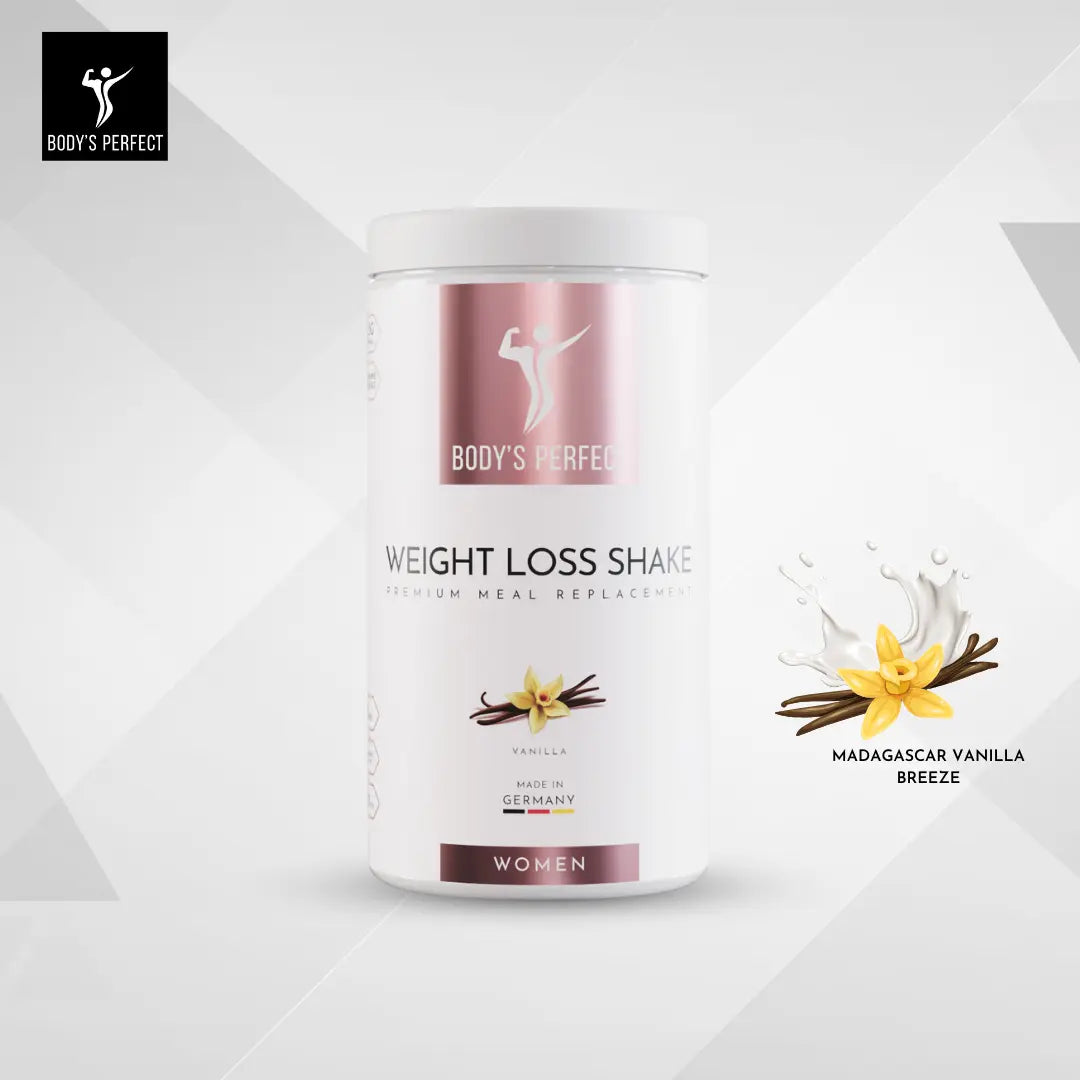
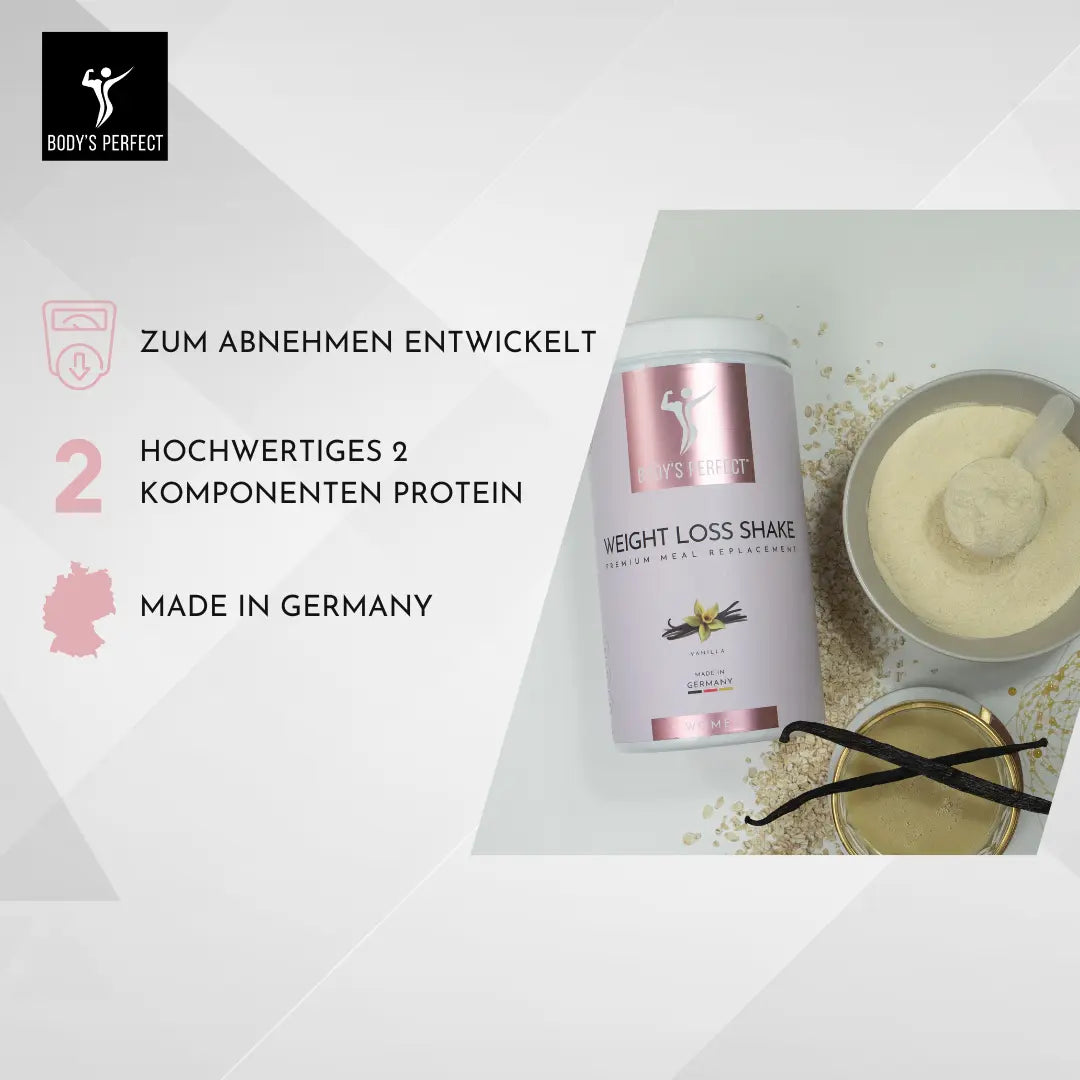
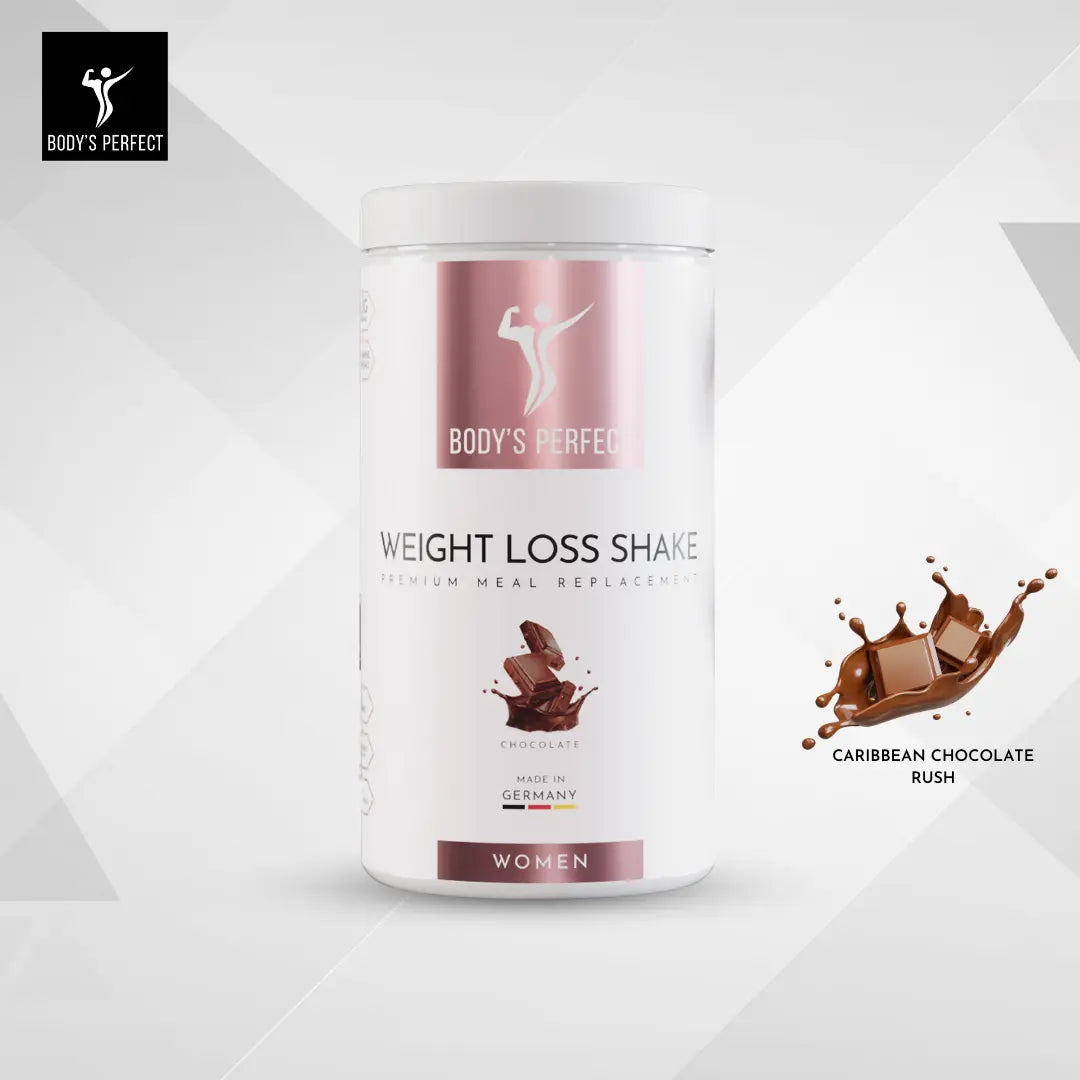
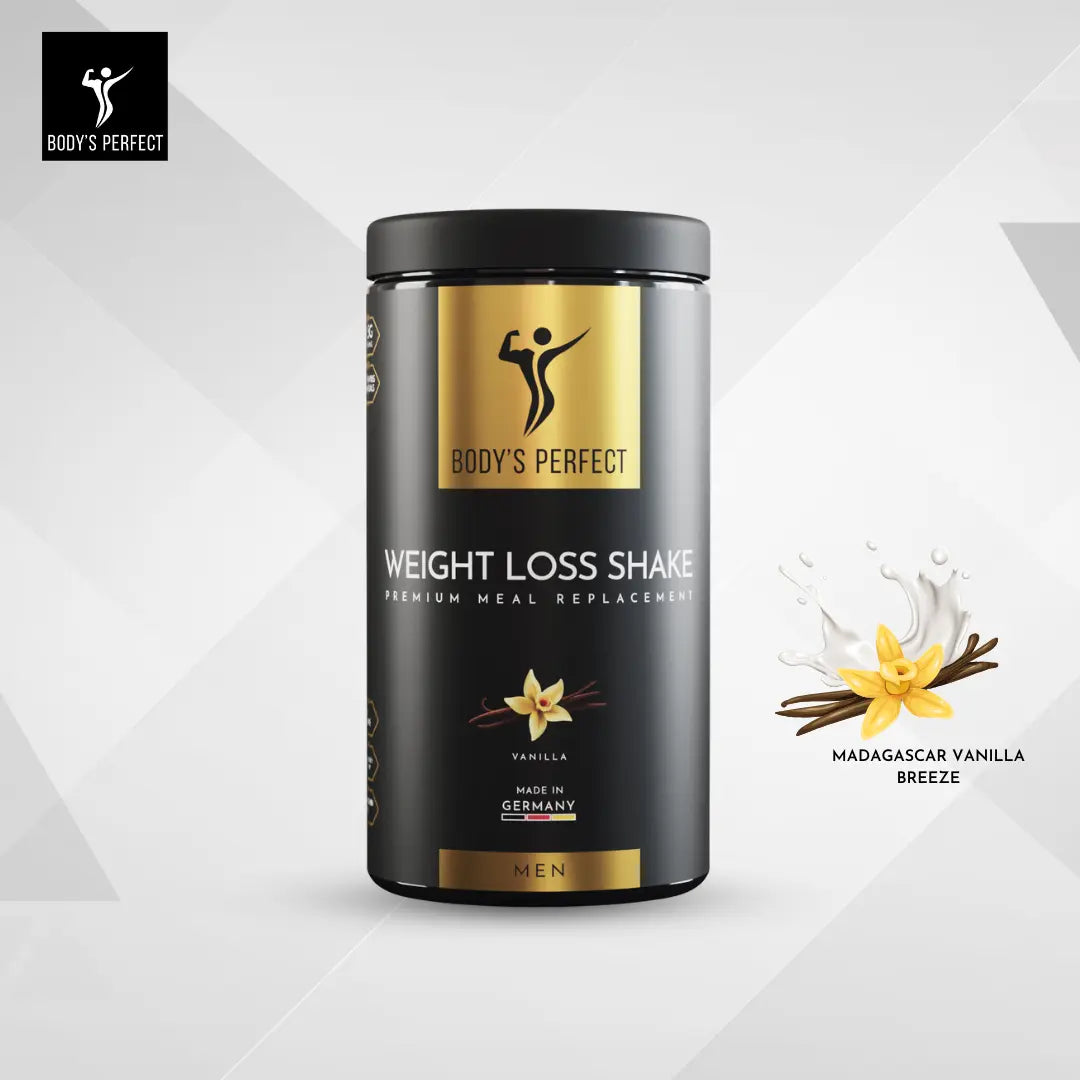
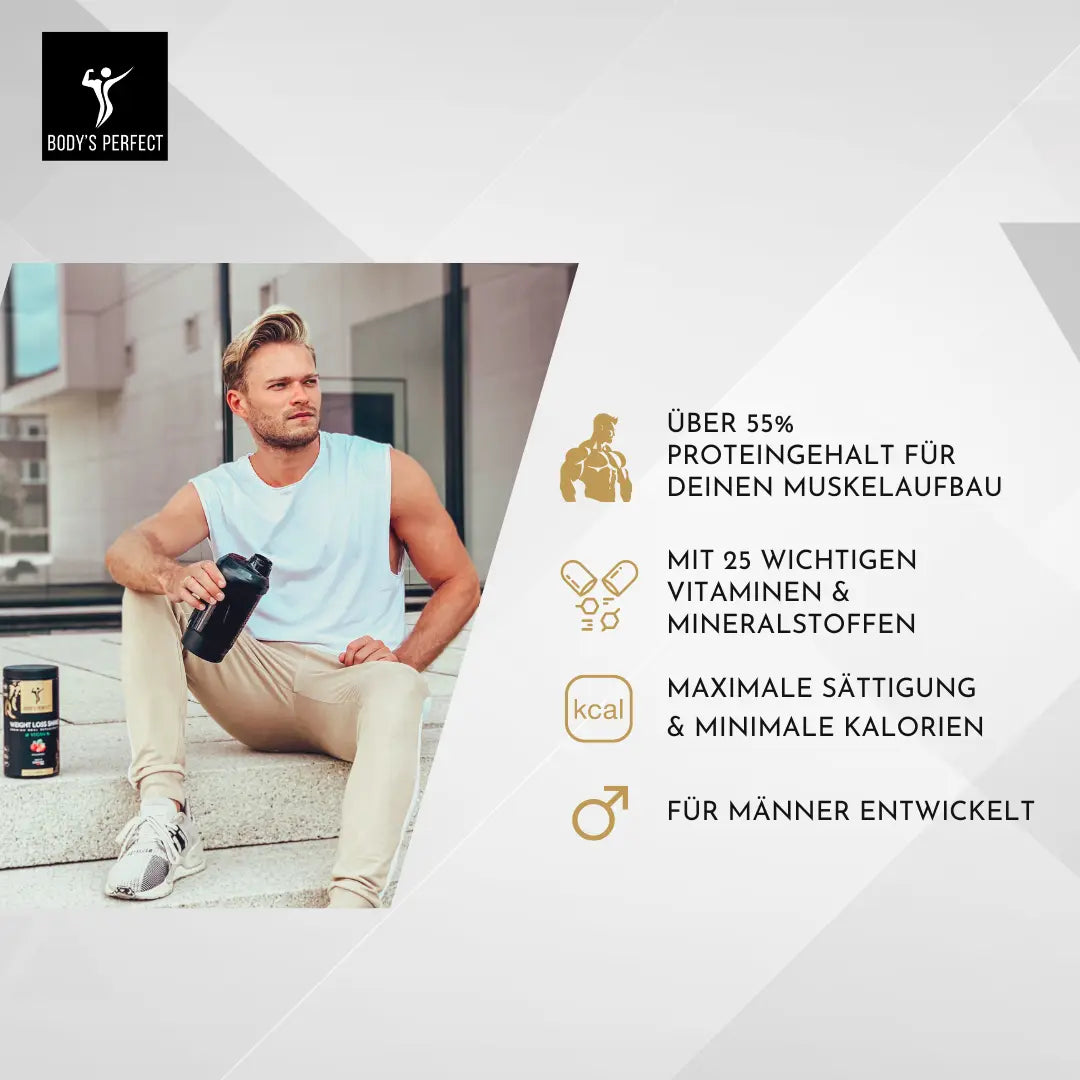
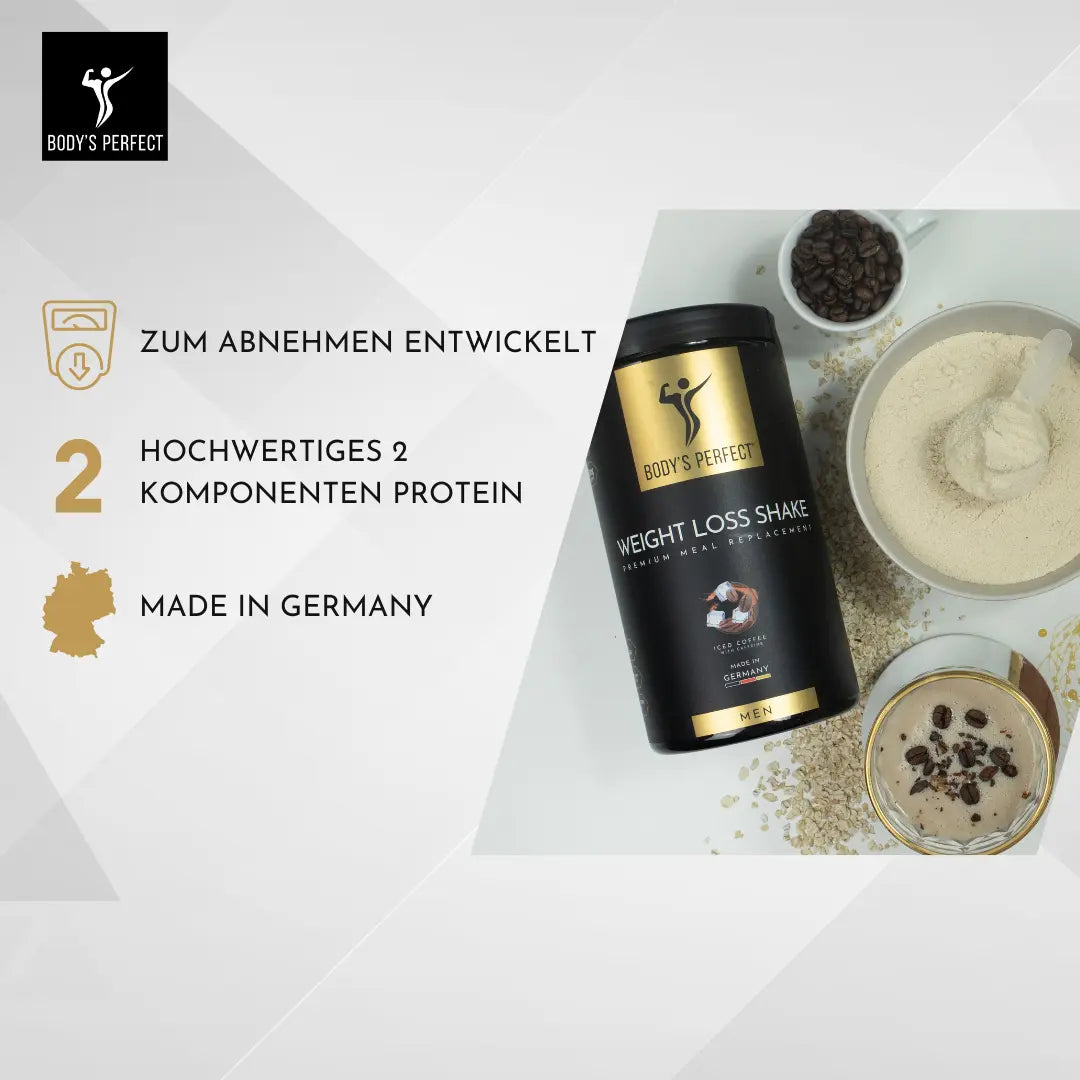
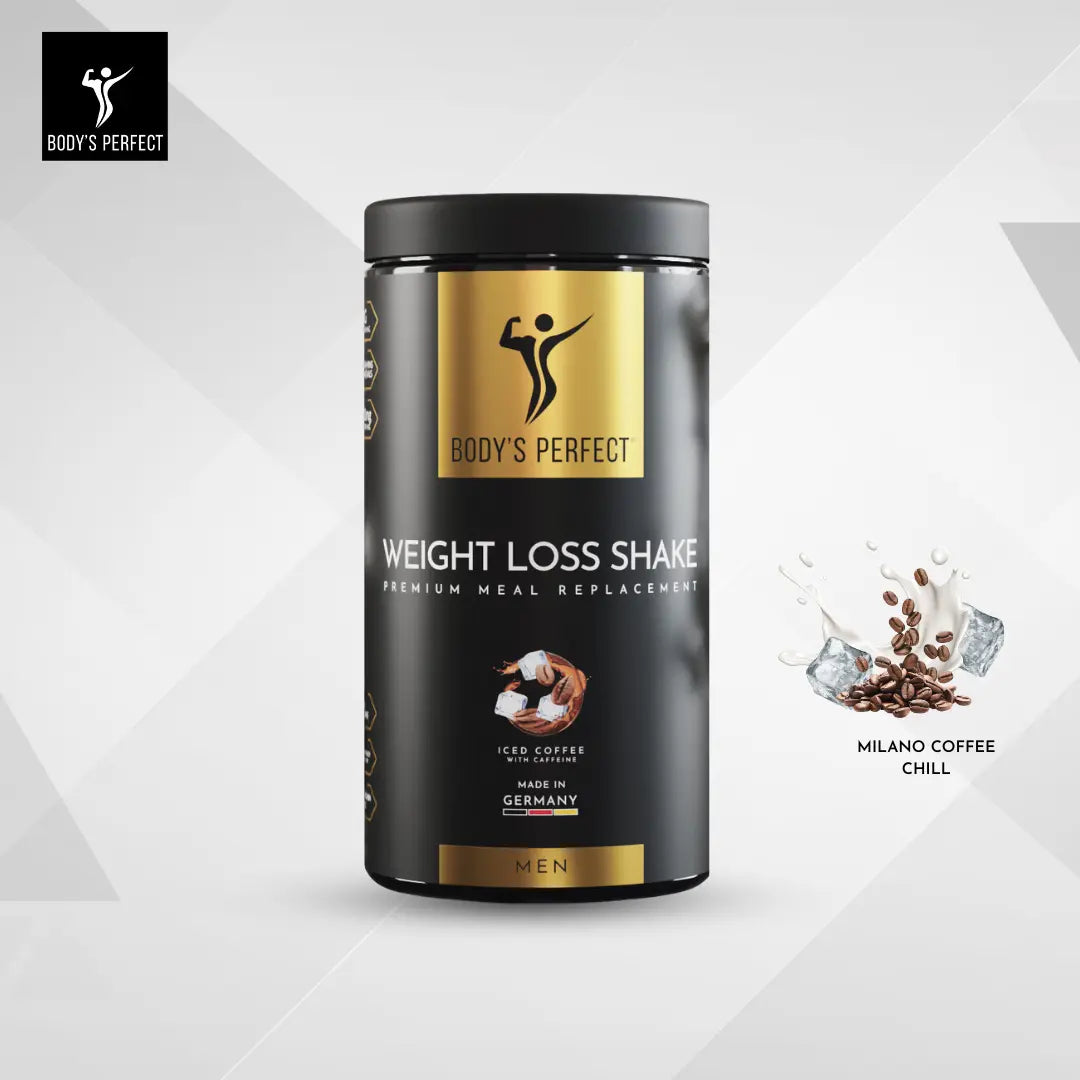
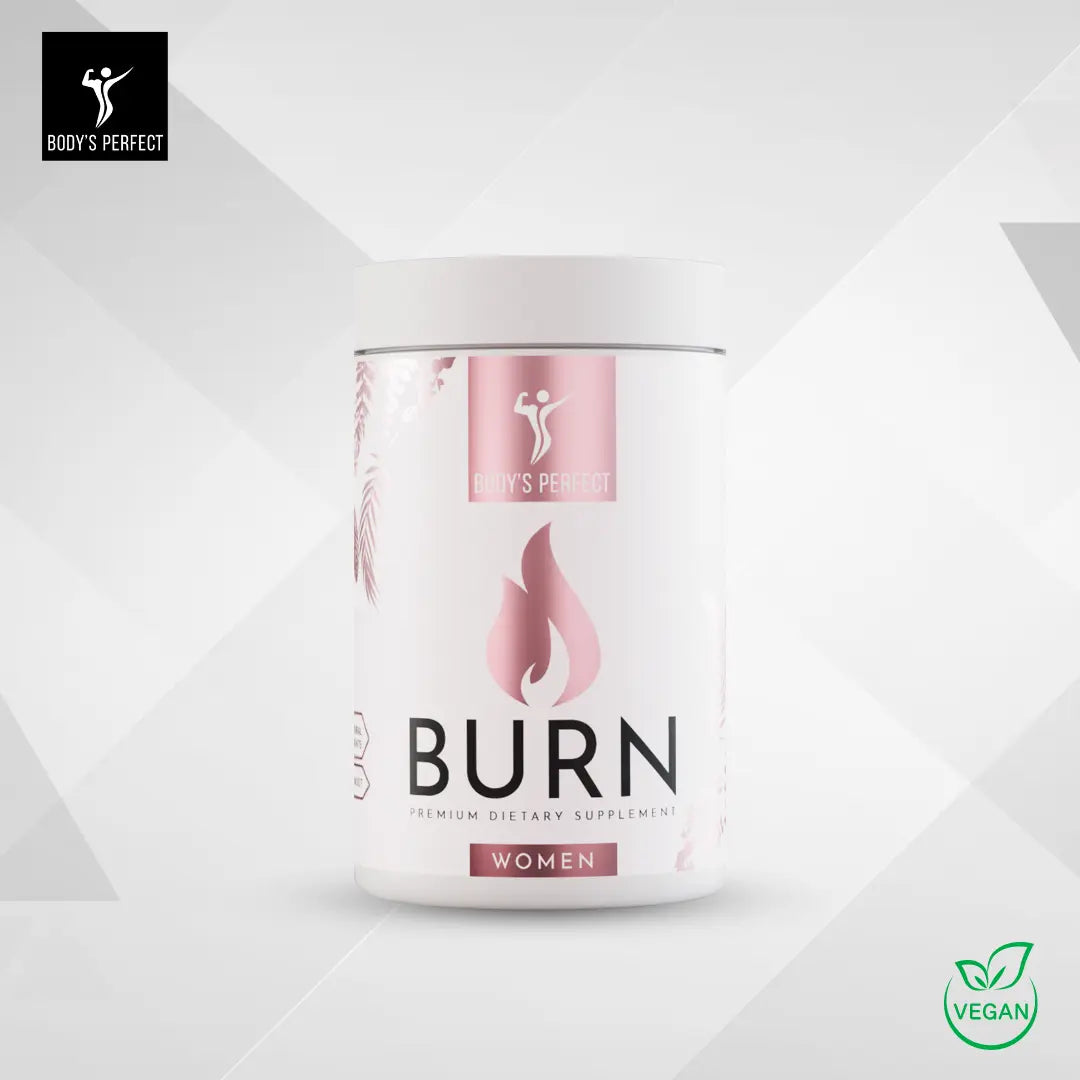
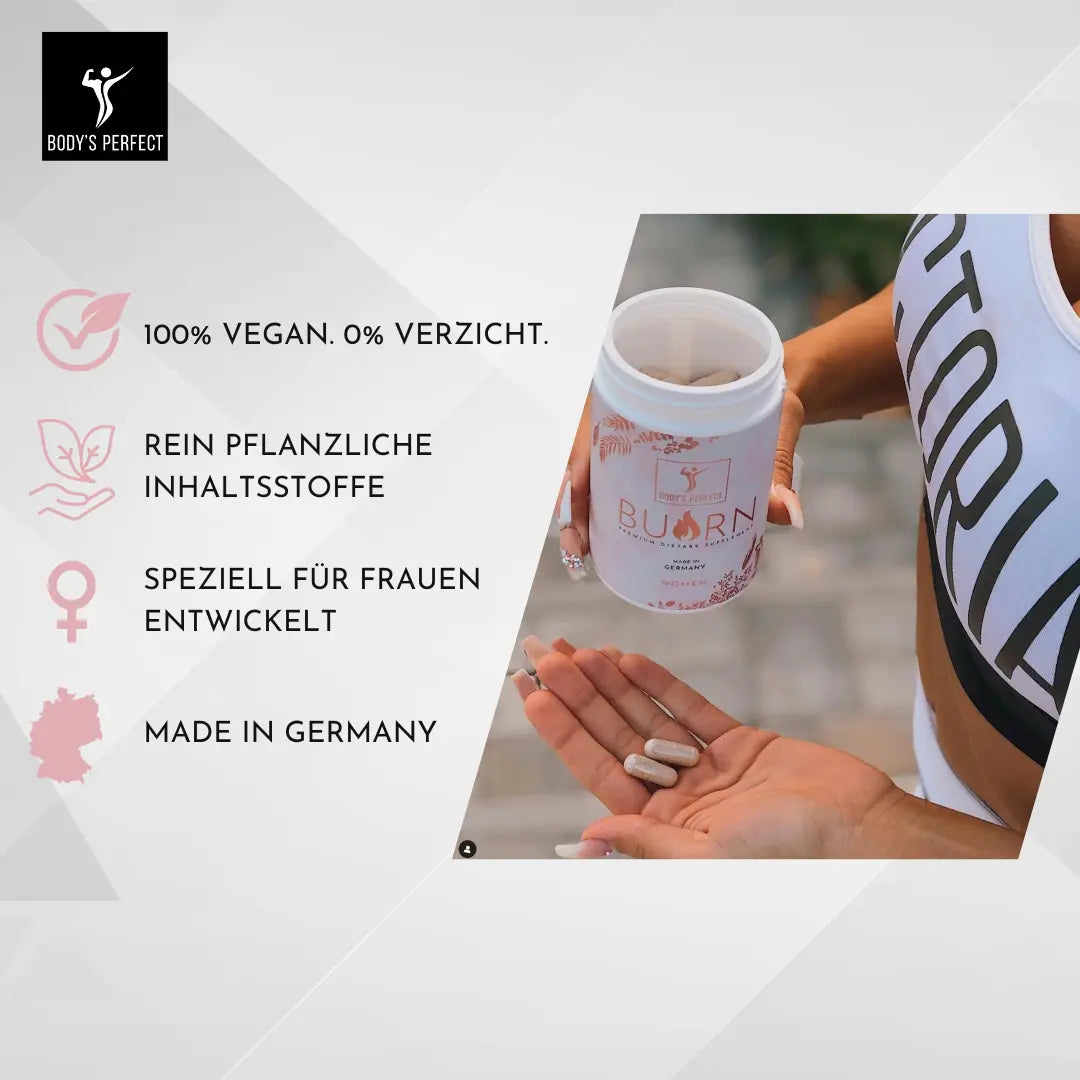
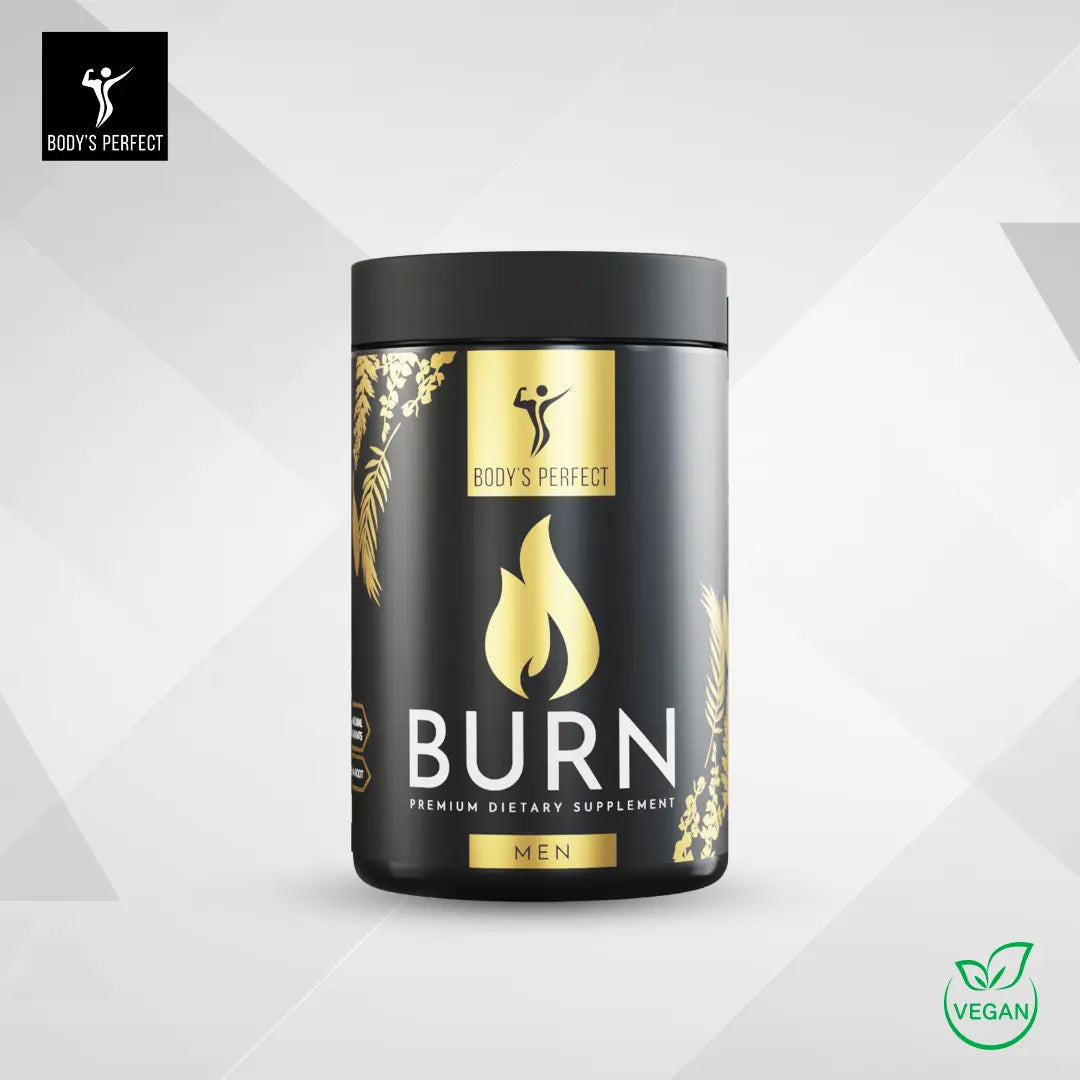
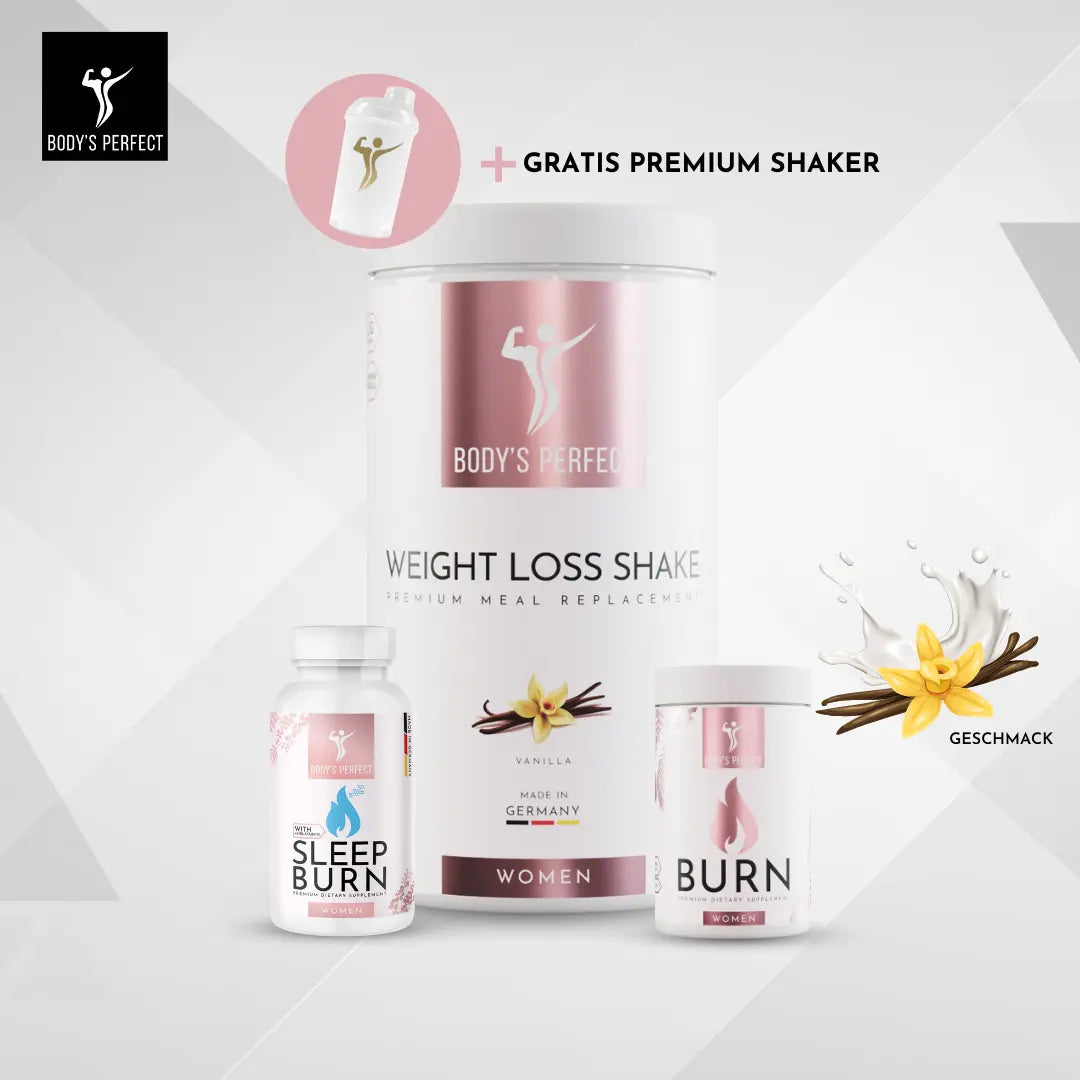
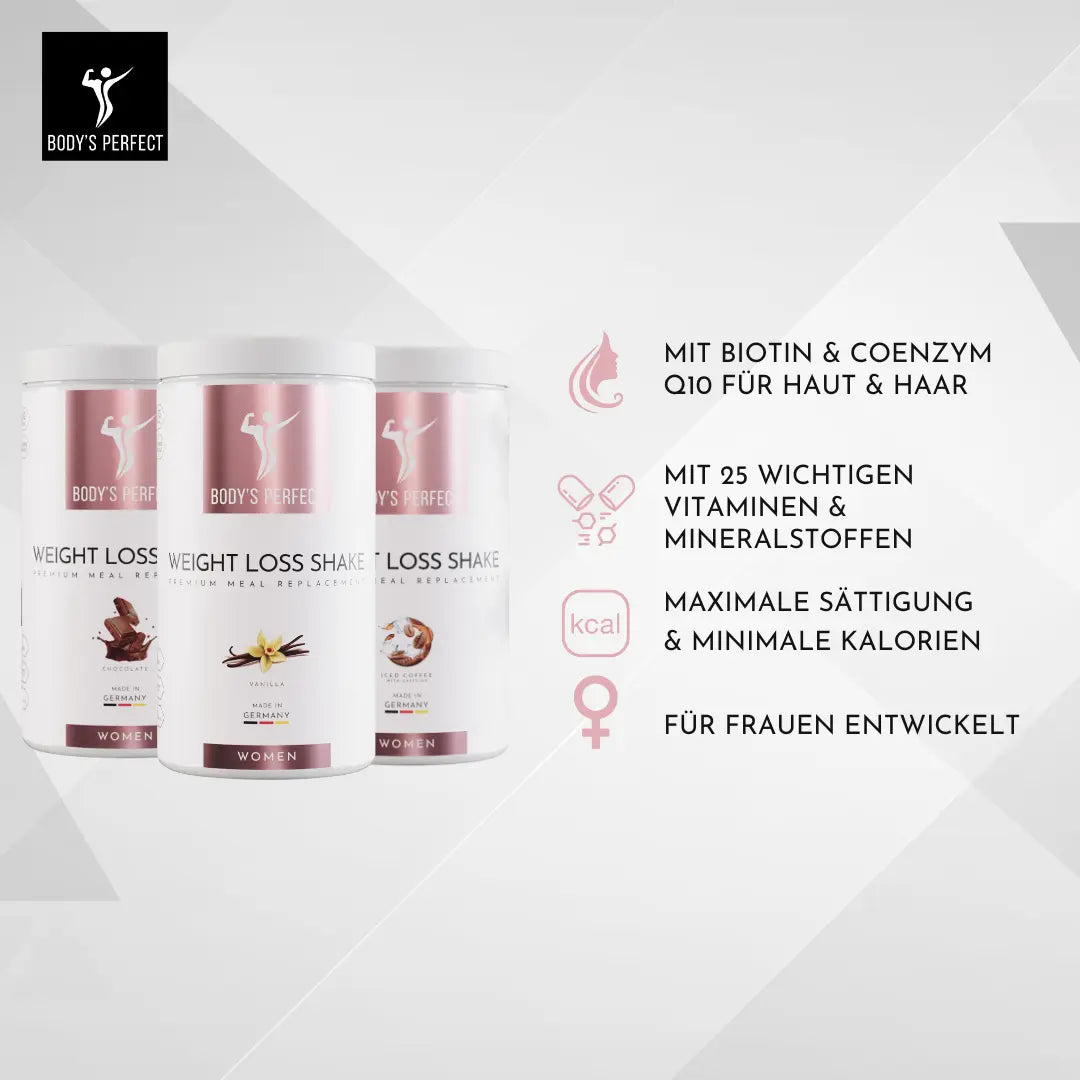
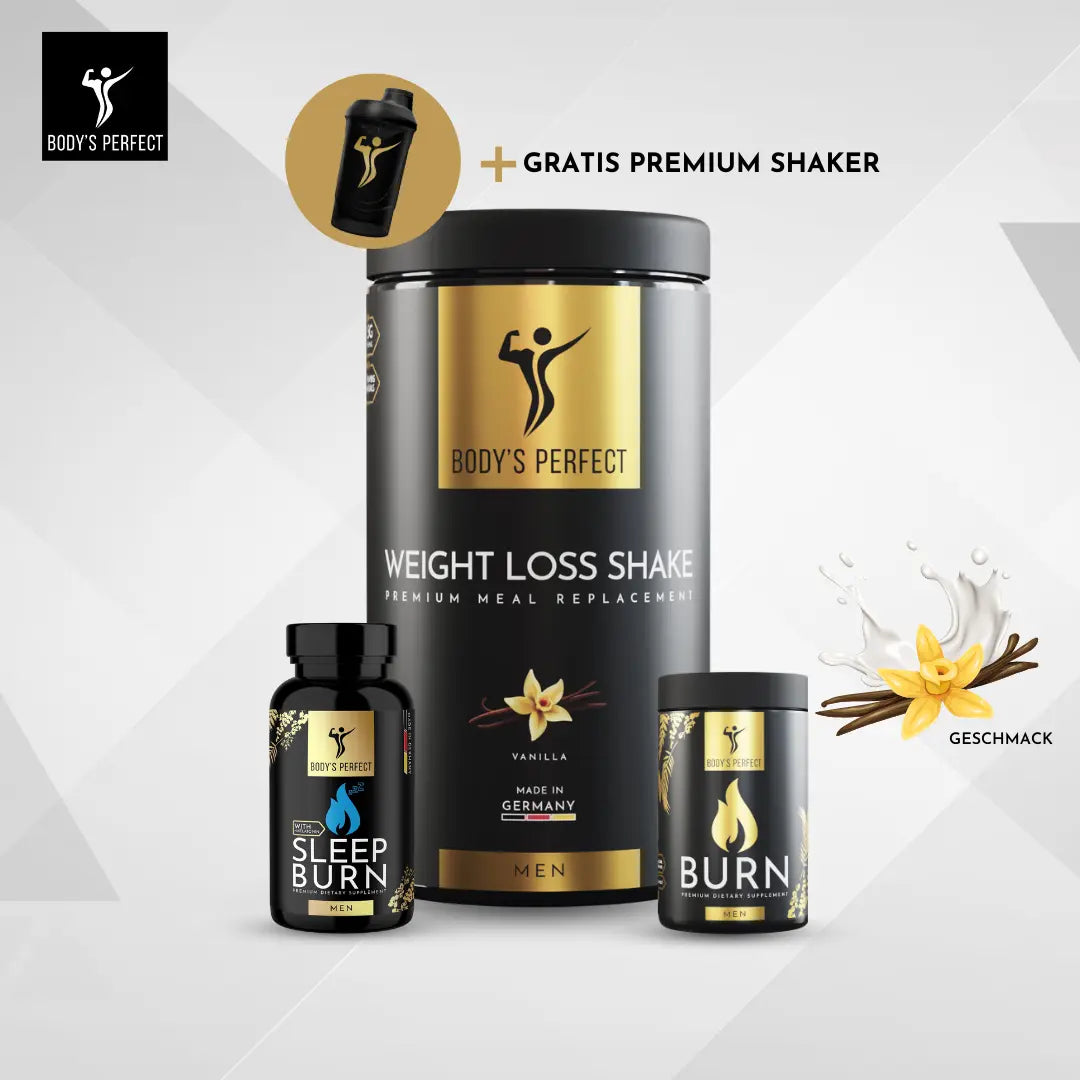
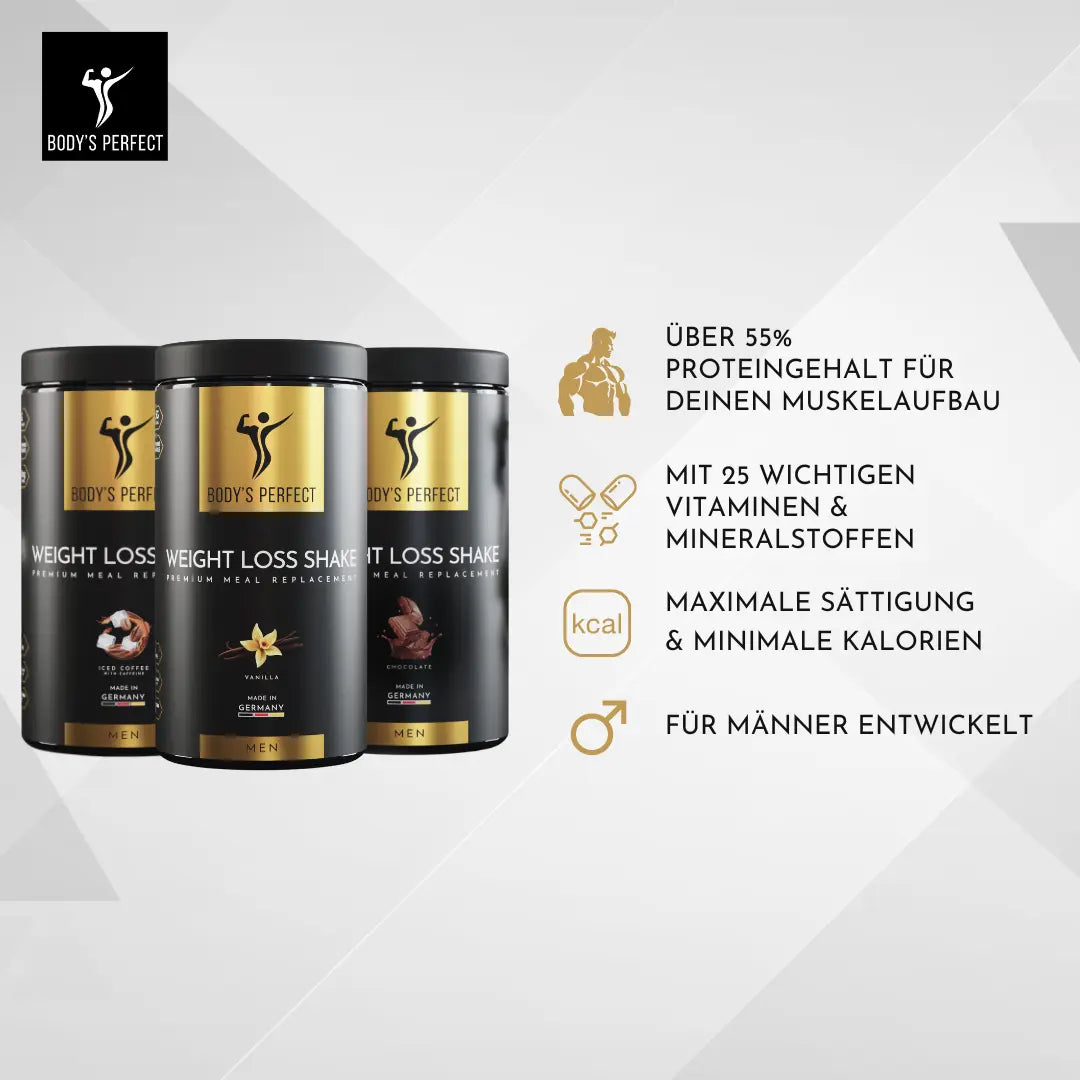
Ready to take your goals to the next level with the right protein? BODY'S PERFECT shakes are designed to optimally support you – whether you want to lose weight or improve your regeneration after training.






Share:
Homemade Weight Loss Shakes: The Ultimate Guide
Vegan Protein Shake for Muscle Gain and Weight Loss