


Do you finally want to lose weight permanently and are tired of constant disappointments? True success has nothing to do with short-term suffering. Instead, it's about finding a path that suits you and your life. A path where you understand your body and work with it, instead of fighting against it.
Why most diets fail and how you can do it better

The desire to shed a few pounds is widespread – but the path to achieving it is often frustrating. You probably know the drill: a new diet promises quick results, you strictly adhere to rigid rules, and what happens in the end? As soon as you return to your old habits, the pounds are back, often even a few more.
That's precisely the infamous yo-yo effect. It's the main reason why most diets simply don't work long-term. They rely on radical calorie reduction or ban entire food groups. This might work for a short time, but it slows down your metabolism and leaves you with a constant feeling of deprivation. And that's psychologically very difficult to sustain.
The problem with short-term thinking
Many diet concepts fail because they are focused on the wrong goal. Everything revolves around a number on the scale that should drop as quickly as possible. The actual causes of obesity are completely ignored:
- Emotional triggers: Eating out of boredom, stress, or frustration.
- Fixed habits: Reaching for chocolate in the evening or a quick ready-meal after a long day.
- Lack of knowledge: Uncertainty about what your body truly needs to be healthy and fit.
Such psychological hurdles cannot be overcome with a 14-day crash plan. Successful weight loss is not a sprint, but a marathon that requires a fundamental change in your attitude. Men, in particular, often face special challenges here, as you can read in our article on weight loss for men.
The power of self-awareness
A crucial point that is often overlooked is the connection to your own body. Many diets fail because we have unlearned to listen to our body's signals and instead eat for emotional reasons. Through simple mindfulness exercises, you can learn to recognize these patterns and develop a better sense of hunger and fullness again.
The key is to find a balance that nourishes and satisfies you, instead of constantly punishing yourself. It's about becoming an ally of your body, not its adversary.
Statistics show how important sustainable solutions are. According to the Robert Koch Institute, the proportion of people with obesity in Germany increased from 12.2% to 19.7% between 2003 and 2023. These figures clearly show that we need individual strategies not only to reach our feel-good weight but also to maintain it permanently. You can find more about obesity statistics on marcusknispel.com.
Find out what your body really needs
Have you ever wondered why your friend loses weight eating pasta, while for you, the mere thought of a potato sends the scale spiraling? The answer is actually quite simple and lies in your metabolism. Every body is different, and a one-size-fits-all diet can never work. Successful weight loss only happens when you stop working against your body and instead see it as your partner.
The key to this is knowing your personal metabolic type. Your genes determine how well your body converts the three main nutrients – carbohydrates, fats, and proteins – into energy. So, instead of blindly following trends and giving up in frustration, you can specifically eat what your body can best utilize.
The three basic metabolic types
Every person is unique, but for orientation, we can roughly divide ourselves into three categories. Each of these types has very specific needs when it comes to fueling up and burning fat.
- The carbohydrate type: Your body is a true master at processing carbohydrates. After a meal with whole grains, fruits, and vegetables, you feel fit and satisfied. A strict low-carb diet would be the wrong way for you – it would only make you sluggish and trigger cravings.
- The protein type: Your metabolism runs best on proteins and fats. You feel full and energized for the longest time when you opt for lean meat, fish, eggs, and healthy fats. Too many carbohydrates, especially simple ones from sugar or white flour, send your blood sugar on a roller coaster ride and provoke the next craving attack.
- The mixed type: As the name suggests, you are an all-rounder. Your body copes well with carbohydrates, proteins, and fats. For you, a balanced diet with a healthy mix of all three nutrient groups is the golden path.
This classification is the first step to understanding why some diets work for you and others don't. It's not about "good" or "bad" foods, but about what is best for your very personal body.
No more guesswork – your DNA knows the answer
How do you know what type you are now? Sure, you could experiment for weeks, keep a food diary, and pay close attention to your body's signals. Or you can take the shortcut and go straight to the source: a DNA metabolic analysis.
Imagine you had a personal instruction manual for your body. A test like the BODYSlim DNA test from BODY'S PERFECT provides exactly that. It deciphers your genetic predisposition and gives you scientifically sound answers about which nutrients truly boost your fat burning and which slow it down.
Such a personal approach takes all the guesswork out of your diet. You not only learn whether you should focus more on proteins or carbohydrates, but you also receive very specific recommendations based on your unique genetics. This is the decisive advantage that no general diet in the world can offer you.
The following table clearly shows how different the recommendations can be, depending on what your DNA reveals.
Comparison of Metabolic Types according to DNA Analysis This table shows how dietary and training recommendations can differ depending on the genetic metabolic type.
| Feature | Type A (e.g., Carbohydrate Type) | Type B (e.g., Protein Type) | Type C (e.g., Mixed Type) |
|---|---|---|---|
| Optimal Energy Source | Complex carbohydrates (whole grains, legumes) | Proteins and healthy fats (fish, lean meat, nuts) | Balanced mix of all macronutrients |
| Nutritional Focus | 50-60% carbohydrates, 20% protein, 20-30% fat | 40-50% protein, 30% fat, 20-30% carbohydrates | Balanced: approx. 40% carbohydrates, 30% protein, 30% fat |
| Snacks for Cravings | An apple, a handful of berries | Nuts, a boiled egg, Greek yogurt | Vegetable sticks with hummus, small protein shake |
| Training Recommendation | Endurance sports (running, cycling), HIIT | Strength training, moderate cardio | Combination of strength and endurance training |
As you can see, there isn't one right way. What is perfect for one person can be completely wrong for another.
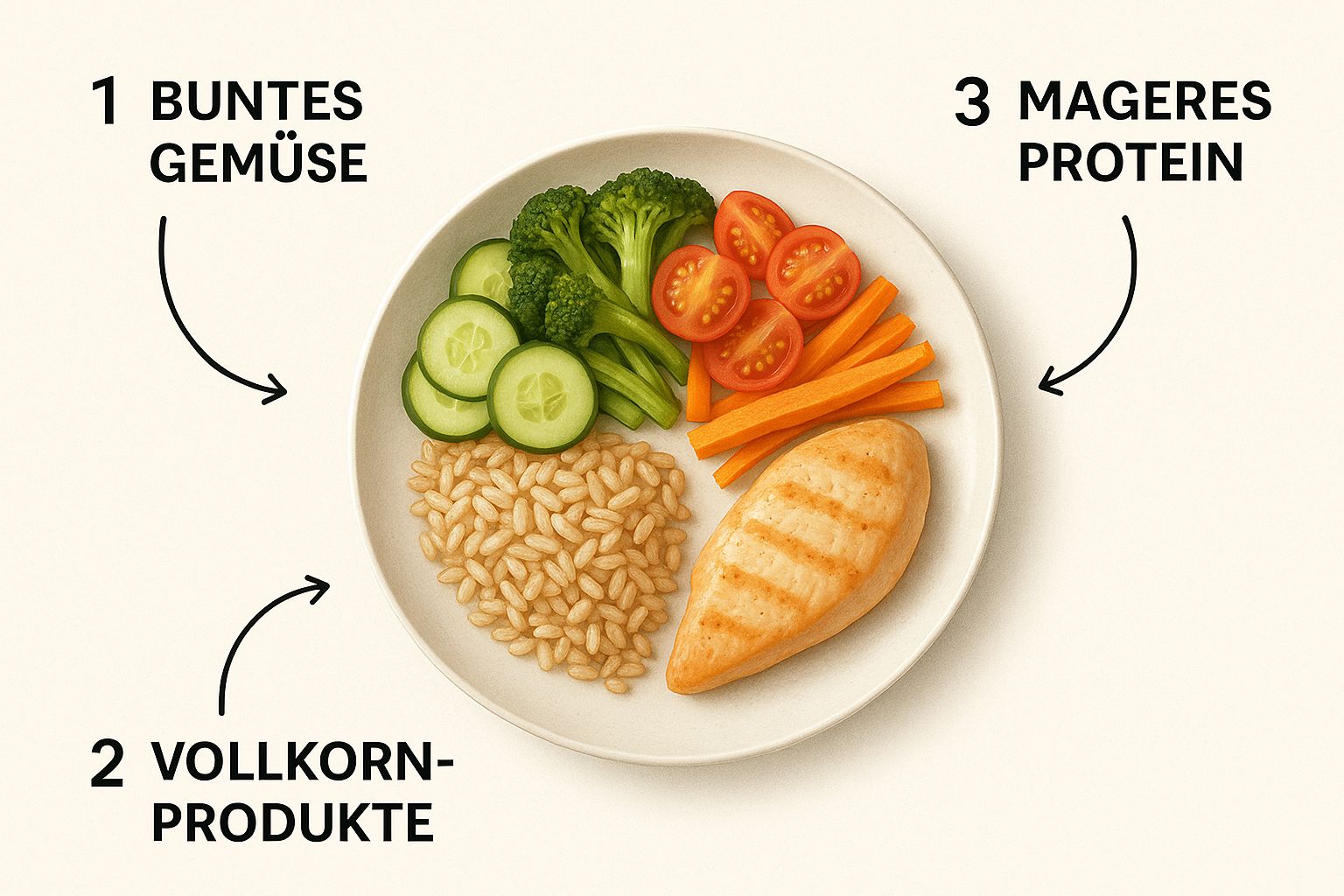
The image illustrates perfectly what it's all about: it's not about deprivation, but about cleverly filling your plate with the right nutrients in the appropriate portions.
How to implement your knowledge in everyday life
Let's take a very concrete example: lunch.
A protein type is perfectly nourished with a large salad with chicken breast, avocado, and a handful of nuts. Such a meal keeps them full for hours and provides constant energy. A large portion of pasta, on the other hand, would make them tired and quickly hungry again.
The carbohydrate type, however, benefits much more from a bowl of quinoa with plenty of colorful vegetables and a small piece of salmon. This combination gives them the perfect energy boost for the afternoon without weighing them down.
When you know your type, you make such decisions consciously every day. You learn to put your meals together in a way that truly nourishes you, boosts your fat burning, and prevents cravings from even arising.
Do you want to delve deeper into the topic? In our article, we show you in more detail how to determine your metabolic type. This personal path is the most sustainable way not only to successfully lose weight but also to maintain your feel-good weight permanently.
Find movement that you truly enjoy

Hand on heart: Rigid diet plans that dictate precisely what goes on your plate, down to the minute, are usually doomed to fail. They simply don't fit into real life, often don't taste good, and ignore your personal needs. Successful weight loss only works if your path doesn't feel like a punishment, but rather integrates naturally into your daily life.
If you know your metabolic type, you have a huge advantage. You finally know which nutrients your body converts best into energy and which are more likely to end up on your hips. So, instead of blindly counting calories, you can put together a plan that truly makes you feel full, satisfied, and energetic. It's about making conscious decisions – not just following rules.
The foundation: A gentle calorie deficit
To lose fat, the equation is simple: you need to consume less energy than your body expends. This principle is called a calorie deficit. The crucial point here, however, is the word "gentle." Many crash diets rely on a brutal deficit that ultimately leaves you hungry, tired, and in a bad mood.
Too large a deficit practically screams "famine!" to your body. It immediately switches to austerity mode, slows down your metabolism, and starts breaking down valuable muscle mass to conserve energy. This is the exact opposite of what you need for sustainable success.
Aim for a moderate deficit of about 300 to 500 calories per day. This is completely sufficient to steadily lose fat (approximately 0.5 kg per week) without your body going into panic mode.
This ensures that you primarily lose fat while still having enough energy for work, family, and hobbies.
The art of building meals that truly satisfy
No one sticks to a diet where their stomach is constantly growling. The key to mastering your calorie deficit without suffering is therefore in cleverly composing your meals. It's about choosing foods that keep you full for a long time and provide you with everything your body needs.
The three most important building blocks for such a meal are:
- Proteins: They are the undisputed champion when it comes to satiety. Proteins require more energy during digestion and protect your muscles from breakdown. Lean meat, fish, eggs, quark, or legumes are your best friends here.
- Fiber: These helpers swell in the stomach, slow down digestion, and keep your blood sugar levels stable – this prevents cravings. You can find them in whole grains, vegetables, fruits, and flaxseeds.
- Healthy fats: Fats are vital for many bodily functions and also provide a pleasant feeling of fullness. Avocados, nuts, seeds, and high-quality oils definitely belong in your plan.
If you combine these three components in a meal, you will stay full and satisfied for hours.
How to eat according to your type in everyday life
But what does that look like in practice? Here are a few simple examples that show you how delicious and uncomplicated a diet that suits your metabolic type can be.
Example for the Protein Type:
- Breakfast: Scrambled eggs with a handful of spinach and half an avocado.
- Lunch: A large, colorful salad with grilled chicken breast and a light olive oil dressing.
- Dinner: Pan-fried salmon fillet with steamed broccoli and a dollop of herb quark.
Example for the Carbohydrate Type:
- Breakfast: A bowl of oatmeal with fresh berries and a spoon of chia seeds.
- Lunch: A quinoa bowl with chickpeas, plenty of crunchy vegetables, and a yogurt-herb dressing.
- Dinner: Whole wheat pasta with a vegetarian lentil bolognese and a small side salad.
As you can see: It's not about deprivation, but about choosing the right foods for your body.
How BODY'S PERFECT can smartly support you
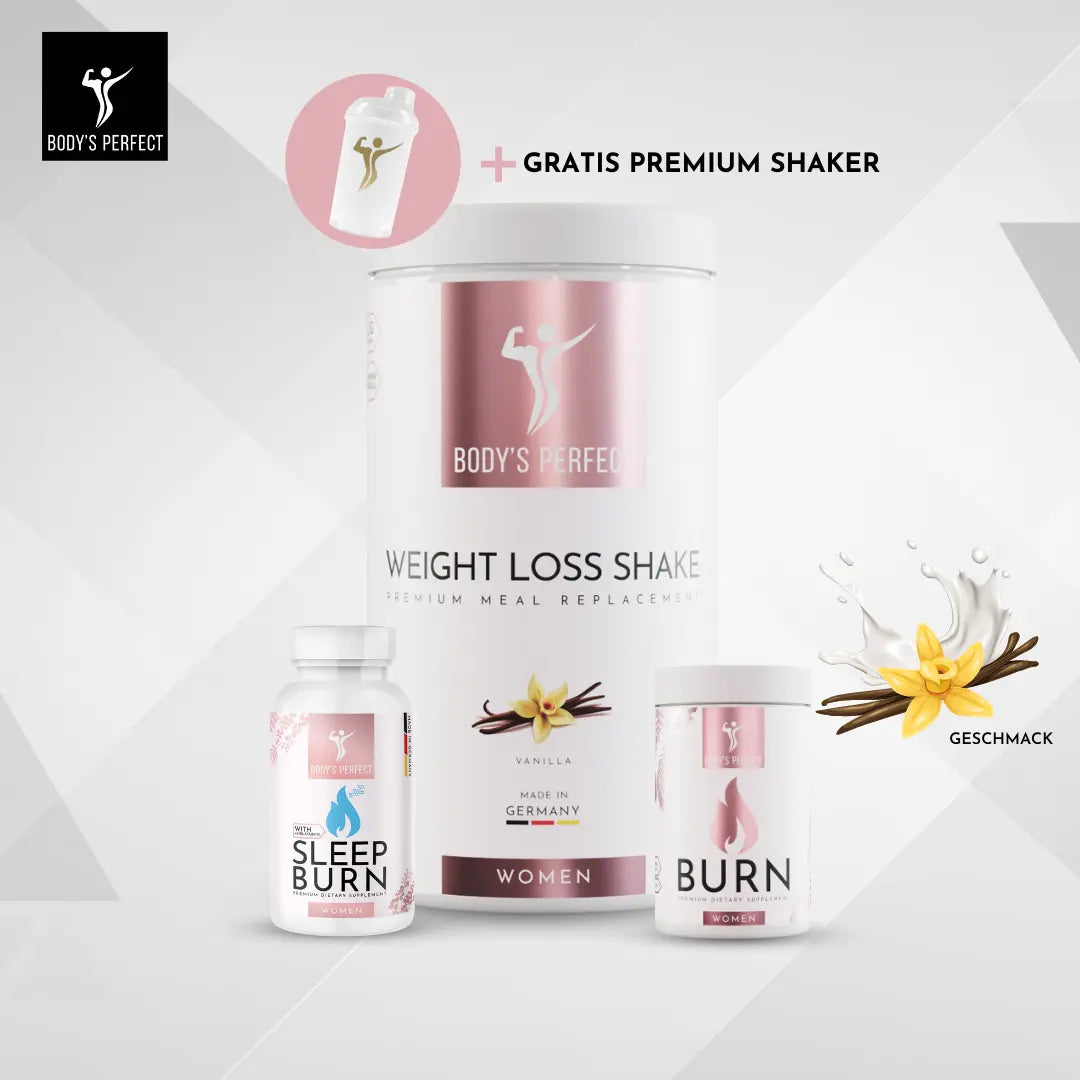
Sometimes everyday life is simply hectic, and you need a smart shortcut to stay on track. This is exactly where BODY'S PERFECT products can specifically support you. They are not miracle cures, but well-thought-out aids that perfectly complement your diet plan.
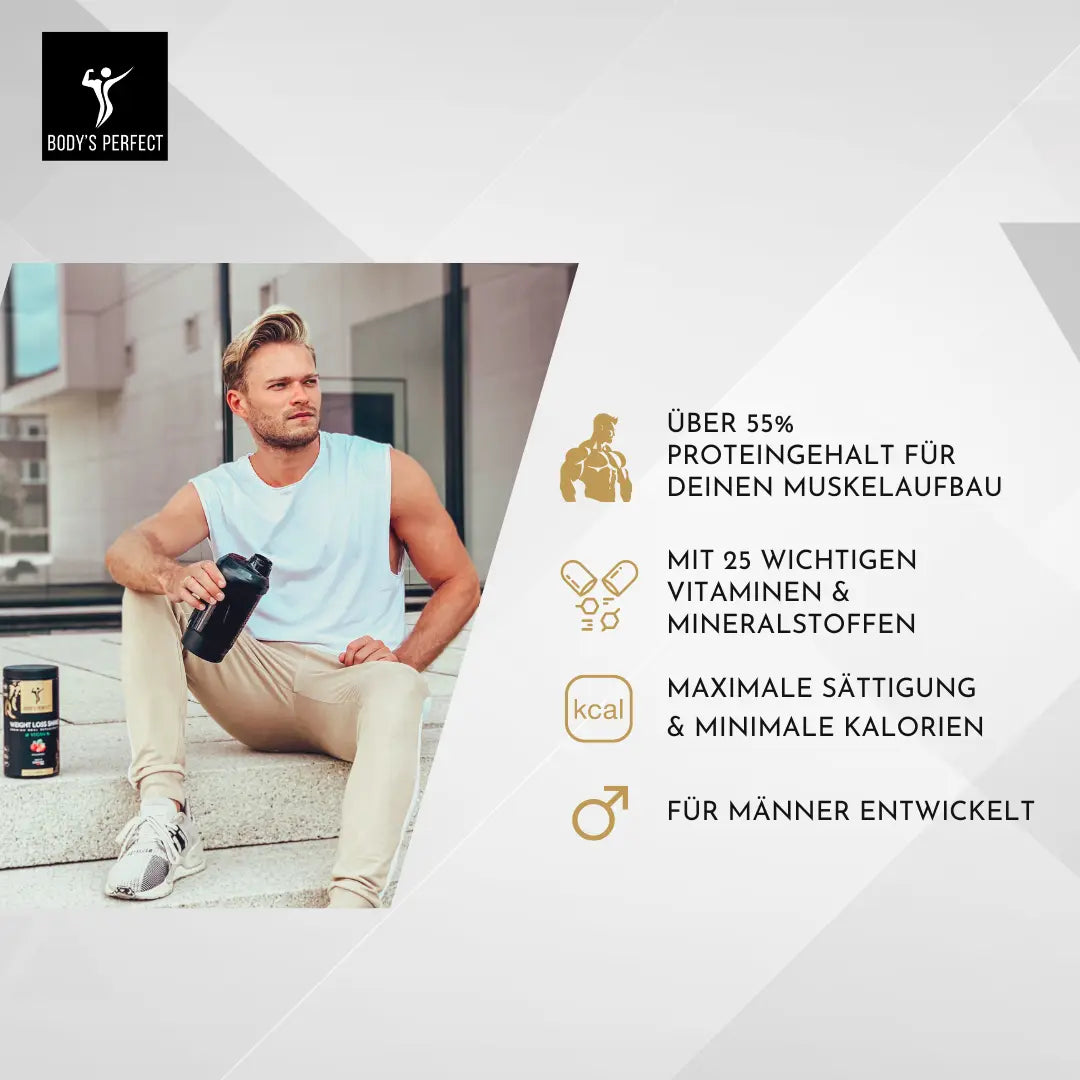
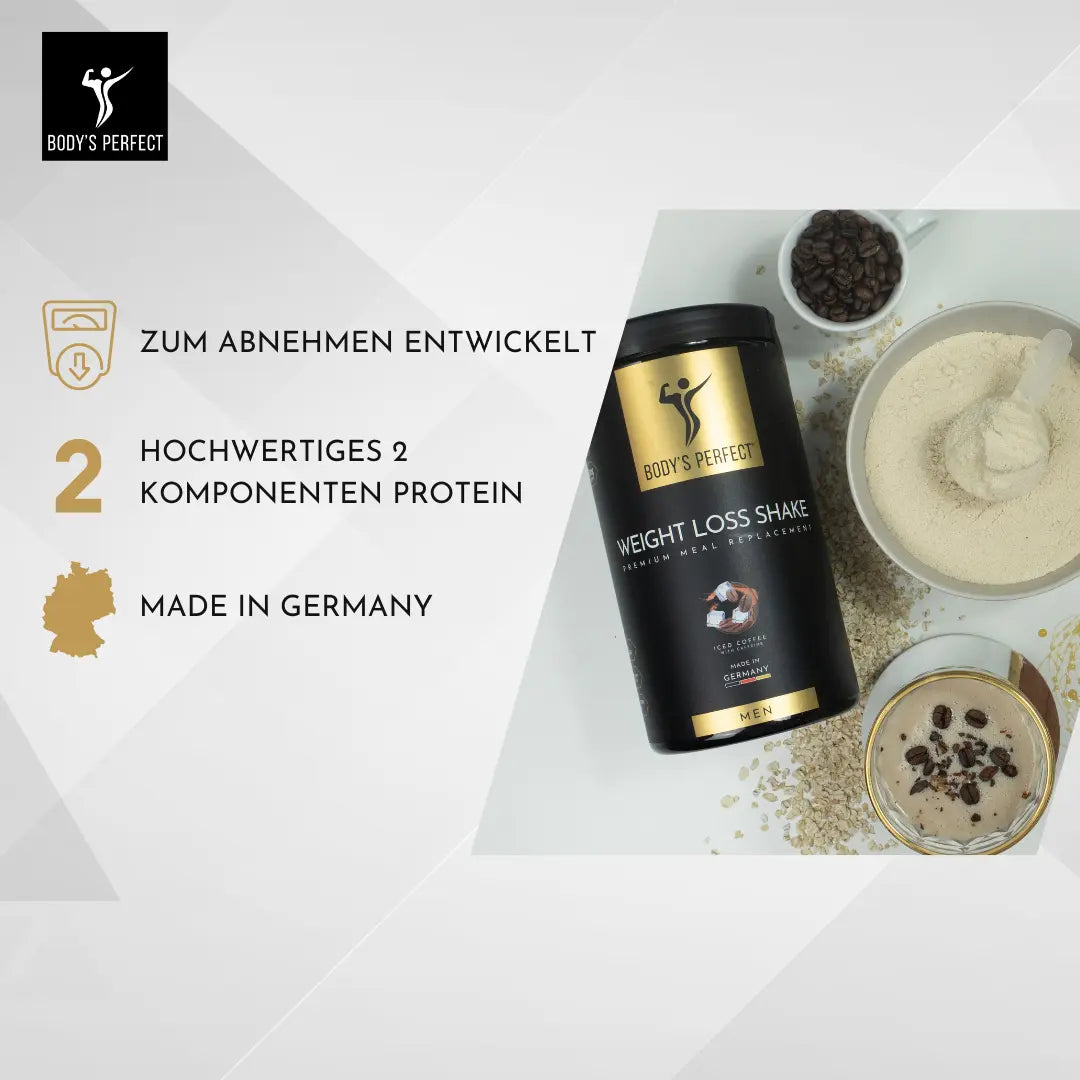
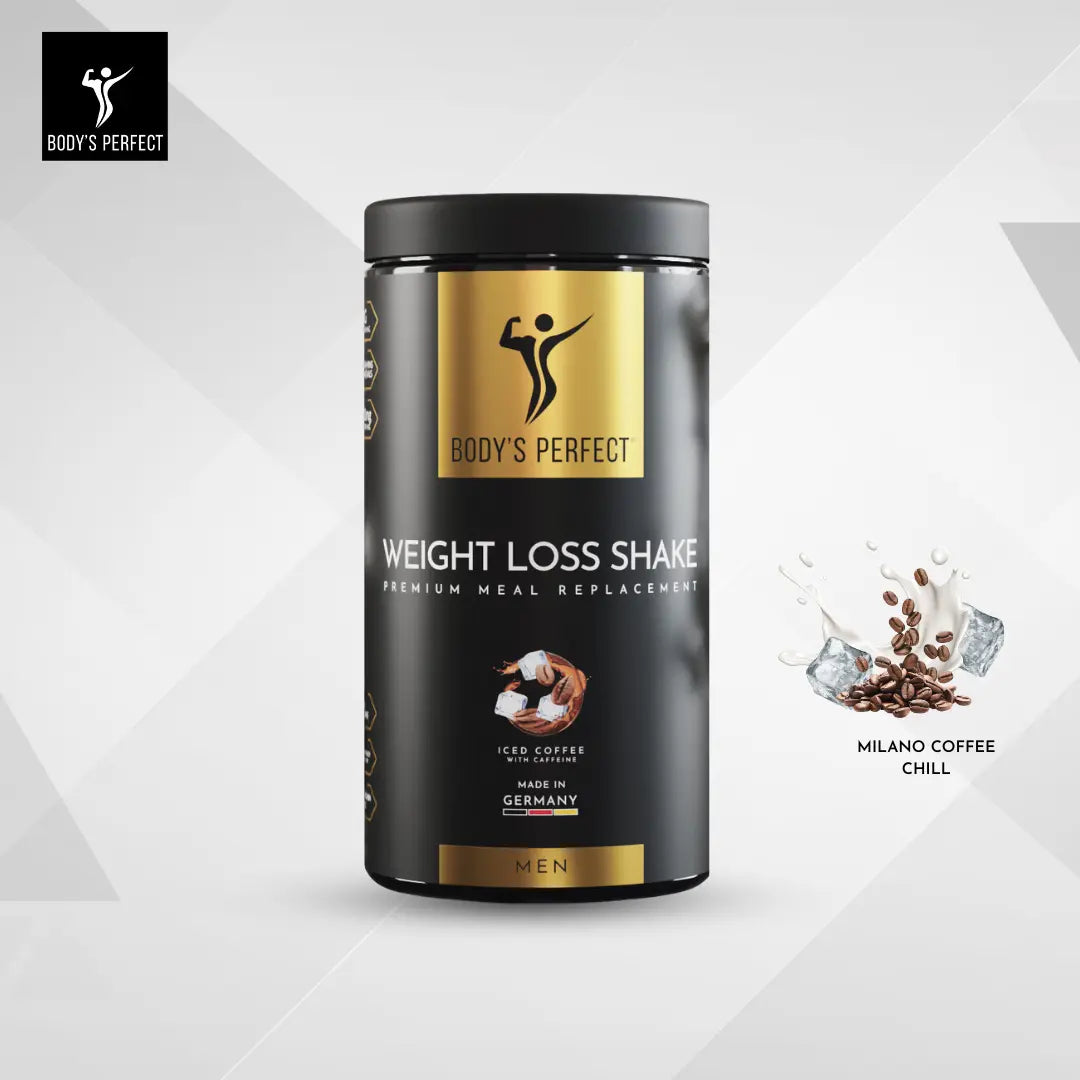
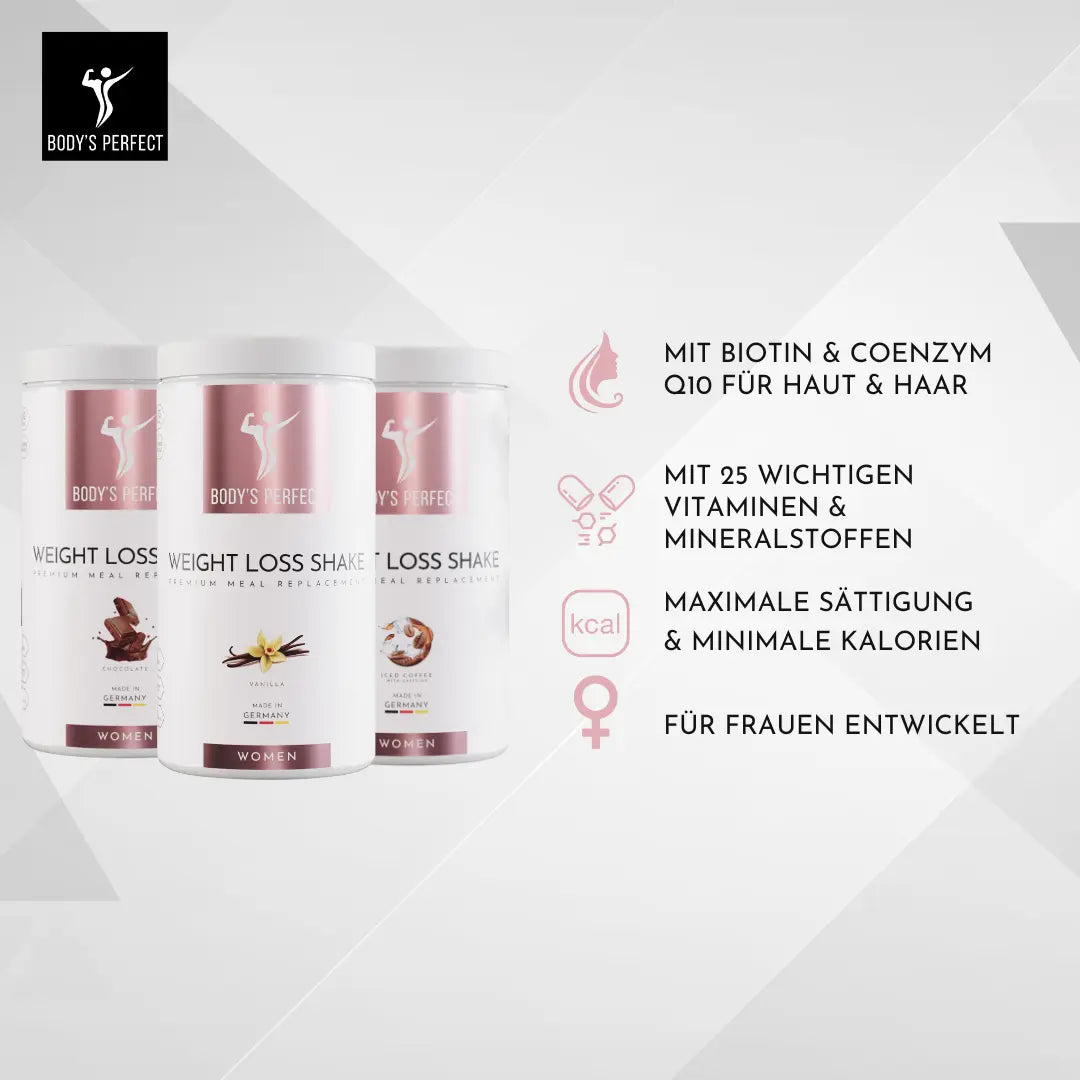
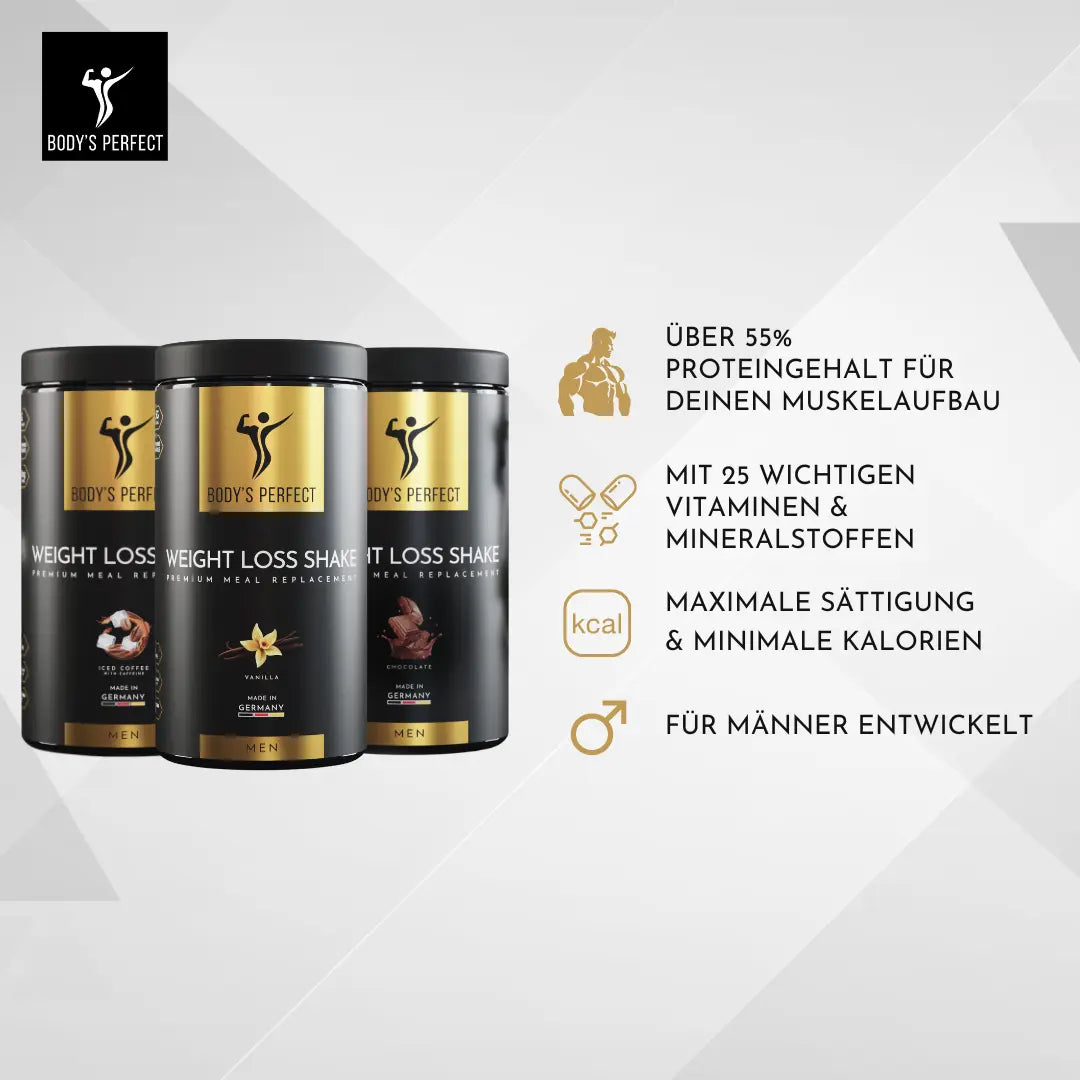
Think about the classic afternoon slump. The chocolate bar from the vending machine is tempting, but you know it will only give you a short boost and sabotage your goals. A BODY'S PERFECT protein shake, ready in a minute, is a much smarter alternative here. It provides you with high-quality protein that keeps you full until dinner and nips sweet cravings in the bud. If you want to know more about how a protein-rich diet helps with weight loss, read our 5 tips for 2025 here.
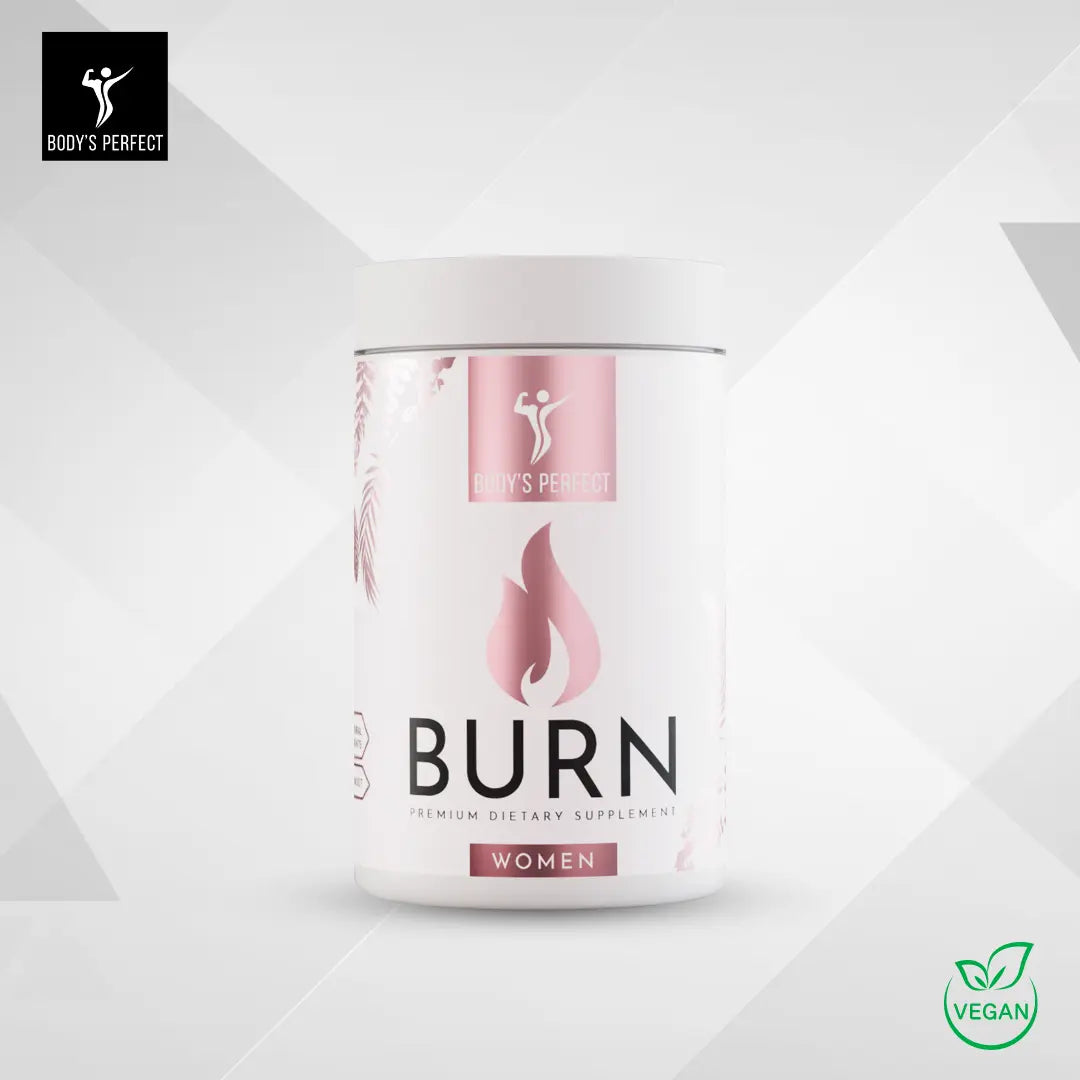
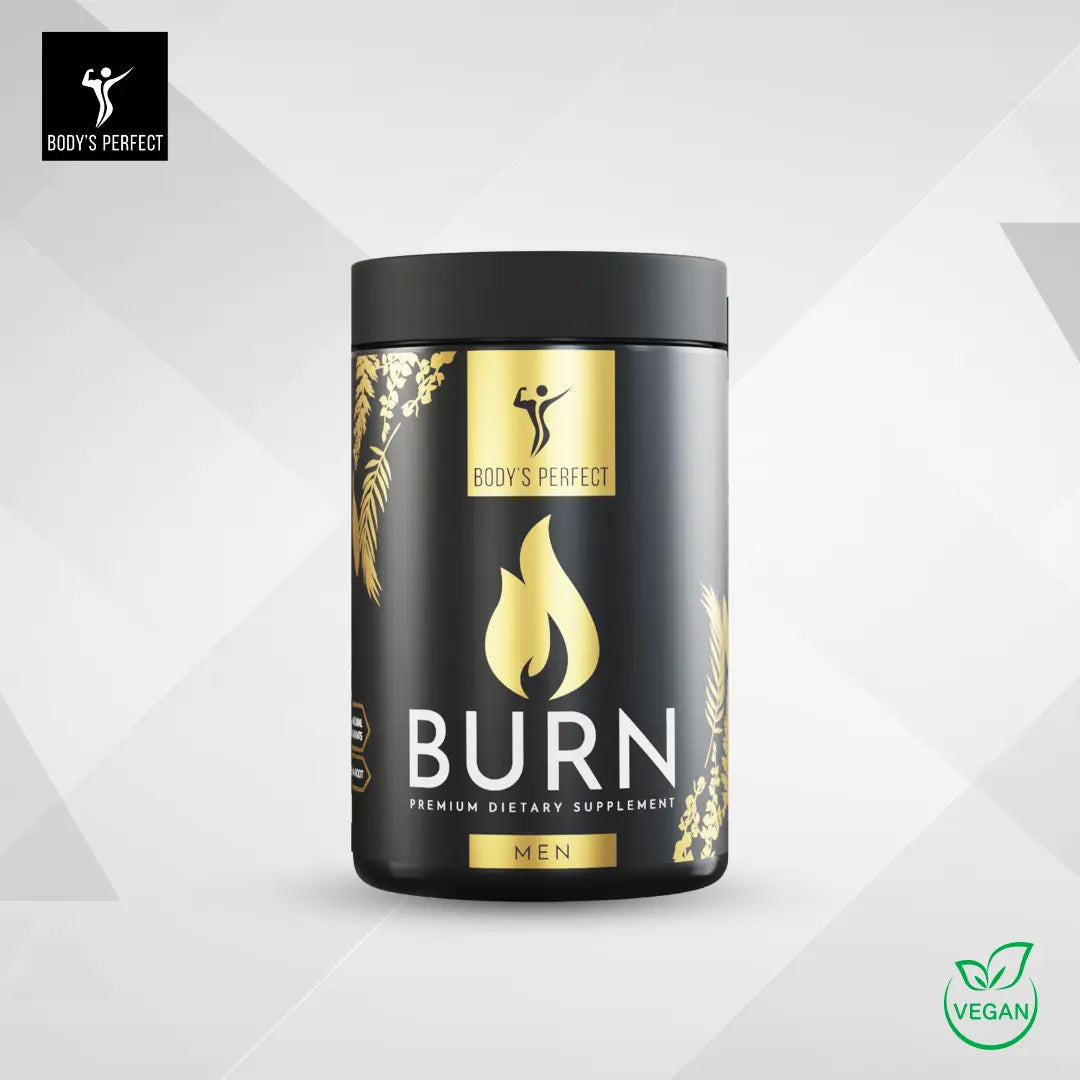
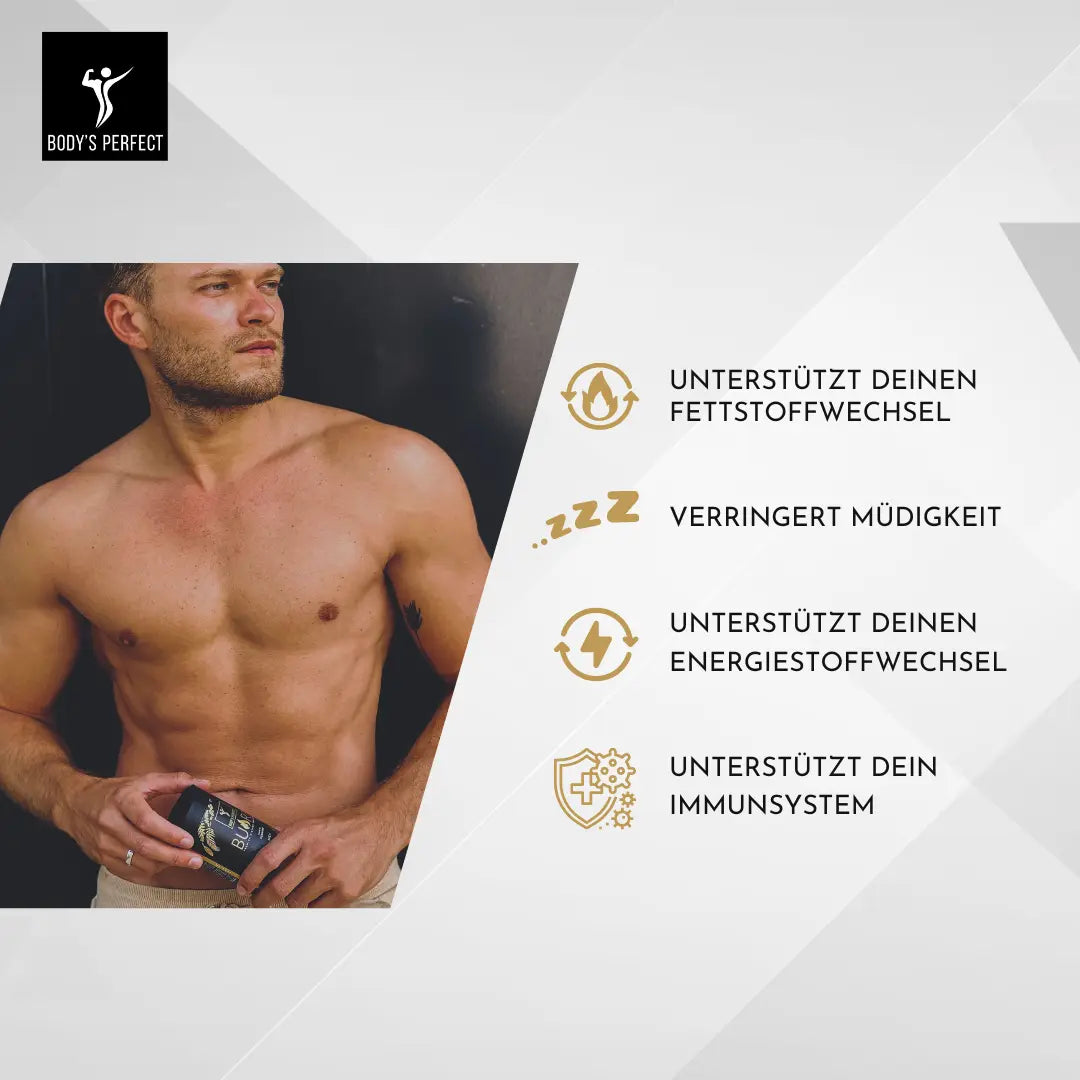
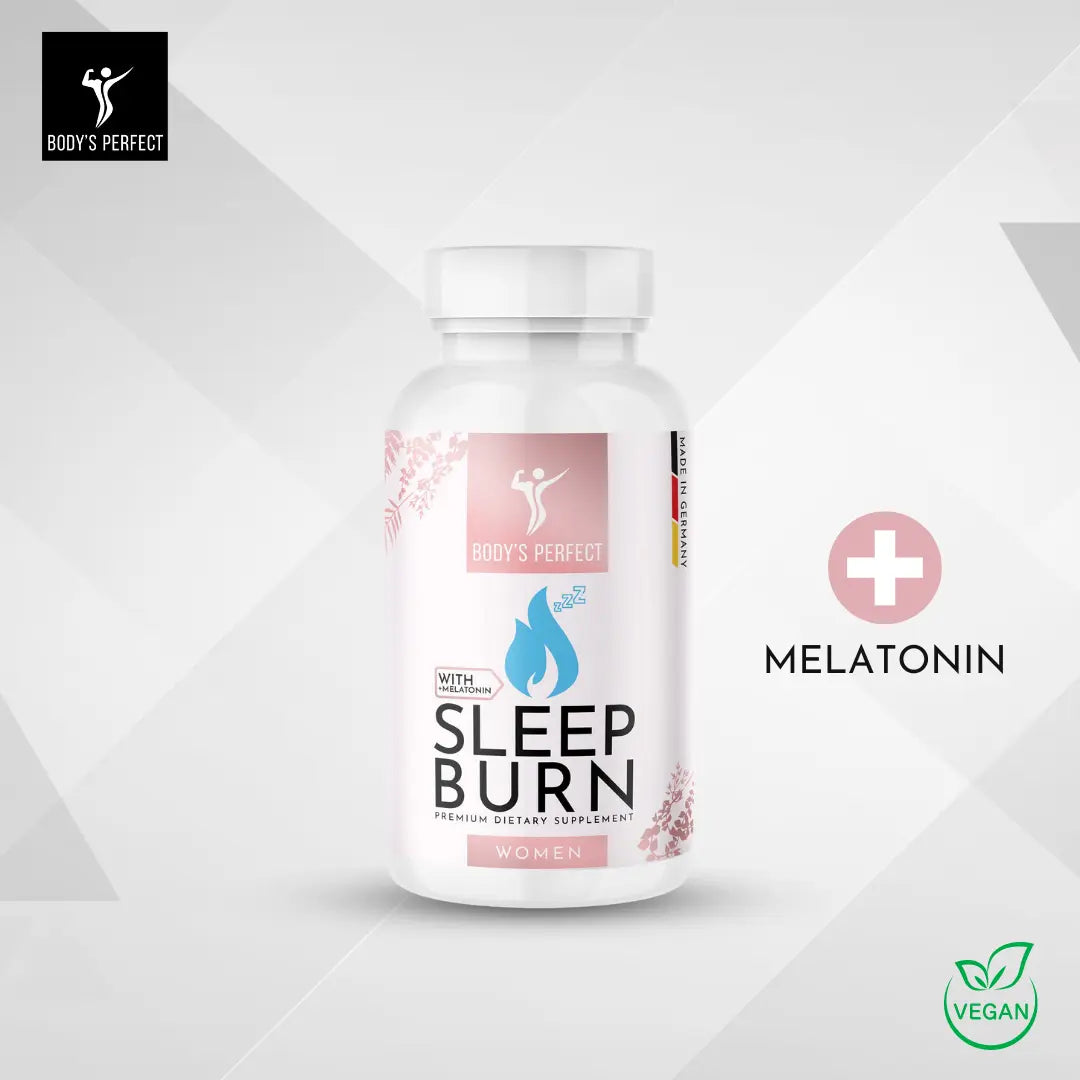
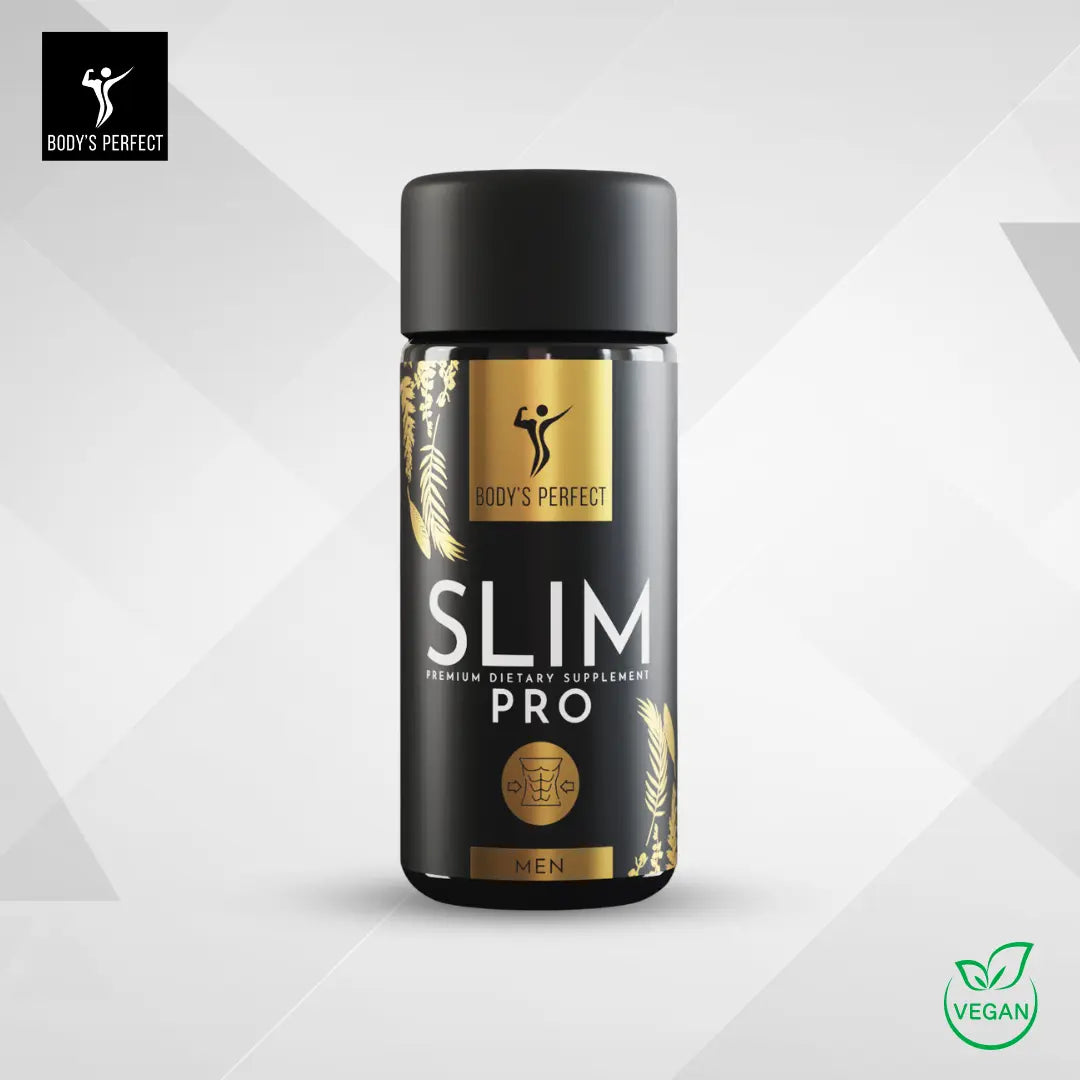
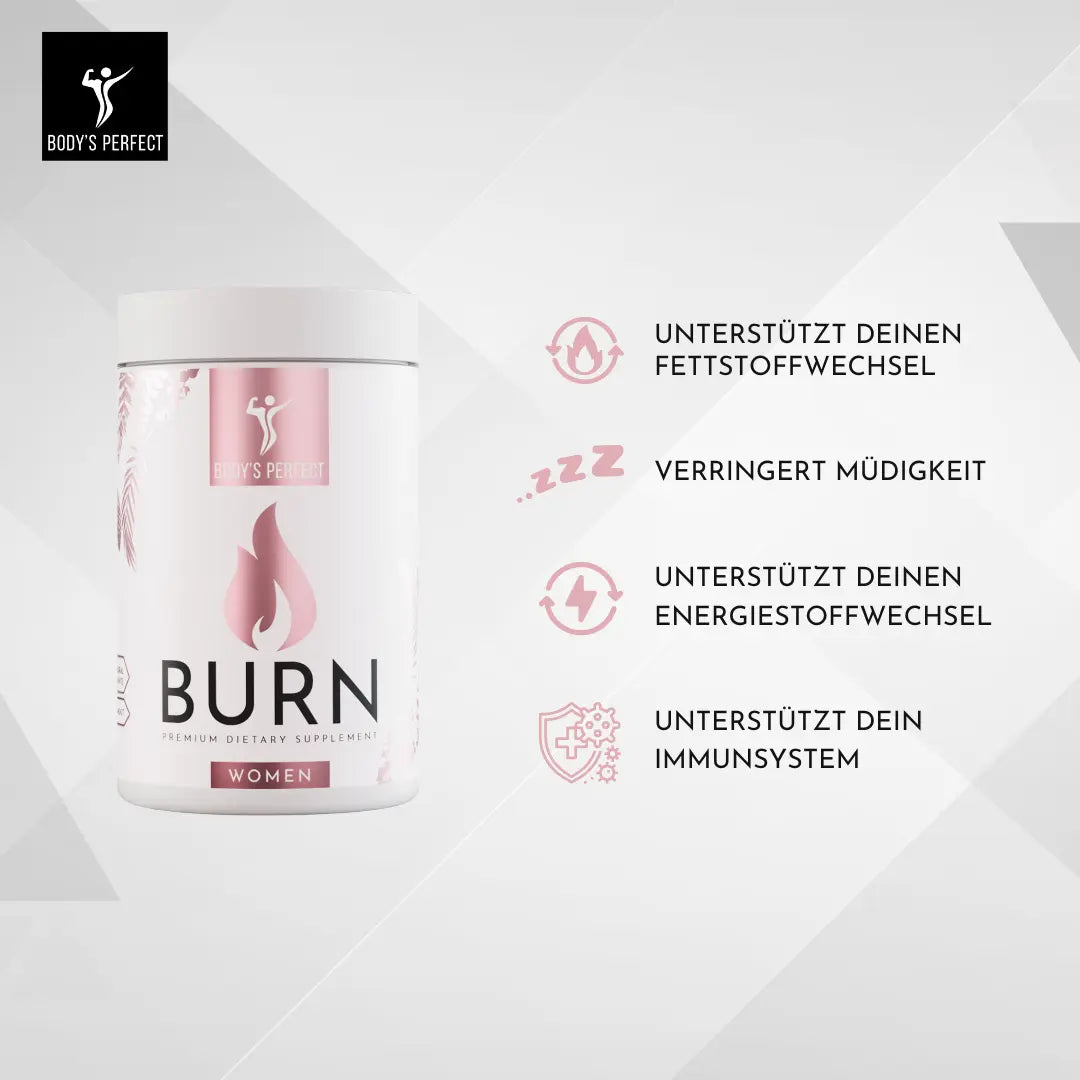
Or you feel like your fat burning could use a little boost. A metabolic booster like BODY'S PERFECT BURN capsules can be a useful supplement here, for example, before exercise. The natural ingredients can stimulate your energy consumption and help you get the most out of your training.
Just view these products as useful tools in your toolkit. They help you consistently implement your personal plan and make the path to your goal easier and more enjoyable.
Find movement that you truly enjoy
Just the thought of hours of sweating on the treadmill makes you lose interest? You're not alone. Many still believe that successful weight loss only works with torment. The good news: That's nonsense. The key to a routine you'll actually stick to is finding an activity you enjoy – something that doesn't feel like a chore.
Movement is so much more than pure calorie burning. It's your outlet for stress, a real mood booster, and gives you the energy you need for everyday life. It's about feeling your body again. Maybe it's dancing in the living room, a bike ride through the forest, or just a brisk walk during your lunch break.
The unbeatable mix of cardio and strength
To truly achieve your goals effectively, the combination of endurance and strength training is simply ideal. Both forms of training have their own strengths, which perfectly complement and reinforce each other.
Endurance training (cardio): Whether jogging, swimming, or cycling – here you really get your cardiovascular system going and burn a lot of calories. Cardio strengthens your heart and improves your general fitness. The effect in everyday life? You won't get out of breath as quickly, whether climbing stairs or romping with the kids.
Strength training: Weight training, bodyweight exercises, or classes like Bodypump are no longer just for bodybuilders. With strength training, you build valuable muscle mass. And this is exactly where the game-changer for weight loss lies: muscles are your body's powerhouses. They burn energy even when you're lying on the couch, and thus permanently increase your basal metabolic rate.
Think of it this way: cardio is like your salary, which you get for active work. Strength training is like passive income that works for you around the clock. Both together simply make you metabolically stronger.
How to effortlessly integrate movement into your everyday life
You don't need an expensive gym membership or hours of free time to get active. Often, it's the small but consistent changes that have the greatest impact.
- Use your lunch break: A 20-minute walk in the fresh air not only stimulates digestion but also wonderfully clears your head.
- Focus on short sessions: Three brisk 10-minute home workouts – spread throughout the day – can be just as effective as half an hour at a stretch.
- Combine movement with fun: Meet friends for a walk instead of coffee. Or how about a new dance class you've always wanted to try?
- Get off earlier: Get off the bus or train one stop earlier and walk the rest of the way. This adds up faster than you think.
These small steps add up and make a huge difference without completely overturning your schedule.
Your Training, Your Metabolism
Did you know that your individual metabolic type also plays a role in sports? While a carbohydrate type often benefits from longer endurance units, a protein type usually achieves faster results with intensive strength training. The results of your DNA analysis from BODY'S PERFECT can also give you valuable hints here as to what kind of movement best boosts your fat burning.
No matter how you train: recovery is crucial. To support muscle building and keep muscle soreness at bay, amino acids like BODY'S PERFECT BCAA Capsules are a great supplement. They supply your muscles with the most important building blocks immediately after training and help you to be fit again faster for the next round.
The importance of an active life goes far beyond appearance. According to the German Obesity Society, around two-thirds of men (67%) and half of women (53%) in Germany are overweight. Obesity is associated with over 250 secondary diseases. These figures show how important exercise and a conscious diet are for our overall health. You can find more about this important topic at the German Pension Insurance.
Breaking Plateaus and Staying Motivated
Anyone who has ever tried to lose weight knows that frustrating moment: you give it your all, stick to your plan, but the scale just won't budge. This is the notorious weight loss plateau. And I can reassure you: this is absolutely normal.
Your body is clever. It adapts to the new situation, i.e. to the lower calorie intake and more exercise. It finds a new balance. On the one hand, this is a great sign, because it shows that your previous efforts have paid off! On the other hand, this is exactly the point where many lose motivation and throw in the towel. That's exactly what we want to prevent. With the right tricks, you will not only overcome this plateau, but also emerge stronger.
Why your scale suddenly stops moving
Your body is a master of adaptation. When you lose weight, not only fat melts away, but often a little muscle mass at first. But muscles are your best friends in the fight against excess pounds, because they burn more calories than fat even at rest. Less muscle mass therefore leads to a slightly slowed metabolism.
At the same time, your body becomes more efficient with every pound lost. It simply needs less energy to move than it did at the beginning of your journey. These two factors can lead to your original calorie deficit suddenly no longer being one. And then weight loss stagnates.
A plateau is not a failure. It's just your body's signal that it's time for a small course correction to ignite the next stage.
So it's time to set new impulses and show your body that the journey continues.
Strategies to end the standstill
When the scale stagnates, action is required – but please with a clear head. Small, targeted adjustments are often much more effective than radical changes that only stress you out even more.
Here are some proven practical methods:
- Check your calories: Your needs have changed. Recalculate your current calorie needs and adjust your deficit slightly. Often, just 100-200 calories less per day are enough to get the engine running again.
- Vary your training: Always the same jogging route? Then it's time for something new! Integrate strength training to build valuable muscles. Or try a short HIIT workout (High-Intensity Interval Training) to really boost your metabolism.
- Take a refeed day: Sounds strange at first, but it can work wonders. One day a week, you consciously eat more calories, preferably from complex carbohydrates. This can boost your metabolism again and stimulate the production of important fat-burning hormones. If you want to know more about how to lose weight effectively and quickly, check out our guide.
- Increase your protein intake: Protein is a real hero for weight loss. It keeps you full for a long time and protects your muscles. An additional BODY'S PERFECT Protein Shake is a simple and delicious solution to ensure that your body gets enough of it.
Your mental strength is key
At least as important as the adjustments to diet and exercise is your inner attitude. A plateau or a slip-up does not mean the end of your journey – unless you decide it does.
Be lenient with yourself. Nobody is perfect. Instead of condemning yourself for a "misstep", briefly analyze why it happened, and immediately look forward again. A small success diary can be worth its weight in gold during such phases. Not only note the number on the scale, but also other progress: more energy, better-fitting clothes, the feeling of being fitter.
Celebrate the small victories and keep reminding yourself how far you've come. Successful weight loss is a journey with many small steps, and every plateau is just another level you will master.
Done! And how to keep your new weight forever
First of all: Congratulations! You have reached your goal, and that is a huge success. Pat yourself on the back, because you have achieved something great. The real challenge, and many know this from experience, begins now – maintaining your new feel-good weight. Don't worry, it's not magic. It's just about making your new, healthier lifestyle your new normal.
The most common mistake? Going back to eating as before overnight. That's the most direct way to the yo-yo effect. Instead, we end the calorie deficit in a controlled manner. Slowly increase your daily calorie intake, week by week, by about 100 to 150 calories. This gives your metabolism a chance to adapt and doesn't run your system into the ground. You do this until you have reached your personal maintenance calories.
Make your new routines automatic
The key to lasting success is simply maintaining the good habits you've built up. It's no longer about strict discipline, but about a smart, flexible balance that fits into your life.
- Proteins remain your anchor: Protein is not just for losing weight. It still keeps you wonderfully full and protects your muscles. So continue to make sure that every meal contains a good source of protein.
- Exercise is now your hobby, not a must: You no longer have to exercise to burn calories. See movement as something that gives you energy and makes you feel good. Find what you enjoy and just stick with it.
- Your body feeling is your best compass: In recent weeks, you have learned to distinguish true hunger from mere appetite. You retain this valuable knowledge. Eat when you are hungry, and stop when you are pleasantly full. It's that simple.
It's not about being perfect. It's about staying consistent. A dinner with friends or a piece of cake at a birthday won't throw you off track. The important thing is that you get back to your usual routine the next day.
Stay calm when the scale acts up
Your weight is not a fixed number, it fluctuates. This is completely normal. One to two kilos more or less can depend on water retention, your cycle, or simply the content of your stomach. So please don't let the daily number on the scale drive you crazy. What counts is the long-term trend over weeks and months.
Special occasions are no reason for stress either. Enjoy your meal at the restaurant or the family celebration consciously. You know how it works now: Maybe you eat something lighter the day before or go for an extra long walk the next day. You can find many more everyday tips in our guide on losing weight without starving.
The huge market for diet products in Germany shows how many people are looking for a solution. According to a 2025 survey, millions are actively looking for support, using fitness apps, and reaching for calorie-reduced foods. The problem: many fall back into the diet cycle again and again. By understanding this path as a permanent change in your lifestyle, you break out of this cycle. This is the true key to securing your success in the long term.
Frequently Asked Questions about Weight Loss
When losing weight, questions always arise. That's a good thing, because it shows that you are really dealing with your body and your goal. To relieve you of some uncertainties, I have summarized the answers to the most frequently asked questions for you here.
How much can I lose healthily per week?
A good and, above all, realistic pace is 0.5 to 1 kilogram per week. If the scale suddenly shows much more, it's often just water or, in the worst case, even muscle mass – and we want to keep that.
Losing weight too quickly puts your body into a kind of alarm state, which massively increases the risk of the notorious yo-yo effect. See it more as a marathon, not a sprint. Patience is really the key to long-term successful weight loss here.
Do I have to completely cut out carbohydrates?
No, absolutely not! That's one of the most persistent myths there is. Your body, and especially your brain, need carbohydrates as fuel. It's not about completely eliminating them, but about choosing the right ones and adjusting the amount to your personal needs.
- Quality instead of abstinence: Choose complex carbohydrates from whole grains, legumes, or vegetables. They keep you full longer and give you energy.
- Finding the right amount: Your DNA analysis is a great tool here. It tells you how your metabolism handles carbohydrates.
Complete abstinence is neither necessary nor sustainable for most people.
The trick is a balanced diet that suits you – without rigid prohibitions. Anyone who forbids everything only gets cravings. A flexible approach keeps motivation high.
What do I do if I have "sinned"?
It happens. We are all only human and a slip-up is absolutely not the end of the world, and certainly no reason to throw in the towel. Don't be so hard on yourself! Guilt is the biggest enemy of your motivation.
Instead, briefly look at why it happened: Were you stressed? Bored? Or was it just enjoyment? Learn from it for the future and simply continue as normal with your next meal. A single "slip-up" does not undo weeks of good work. The important thing is that you get back up and continue on your way.
Are you ready to find the path that really suits you? At BODY'S PERFECT, we help you with scientifically sound DNA tests and high-quality products that are precisely tailored to your needs. Discover what's inside you now at https://bodysperfect.com.












Share:
L-Arginine and its Effects in Women: What You Should Know
Protein & Weight Loss for Women: Your Path to Sustainable Success